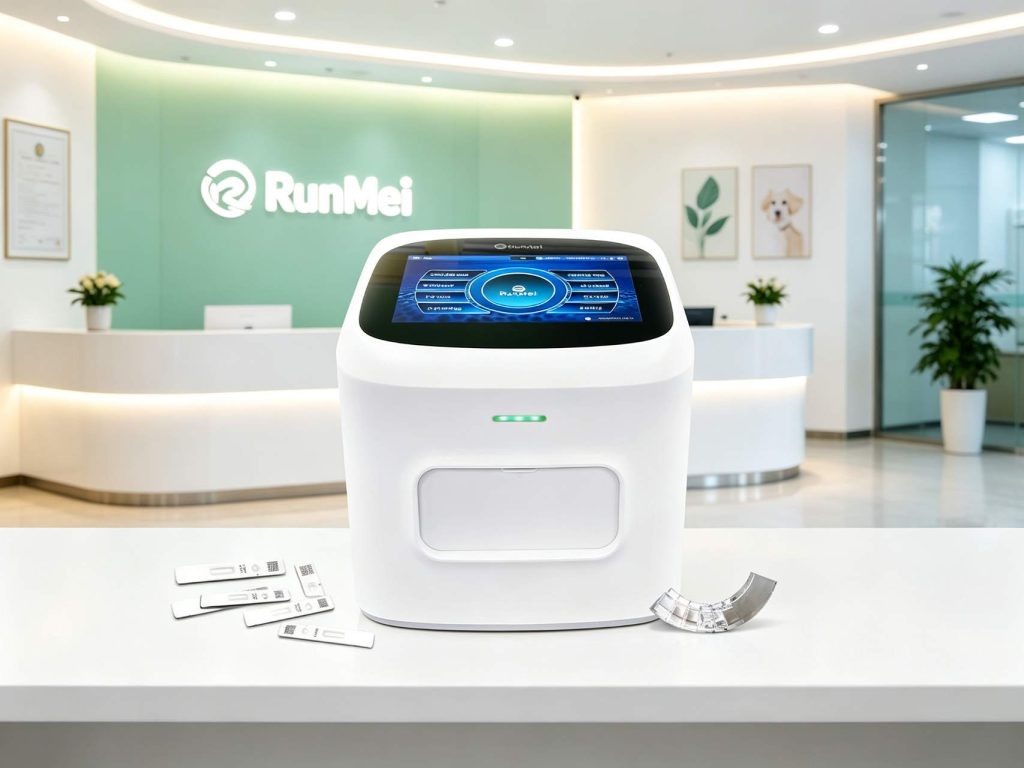
Here is a claim most equipment vendors hope you never hear: the reagent-free blood analyzer is quietly making the traditional wet-chemistry CBC machine obsolete in small and mid-sized settings. No reagent orders, no cold-chain, no running out of stock at the worst moment. It is a genuine step-change, not a marketing gimmick, and it deserves a serious look from any lab weighing its next investment.
What “no liquid system” actually means
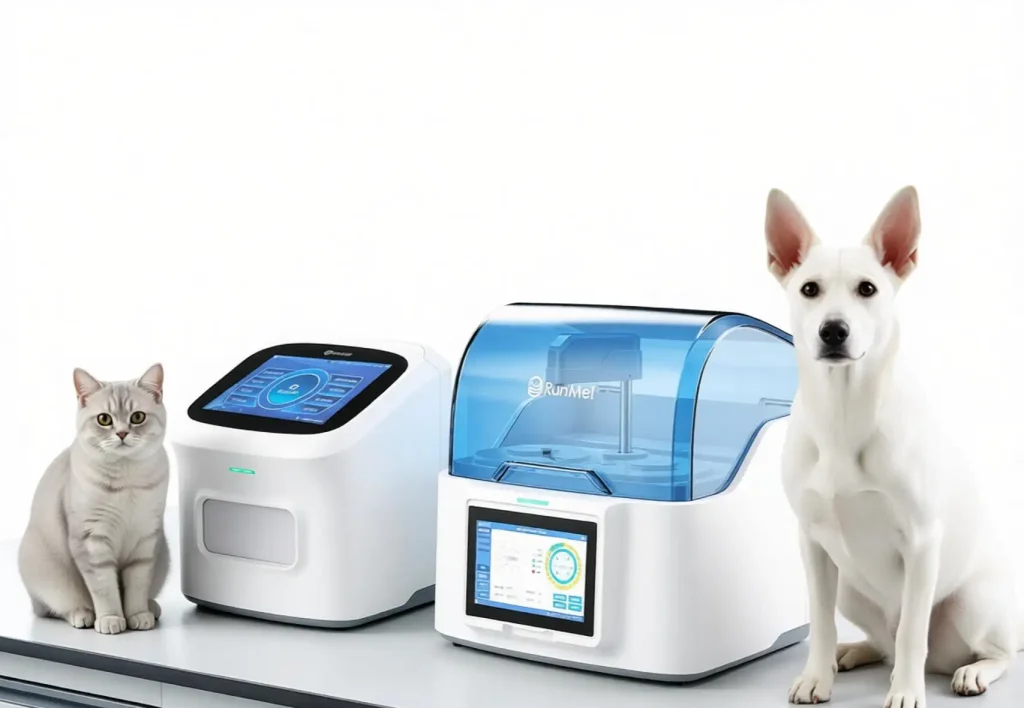
Conventional analyzers rely on proprietary reagent fluids that must be bought, shipped cold, stored, monitored, and eventually disposed as waste. Each of those steps adds cost and a failure point. A No-Liquid system removes the liquid consumables almost entirely, which slashes per-test cost, eliminates calibration-reagent fuss, and shrinks the maintenance burden to near-nothing. For clinics this is transformative, and it is exactly the kind of design a البيطري محلل or human unit can rely on day after day without babysitting consumables.
AI imaging and the changing role of the lab
The other quiet revolution is AI-assisted cell imaging. Rather than forcing a technologist to manually review endless slides, a modern analyzer images cells, flags anomalies, and 5-part differentials the CBC automatically. This is not replacing judgment — it is removing the repetitive work so skilled staff focus on genuinely abnormal results. Combine this with multi-function capability, where hematology and immunoassay live on one instrument, and a small lab suddenly covers more ground than its headcount would suggest.
Pairing hematology with chemistry
For comprehensive diagnostics, blood cell counts rarely tell the whole story alone. Labs that consolidate their workhorse tests appreciate being able to add a compact biochemistry analyzer alongside their hematology platform, keeping the footprint small while widening the test menu.
Why cost and compliance finally favor new players
For years, a handful of incumbents dominated throughput, and buyers accepted high reagent margins. That has shifted. Competitive pricing, low MOQs from one piece, CE marking, ISO 13485 certification, regional protection for resellers, and multi-language interfaces now let smaller labs and distributors access lab-grade equipment. To track how this is playing out, the diagnostic equipment news feed is worth following. And because every market has its own rules, working with a responsive medical device OEM who navigates regulatory and customs paperwork with you is a real advantage, not a buzzword.
Where this leads
Lower cost, less maintenance, faster results, AI assistance, and easier compliance. The reagent-free analyzer is not a niche product anymore — it is the new baseline, and the labs adopting it now are the ones defining what efficient diagnostics look like next.