Meta Title (≤60 chars): Why Rural Clinics Need a Blood Analyzer: The Case for On-Site CBC
Meta Description (≤155 chars): Blood analyzers bring complete blood count testing to rural clinics, cutting wait times from days to minutes. See the clinical and economic case for on-site CBC.
Target Keywords: blood analyzer for rural clinics, complete blood count rural healthcare, hematology analyzer primary care, on-site CBC testing
By RunMei Health Editorial Team | Published: September 18, 2026 | Reading time: ~6 min
Here is a number that should stop every health planner mid-step: the World Health Organization estimates that 40% of children aged 6–59 months, 37% of pregnant women, and 30% of women of reproductive age worldwide are anaemic WHO data on the global burden of anaemia. Most of them live in rural communities. Behind those percentages are millions of patients whose first blood test happens days or weeks after they first feel unwell — if it happens at all. This article explains why a blood analyzer in a rural clinic is no longer a luxury, but the most cost-effective diagnostic upgrade most facilities will ever make. The complete blood count is not a luxury test for referral hospitals; it is the basic instrument of primary care, and in rural settings it carries a disproportionate share of the diagnostic load. Understanding exactly what a CBC changes — which decisions, which patients, which outcomes — is the foundation for every other question about equipment, staffing, and economics.
The Diagnostic Gap in Rural and Remote Healthcare
In urban hospitals, a complete blood count (CBC) is routine: the patient gives a sample in the morning and holds the report by lunch. In a rural clinic the same test usually means a long journey to a district laboratory, a night away from home, and a return visit for results. Studies from low- and middle-income countries consistently show that this distance is one of the strongest reasons patients delay care or abandon it altogether. The WHO Essential Diagnostics List was created to change exactly this pattern.
Primary health care is the foundation of universal health coverage, yet it is precisely the level where laboratory capacity is weakest. WHO defines primary health care as essential care made accessible at a cost the community can afford Without basic diagnostics, clinicians in these settings must treat on guesswork: a fever is “malaria”, fatigue is “weakness”, and anemia goes undiagnosed until it is severe. A blood analyzer converts that guesswork into evidence.
What Patients Lose When Testing Is Centralized
- Days of waiting: transport and lab queues add 3–7 days to a result that takes 60 seconds to produce.
- Lost samples: unrefrigerated transport degrades EDTA blood, forcing repeats or false reports.
- Missed visits: patients who cannot afford a second trip simply never collect their results.
- Silent progression: chronic anemia, infections, and blood disorders advance untreated between visits.
Each of these failures is a clinical event with consequences. A pregnant woman with severe anemia who delivers without a single hemoglobin check is at dramatically higher risk of hemorrhage and poor outcomes for her baby. A farmer with an untreated infection may lose weeks of income. The cost of the missing test is never zero — it is paid in outcomes.
What a Modern Blood Analyzer Brings to a Rural Clinic
A modern automatic blood analyzer measures the key parameters clinicians need for most common conditions: red blood cell count, hemoglobin, hematocrit, white blood cell count, platelets, and a differential. Instruments designed for low-resource settings add practical features that matter more than raw speed — small sample volumes, touch-screen operation, low reagent consumption, and compact footprints that fit a one-room laboratory.
The most important change is turnaround time. Instead of waiting days for a result, the clinician receives a complete blood count within minutes of the sample being drawn, in the same consultation. This single change alters how medicine is practised: treatment decisions are made with data, follow-up is meaningful, and patients leave with answers, not anxiety. Explore what to look for in a compact system on the BCA-330 automatic hematology analyzer product page and the BCA-320 portable multi-function analyzer.
Clinical and Economic Impact Beyond Convenience
On-site CBC testing changes clinical behavior in measurable ways. Clinicians test more, because testing is possible; they treat fewer syndromes blindly, because the white cell count and differential separate bacterial from viral and parasitic infections; and they refer fewer patients, because common conditions like iron-deficiency anemia can be diagnosed and managed locally. .
The economic case is equally strong. Outsourcing a CBC typically costs more per test than running it in-house, once transport, repeat visits, and lost revenue are counted. In facilities performing even ten CBCs a day, a well-chosen analyzer pays for itself within the first year. For budgeting guidance, our realistic hematology analyzer budgeting guide breaks down the full cost picture.
Overcoming the Old Objections
“We cannot afford it”, “we have no trained staff”, “it will break in a month” — these are the three objections that keep analyzers out of rural clinics. Modern instruments answer all three: entry-level models are priced for small facilities, operation is automated to the point where one technician can run hundreds of tests, and rugged designs tolerate heat, dust, and voltage fluctuation. The three buyer mistakes that turn analyzers into expensive paperweights is essential reading before any purchase decision.
None of this means every clinic should buy tomorrow. It means the question has changed. The right question is no longer “does a rural clinic deserve a blood analyzer?” but “which one fits this clinic’s patient load, staff, and budget?” — and the answer is now affordable for nearly every facility that wants one.
A Checklist Before You Buy
- Estimate your weekly CBC volume and peak-hour demand.
- Check power supply reliability and any need for battery or solar backup.
- Confirm reagent availability and cold-chain requirements in your region.
- Verify local service support, warranty, and training included in the price.
- Choose a model whose throughput matches volume — not one that is oversized for your lab.
The Clinical Scenarios That Add Up to a Daily Need
The rural clinic’s day is a parade of patients whose workup begins with the same question: is the blood normal? The farmer with persistent fatigue needs anemia excluded before he is told to rest. The febrile child needs the white cell count and platelet trend to guide malaria, dengue, and bacterial infection decisions. The pregnant woman at her first visit needs a baseline hemoglobin that will be tracked through every trimester. The diabetic patient on metformin needs periodic counts to catch the anemia that complicates chronic disease. Each scenario alone is modest; together they form a daily demand that referral simply cannot serve.
When these tests are referred, the patient pays in time, money, and lost care: a day of travel for a result that the clinic could have produced in fifteen minutes. The CBC’s value in rural practice is not measured per test; it is measured in the decisions that no longer wait, and the complications that no longer arrive.
The Results That Never Come Back
The silent cost of referral is not the travel — it is the result that never returns. Studies and program reports across low- and middle-income settings consistently document that a substantial share of referred laboratory tests are never collected: the patient could not afford the second trip, the laboratory was closed, the sample was lost, or the referral simply fell out of a life already crowded with obligations. The physician’s plan — written on the assumption of a result — quietly dies, and the patient continues untreated with a diagnosis that was one blood draw away.
On-site testing collapses this loss. When the analyzer is in the building, the result is in the file before the patient leaves, and the treatment decision is made in the same visit. This is the deepest argument for the rural CBC: not the cost of the test, but the cost of the test that never happens.

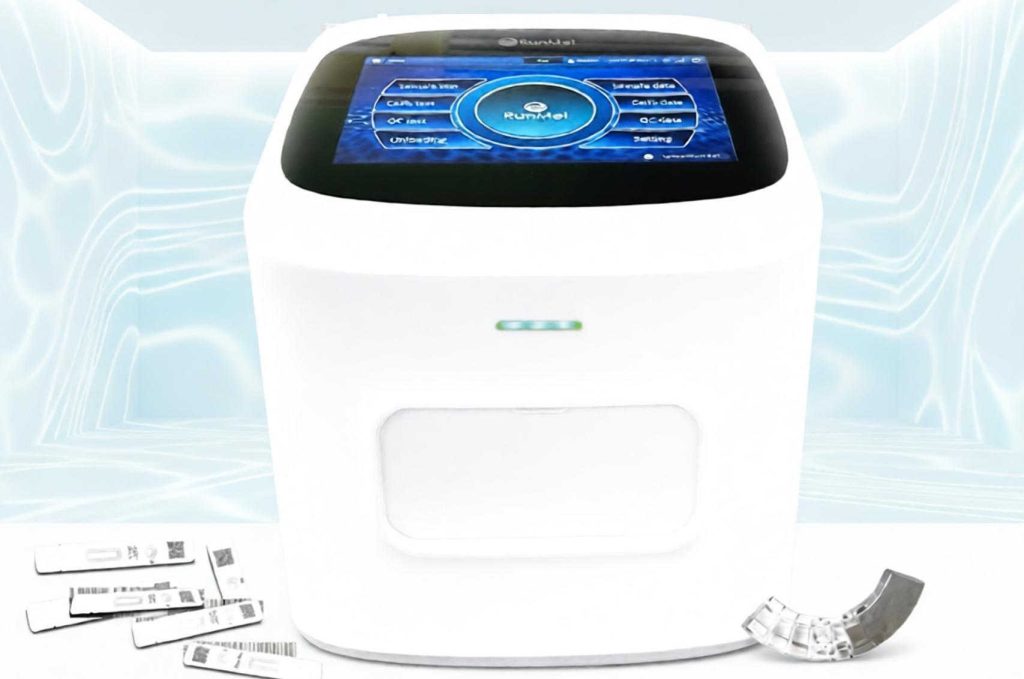
Figure 1: A compact automatic hematology blood analyzer brings laboratory-grade CBC testing to rural clinic settings.
| Recommended File Name | runmei-automatic-hematology-analyzer.jpg |
| Image Title | Automatic hematology blood analyzer for rural clinic laboratories |
| Alt Text (keyword-rich) | automatic hematology blood analyzer with touch screen operating in a rural clinic laboratory for complete blood count testing |
| Image Caption | A compact automatic hematology blood analyzer brings laboratory-grade CBC testing to rural clinic settings. |
| Structured Data | ImageObject JSON-LD embedded in Article schema (see Structured Data section) |
| Format / Size | JPEG, 1200×900, ~65-90 KB, lossless web-optimized |

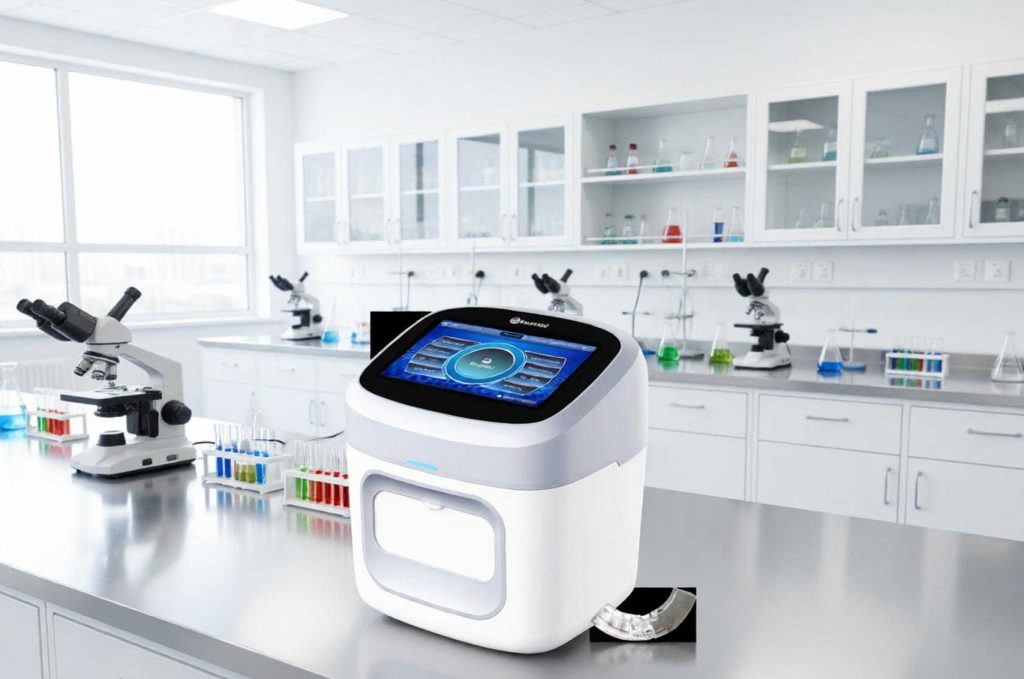
Figure 2: Portable blood analyzers extend complete blood count access to mobile outreach and small rural health posts.
| Recommended File Name | runmei-portable-multi-function-analyzer.jpg |
| Image Title | Portable blood analyzer for mobile rural health outreach |
| Alt Text (keyword-rich) | portable blood analyzer device on a clinic bench used for point of care blood testing in rural healthcare |
| Image Caption | Portable blood analyzers extend complete blood count access to mobile outreach and small rural health posts. |
| Structured Data | ImageObject JSON-LD embedded in Article schema (see Structured Data section) |
| Format / Size | JPEG, 1200×900, ~65-90 KB, lossless web-optimized |
The gap between rural and urban diagnostics is not a law of nature; it is a supply decision. Facilities that put a blood analyzer at the point of care change the trajectory of anemia, infection, and maternal risk in their communities — one sixty-second test at a time.
الأسئلة المتداولة
What is a blood analyzer used for in a rural clinic?
A blood analyzer performs a complete blood count (CBC), measuring red cells, hemoglobin, white cells, and platelets. In a rural clinic it supports diagnosis of anemia, infections, malaria, dengue, and bleeding disorders without sending samples to a distant laboratory.
How much does a complete blood count cost with an in-house blood analyzer?
In-house CBC testing usually costs less per test than outsourcing once transport, repeat patient visits, and lost revenue are counted. Many small clinics recover the analyzer investment within the first year at modest test volumes.
Do rural clinics need a trained laboratory technician to run a blood analyzer?
Modern automatic hematology analyzers are largely automated: sample in, results out. One staff member can be trained to operate and maintain the instrument in a few days, though basic quality-control habits are essential for reliable results.
How long does a CBC result take with a blood analyzer on site?
From sample collection to printed report, most automatic analyzers deliver a complete blood count in under two minutes. This replaces the multi-day turnaround typical of samples referred to district laboratories.
References and Sources
- Authoritative sources cited in this article:
[1] WHO data on the global burden of anaemia
[2] The WHO Essential Diagnostics List was created to change exactly this pattern
[3] WHO defines primary health care as essential care made accessible at a cost the community can afford
- Related RunMei Health resources referenced in this article:
[L1] BCA-330 automatic hematology analyzer product page
[L2] BCA-320 portable multi-function analyzer
[L3] realistic hematology analyzer budgeting guide
[L4] The three buyer mistakes that turn analyzers into expensive paperweights
Disclaimer
This article is provided for informational and educational purposes only and does not constitute medical advice, diagnosis, or treatment. Always consult a qualified healthcare professional for clinical decisions. Product names, performance figures, and regulatory statements are provided in good faith based on publicly available information and manufacturer documentation at the time of writing; verify current specifications, clearances, and country-specific registration status with the manufacturer or your local regulatory authority before purchase or use. Mention of any third-party organization (FDA, WHO, NEJM, and others) refers to their publicly published materials and does not imply endorsement of any product or company. RunMei Health is a manufacturer of in vitro diagnostic analyzers; information in this article may reference RunMei products and should be evaluated accordingly.
Body word count: 1301 words (target range 1000–1400) | Total including FAQ: 1491 words