Unstable electricity is one of the quietest killers of rural diagnostics. Battery-ready analyzers are changing what off-grid clinics can offer.
By Dr. Daniel Weiss, PhD (Biomedical Engineer) | Reviewed by Dr. Robert T. Malone, PhD, MLS(ASCP) (Senior Clinical Laboratory Scientist) | Published 2026-10-08 | Read time: ~7 minutes
Over the last decade, off-grid solar has moved from a novelty to a default across rural health systems, and compact medical devices have quietly followed. A solar powered hematology analyzer now lets an off-grid clinic run the same complete blood count a wired hospital takes for granted. This data-driven report looks at how power, device design and economics combine to make that possible.
Unstable electricity is one of the quietest killers of rural diagnostics. Before low-consumption analyzers, a clinic could draw blood, then lose the sample when the grid failed mid-run. Today’s battery-ready instruments are built to tolerate exactly that environment rather than collapse within it.
The headline is simple: off-grid clinics can run reliable CBCs on modest solar and battery budgets, provided they match the power system to the device’s real consumption rather than its brochure claims.
A Decade That Changed Rural Power
Across the past ten years, the cost of photovoltaic panels and lithium batteries has fallen sharply, while solar home and health-system installations have spread through rural electrification programs. A decade ago, powering a laboratory instrument off-grid was speculative; today it is routine in many districts.
From Lanterns to Loads
Clinics that once used solar only for lighting and phone charging now add refrigeration, pumps and diagnostic devices. The rising capacity of these systems is what makes a hematology analyzer feasible – it is just another manageable load, sized correctly rather than added on hope.
This shift matters because diagnostic devices are sensitive loads: abrupt power loss can abort a run, and repeated restarts can disturb calibration. A system designed for clean, stable power – not just raw watts – protects the instrument far better than a loosely wired setup that simply has enough panels.
Why Electricity Decides Whether Testing Exists
For a laboratory, power is not a convenience; it is the precondition for testing. An analyzer that restarts or loses calibration after every outage produces unreliable results, and staff learn to avoid using it when the grid is unstable.
When Power Becomes the Bottleneck
In clinics with frequent cuts, operators delay testing until power looks stable, or run samples in batches that sit too long. The anemia burden documented in WHO’s anaemia fact sheet is worst where this hesitation is most common – the off-grid clinics that need screening most.

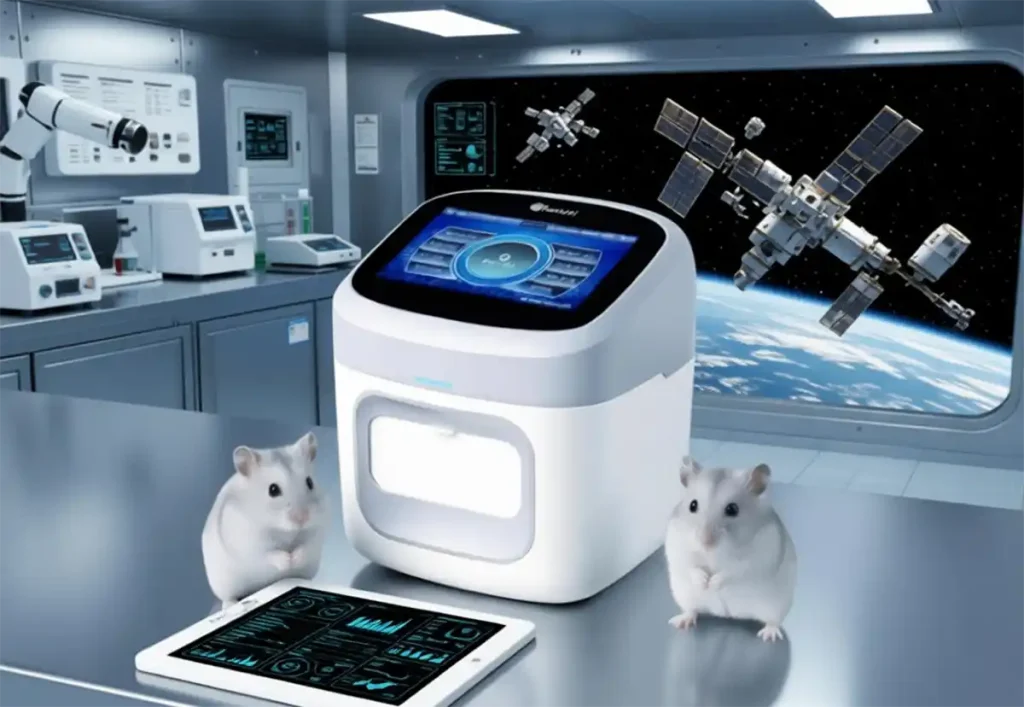
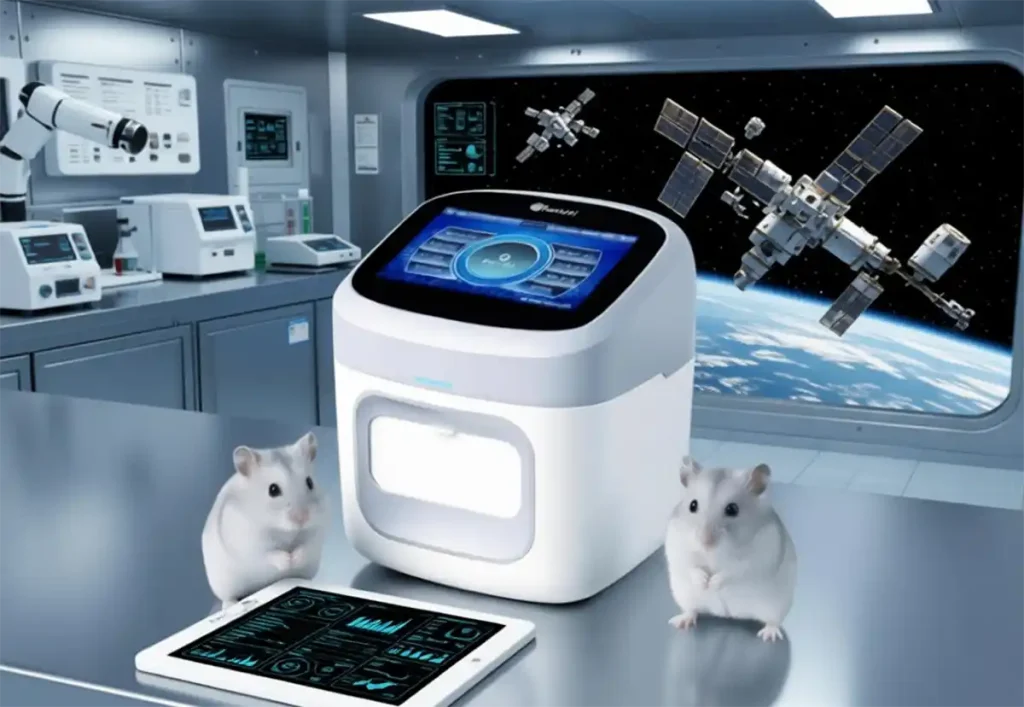
Figure 1: A solar array and battery backup power a hematology analyzer in an off-grid rural clinic.
Image title: Solar-powered hematology analyzer in an off-grid rural clinic | Alt text (web): solar powered hematology analyzer for off-grid rural clinic
Structured data: ImageObject schema for this image is provided in the Technical SEO & GEO Package below.
Powering the Analyzer: Solar, Battery and Low-Consumption Designs
Three design trends make off-grid hematology practical. Low-consumption instruments draw modest current; battery-ready systems ride through outages; and solar arrays sized to daily demand keep the batteries charged.
Reading the Power Specs
When evaluating devices, ask for idle and running wattage, warm-up time and whether the machine retains calibration on restart. Understanding how blood analyzers work helps here – fluidics and heating draw the most power, and efficient models minimize both. Basic hematology is named a first-level capability in the WHO Model List of Essential In Vitro Diagnostics; a low-power version of that capability is what off-grid clinics actually need.
Battery-ready is not the same as battery-powered. Some devices merely tolerate short outages; others can run an entire shift on an internal or external battery. Ask explicitly how many samples the unit can process on a full charge, and choose accordingly for a clinic day.
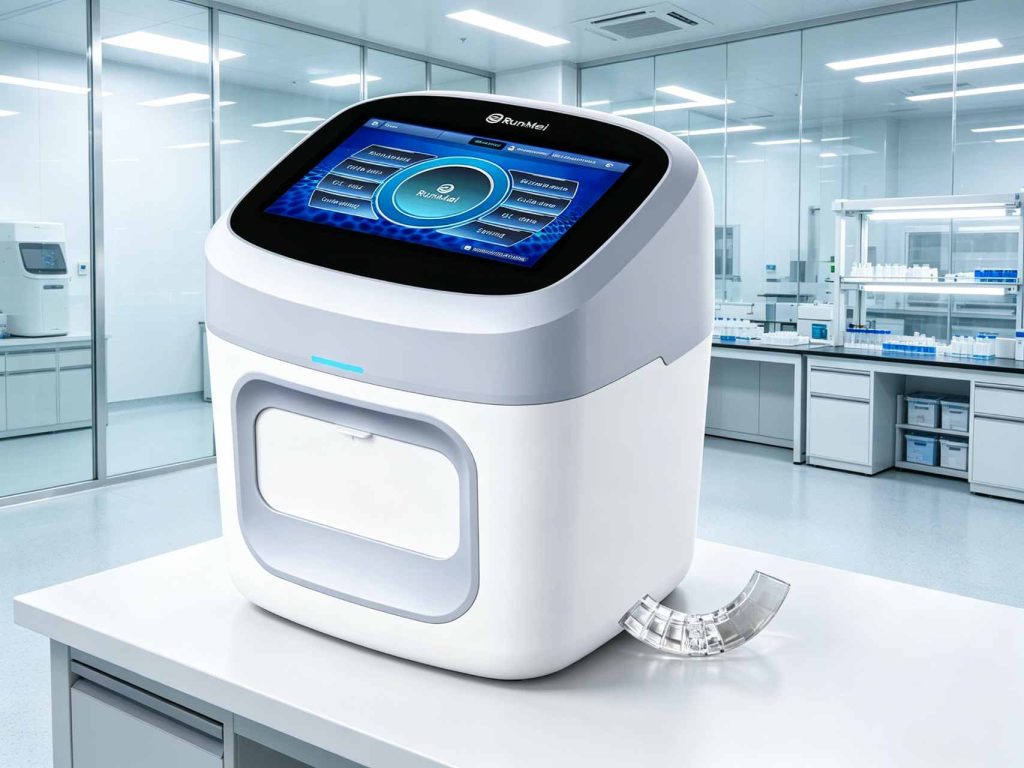
Figure 2: A battery-ready compact analyzer keeps CBC testing running through power outages.
Image title: Battery-ready compact analyzer running without mains power | Alt text (web): battery powered hematology analyzer for off-grid clinic blood testing
Structured data: ImageObject schema for this image is provided in the Technical SEO & GEO Package below.
Designing an Off-Grid Setup That Lasts
A durable off-grid setup is sized to the worst week of sun, not the best day. Oversize the battery slightly, protect it from heat, and connect the analyzer through a simple, labeled circuit so staff know what to switch off.
Practical Setup Choices
A battery backup that covers a clinic day of testing, paired with panels charged in daylight, removes dependence on the grid. When how to choose a blood analyzer for a rural clinic is weighed, power consumption should be weighted as heavily as price; a device that cannot run reliably will not justify any saving on the purchase order.
Keep the installation simple and documented. Label each circuit, train two staff to read the charge controller, and schedule a monthly check of battery health. A power system left untouched quietly ages, and the first sign of trouble is often a failed test on a busy morning.
The Economics of Off-Grid Diagnostics
The economics favor off-grid diagnostics when downtime and lost revenue are counted. An analyzer that runs every day on solar avoids repeated failed samples and repeat visits, which are the hidden costs of an unreliable grid.
Counting the Hidden Savings
The budget line for power, part of the real cost of a blood analyzer in a community clinic, shifts from diesel or unreliable mains to a predictable solar investment. For programs that already rely on blood testing with community health workers, adding a power system is often cheaper than building a wired laboratory. As discussed in the New England Journal of Medicine review of anemia of chronic disease, consistent serial counts – only possible with reliable power – guide chronic care. Confirm device clearance in the FDA’s 510(k) premarket notification database as part of procurement.
الأسئلة المتداولة
Can a hematology analyzer really run on solar power?
Yes, when the device is low-consumption or battery-ready and the solar array and battery are sized to its daily load. Many off-grid clinics now run compact analyzers entirely on solar plus battery backup, riding through outages that would stop a standard instrument.
How much solar capacity does a clinic need?
It depends on the analyzer’s wattage and daily sample volume, plus lighting and other loads. Size the battery to a full clinic day of use and the panels to recharge it, accounting for cloudy days. A vendor or installer should calculate the system around the device’s real consumption.
What happens during cloudy weather or if the battery drains?
A properly sized battery covers several days of modest use. For prolonged cloudy periods, clinics can schedule non-urgent testing around weather, keep a small reserve, or connect a backup generator. Protecting batteries from heat and deep discharge extends their life.
Is off-grid hematology more expensive than grid-connected testing?
The upfront power investment is real, but off-grid systems avoid diesel costs, outage downtime and the lost samples that plague unreliable mains. When those hidden costs are counted, solar-powered diagnostics often become the cheaper and more reliable option for remote clinics.
Conclusion
The convergence of cheaper solar, low-consumption devices and battery-ready design has brought CBC testing within reach of clinics that the grid never reached.
For an off-grid rural clinic, a solar powered hematology analyzer is now a practical, maintainable reality – provided the power system is sized honestly and the device chosen for real efficiency. Electricity, once the reason diagnostics could not exist, has become the lever that makes them possible.
Disclaimer
This article is provided for general informational and educational purposes only and does not constitute medical advice, diagnosis, or treatment. Laboratory testing must be performed by trained personnel in accordance with applicable regulations, manufacturer instructions and local law. Always consult a qualified healthcare professional for clinical decisions. Product names and capabilities described may vary by market and regulatory clearance. RunMei Health does not warrant that any device is suitable for a specific facility or jurisdiction without professional evaluation.
Meta Title: Solar-Powered Hematology Analyzers for Off-Grid Clinics
Meta Description: Off-grid rural clinics can run hematology analyzers on solar and battery power. Power budgets, low-consumption designs and field-tested setups.
URL slug: https://runmeihealth.com/solar-powered-hematology-analyzers-off-grid-clinics/
Primary keyword: solar powered hematology analyzer
Secondary keywords: off-grid clinic equipment, battery powered blood analyzer, low power diagnostics, rural electrification healthcare
Opening style: trend data (open with a decade-scale trend)
Writing style: data-driven report
Authority Citations (FDA / WHO / NEJM)
the FDA’s 510(k) premarket notification database
the WHO Model List of Essential In Vitro Diagnostics
the New England Journal of Medicine review of anemia of chronic disease