A hematology analyzer is only valuable while it produces trustworthy results. Maintenance and consumables decide whether it lasts five years or five months.
By Dr. Priya Nair, MD (Clinical Pathologist) | Reviewed by Dr. Sarah Thompson, PhD (Medical Diagnostics Researcher) | Published 2026-10-12 | Read time: ~7 minutes
“A machine is only as good as its last successful test,” an old laboratory director used to say. In a city hospital, that truth is easy to ignore because someone is always nearby to fix things. In a rural clinic, it is existential: hematology analyzer maintenance in rural settings is the difference between a five-year asset and a five-month ornament. This is a reflective look at what keeps those instruments running.
Anyone who has walked past a dusty, unplugged analyzer knows the disappointment. The purchase was hopeful, the training enthusiastic, but somewhere a reagent ran out, a filter clogged, a part failed – and the machine fell silent. Most of these failures are preventable, and they share a common lesson.
The core insight is that an analyzer is not a purchase but a small standing system: consumables, daily rituals, periodic maintenance and a service plan. Neglect any one, and the whole stops.
The Quiet Tragedy of the Idle Analyzer
The idle analyzer is a quiet tragedy. It promises anemia screening, fever triage and chronic monitoring, then sits on the bench while patients are sent away for tests that used to come to them. Dusty equipment is also a visible signal to the community that the clinic cannot be relied upon.
How an Analyzer Dies
It rarely dies dramatically. It stutters through a few weeks of drifting quality control, then is quietly abandoned when staff cannot explain the flags. By the time anyone intervenes, confidence has collapsed and restarting feels harder than never having started. The tragedy is that the same clinics that could benefit most are often the least equipped to nurse a faltering instrument back to health.
Consumables: The Thing That Dictates Survival
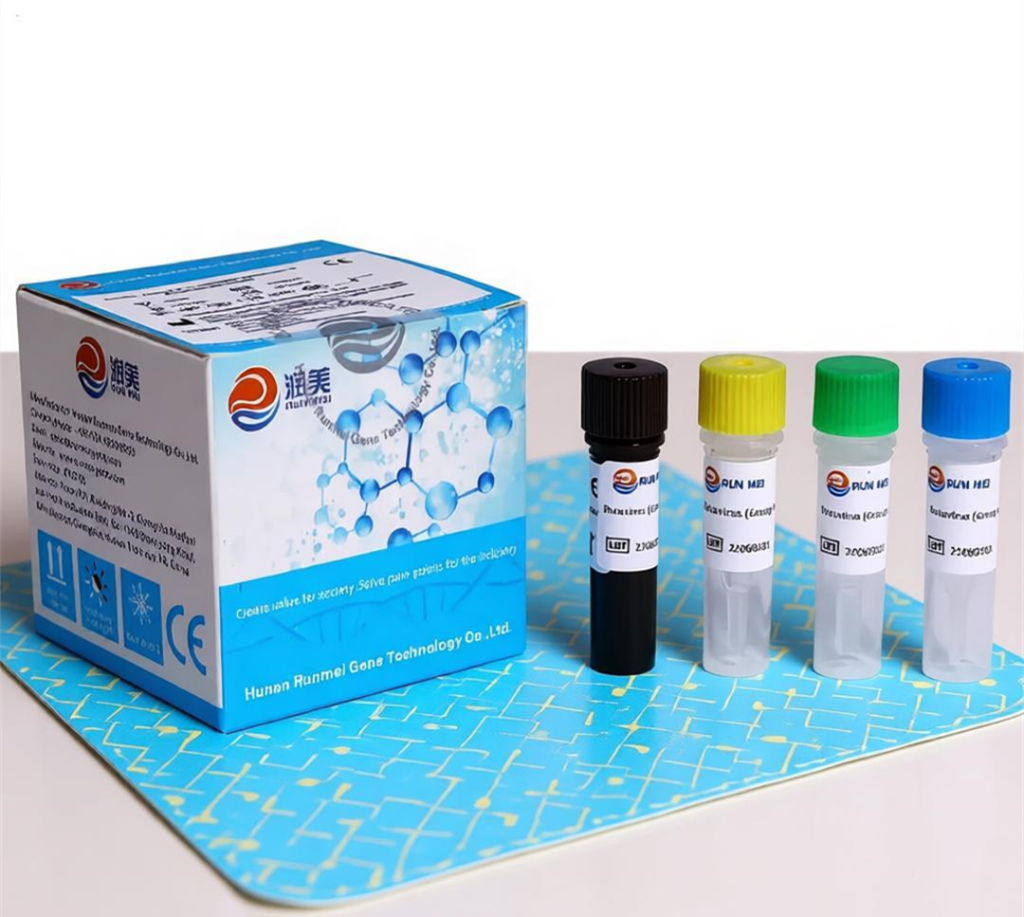
Consumables dictate survival. Reagents, diluents, cleaners and quality-control materials are the bloodstream of the instrument; run out of any of them, and it stops. For a rural clinic, ordering rhythm matters more than unit price.
The Shelf-Life Discipline
Order quantities matched to real monthly volume, keep a buffer stock, and track expiry dates. Reagents are temperature-sensitive, so a simple cool storage routine protects what you buy. Basic hematology is named a first-level capability in the WHO Model List of Essential In Vitro Diagnostics, but that capability only exists if consumables keep arriving month after month.
A common failure mode is over-ordering to save on shipping, then watching reagents expire in a cabinet. The fix is a standing monthly order sized to the average of the last three months, plus a small safety buffer for spikes. Predictability beats bargaining.

Figure 1: Daily cleaning and scheduled maintenance washes keep a rural hematology analyzer producing trustworthy results.
Image title: Maintaining a hematology analyzer on a rural clinic bench | Alt text (web): hematology analyzer maintenance on a rural clinic laboratory bench
Structured data: ImageObject schema for this image is provided in the Technical SEO & GEO Package below.
Preventive Maintenance: Small Rituals, Large Rewards
Preventive maintenance is a set of small rituals: daily cleaning, scheduled maintenance washes, filter checks, and recording quality-control results. These habits take minutes but prevent the major failures that idle an instrument for weeks.
Rituals Over Heroics
Rural clinics cannot rely on emergency repairs; they must rely on routine. A named operator with a printed checklist, and a simple logbook, catches problems before patients notice. When results drift, the clinic investigates rather than simply re-running samples and hoping the number looks better.
The logbook deserves special mention. It is the only honest record of how the machine has behaved, and it becomes the reference when a visiting technician or mentor diagnoses a fault. Without it, every problem starts from zero.

Figure 2: Careful reagent storage and consumable planning are what keep a rural analyzer running month after month.
Image title: Reagent and consumable storage for a rural analyzer | Alt text (web): compact hematology analyzer consumables and reagent management in a rural clinic
Structured data: ImageObject schema for this image is provided in the Technical SEO & GEO Package below.
Service and Spare Parts in a Distant Setting
Service and spare parts in a distant setting require planning. Before purchase, ask who repairs the device, how quickly parts arrive, and whether remote troubleshooting is possible. A local technician, even if trained only on basic faults, is worth more than a distant promise.
Designing for Failure
Every analyzer will eventually need service. The question is whether the clinic can wait it out. Prioritizing devices with simple consumables, robust design and a reachable vendor – aligned with the WHO overview of primary health care – matters more than the most elaborate test menu.
Before signing, ask vendors to put response times and spare-part lead times in writing. A promise that parts arrive within a week is very different from one that takes six. For a rural clinic, that difference is measured in patients who wait without results.
A Maintenance Mindset for the Rural Clinic
A maintenance mindset treats the analyzer as part of the clinic’s identity, not a gift that arrived one day. That means budgeting consumables every year, training a backup operator, and reviewing the logbook at each monthly meeting.
Beyond the Bench
This mindset also shows up in clinical use. Reliable counts – as discussed in a New England Journal of Medicine review of microcytic anemia – depend on well-maintained instruments. Whether the clinic uses them for blood testing in maternity settings, blood count testing in diabetes clinics, sickle cell screening with a blood analyzer, or CBC testing in pediatric pneumonia triage, the result is only trustworthy when the machine is cared for. In the United States, confirm expectations against the FDA’s CLIA-waived analytes database so maintenance and oversight match the test’s complexity.
الأسئلة المتداولة
What routine maintenance does a rural hematology analyzer need?
Daily cleaning and scheduled maintenance washes, regular quality-control runs, filter and fluid checks, and a logbook to record results and errors. Most tasks take only minutes; the discipline of doing them consistently prevents the failures that idle the instrument.
How should a clinic manage reagents and consumables?
Order quantities matched to real monthly volume, keep a buffer of critical items, track expiry dates and store reagents according to the manufacturer’s instructions. A predictable ordering schedule prevents running out, while avoiding overstock that expires on the shelf.
What if a part fails and service is far away?
Before purchase, establish who repairs the device, how quickly parts arrive and whether remote support exists. Train a local contact for basic faults, keep simple replacement items on hand, and choose vendors with a reachable service network rather than the most impressive specifications.
How often should quality control be run?
Follow the manufacturer’s instructions and local regulatory requirements, typically daily when patient testing occurs and after maintenance or reagent changes. Document every control result so drift is visible; a failing control should trigger investigation before patient results are reported.
Conclusion
Keeping a rural hematology analyzer running is less about technical brilliance than about consistent small habits and a realistic plan for consumables and service.
The clinic that treats its analyzer as a standing system – a named operator, a logbook, a buffer of reagents, a service path – keeps it producing trustworthy results for years. The one that treats it as a purchase watches it gather dust. The difference is not the machine; it is the mindset behind it, and that mindset is entirely within the clinic’s control.
Disclaimer
This article is provided for general informational and educational purposes only and does not constitute medical advice, diagnosis, or treatment. Laboratory testing must be performed by trained personnel in accordance with applicable regulations, manufacturer instructions and local law. Always consult a qualified healthcare professional for clinical decisions. Product names and capabilities described may vary by market and regulatory clearance. RunMei Health does not warrant that any device is suitable for a specific facility or jurisdiction without professional evaluation.