Anemia drains the energy, schooling and income of rural populations. CBC analyzers put reliable hemoglobin and red-cell screening where it is needed most.
By Dr. Grace Mwangi, MBChB, MPH (Global Health Program Lead) | Reviewed by Dr. Robert T. Malone, PhD, MLS(ASCP) (Senior Clinical Laboratory Scientist) | Published 2026-10-11 | Read time: ~7 minutes
Before the analyzer arrived, the clinic screened anemia the way clinics had for a century: a glance at conjunctiva and nail beds, a guess at pallor, an iron tablet prescribed on instinct. Today, the same rural community runs anemia screening on a CBC analyzer, and a pale child or exhausted mother leaves with a number, a diagnosis and a plan. That contrast – from intuition to measurement – is the story of anemia in rural care.
Anemia is not an illness so much as a signal, and a dangerous one. It blunts childhood development, complicates pregnancy and quietly drains adult energy and income. Yet in much of the rural world it goes unseen until it is severe, because the tools to measure it never reached the village.
The case is straightforward: a compact CBC analyzer puts reliable hemoglobin and red-cell measurement where anemia is most common, turning a hidden burden into a screenable, treatable one.
A Community That Used to Guess at Anemia
In a typical rural community, anemia accumulates quietly. Children grow slightly slower, mothers fatigue earlier, the harvest becomes harder to bring in. Without measurement, no one counts the toll, and the condition blends into the background of ordinary tiredness.
The clinic itself often shares the invisibility. Staff know children look pale and mothers complain of weakness, but without a number there is no way to tell who needs iron, who needs investigation, and who is simply overworked. Pallor estimates drift with the observer’s experience and the light in the room, so the same child can be called well one week and anemic the next.
The Cost of Not Knowing
Undiagnosed anemia in pregnancy raises the risk of poor outcomes, and iron deficiency stunts the development of young children. These are not rare tragedies; WHO estimates anemia affects a large share of children and pregnant women globally, as WHO’s anaemia fact sheet documents. Most of those affected live precisely where measurement used to be absent.
What a CBC Analyzer Reveals That Eyeballing Cannot
Eyeballing pallor is unreliable. A CBC analyzer measures hemoglobin directly and counts the red cells behind it, then adds the white cells and platelets that tell the clinician whether infection or bleeding is also at work. That combination separates simple tiredness from something needing treatment.
Numbers That Guide Treatment
Red-cell indices do more than detect anemia; they suggest its cause. Small, pale cells point toward iron deficiency or inherited traits, an insight refined in a New England Journal of Medicine review of microcytic anemia. This is why the same device that flags anemia can also support sickle cell screening with a blood analyzer in communities where inherited blood disorders are common.

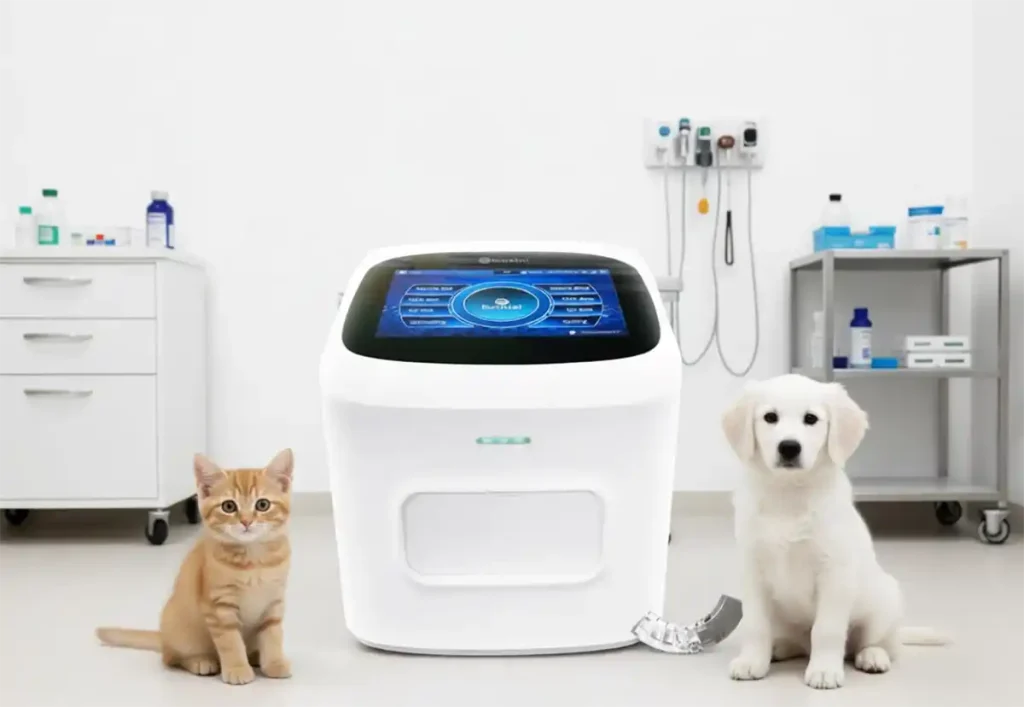
Figure 1: A compact CBC analyzer turns hemoglobin and red-cell screening into a routine rural clinic service.
Image title: CBC analyzer used for anemia screening in a rural clinic | Alt text (web): CBC hematology analyzer for rural anemia screening on a clinic bench
Structured data: ImageObject schema for this image is provided in the Technical SEO & GEO Package below.
Screening Programs: From Pulse to Population
Screening at population scale is different from diagnosing one patient. A community program uses the analyzer during antenatal visits, child welfare checks and outreach camps, building a map of who is anemic and where.
This rhythm fits naturally into services that already exist. Every antenatal booking becomes an opportunity to measure hemoglobin; every childhood immunization visit a chance to screen a growing child. Rather than staging special campaigns that demand new logistics, the analyzer embeds anemia screening into encounters the clinic already runs, which is what makes a program sustainable.
From Individual Numbers to Community Patterns
Aggregated results reveal hotspots – a village with unusually low hemoglobin, a season of heavy malaria transmission. This is the promise of primary health care, described in the WHO overview of primary health care: local data guiding local action rather than central guesswork. The analyzer that enables this is increasingly central to such programs.

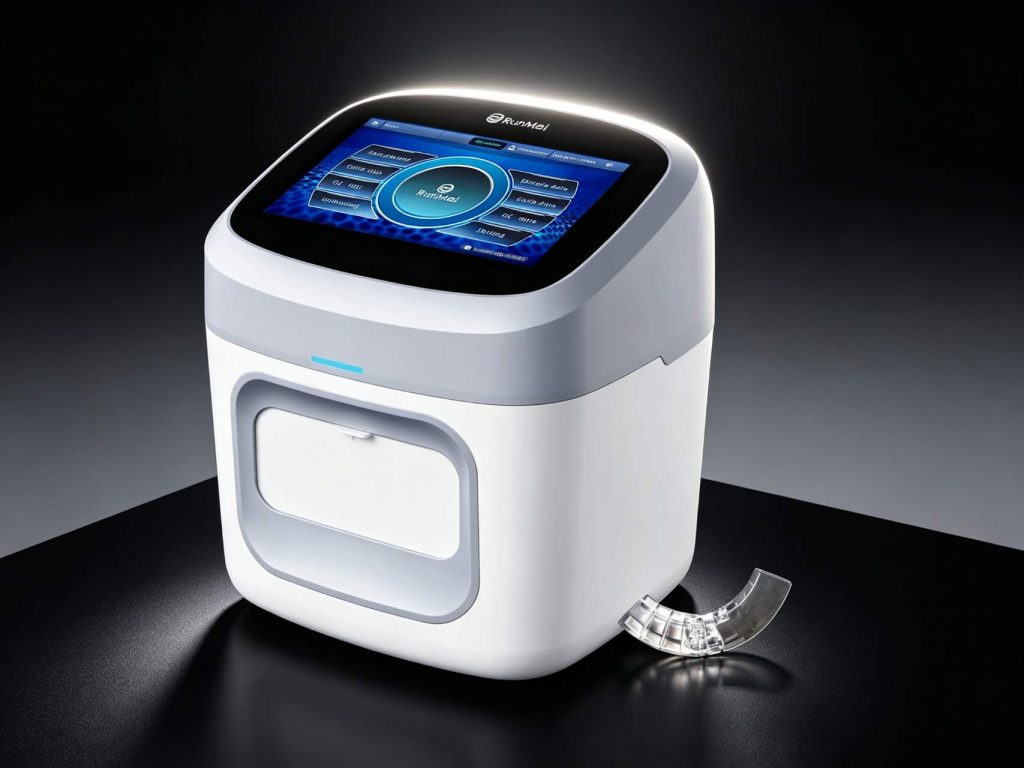
Figure 2: A portable multi-function analyzer brings anemia screening to outreach camps surrounding a rural community.
Image title: Portable analyzer supporting community anemia screening camps | Alt text (web): portable hematology analyzer for community anemia screening in villages
Structured data: ImageObject schema for this image is provided in the Technical SEO & GEO Package below.
Distinguishing Anemia Types Where It Matters
Not all anemia is iron deficiency. In rural settings, malaria, hookworm, chronic inflammation and inherited hemoglobinopathies all contribute, and treating the wrong cause wastes scarce tablets.
Reading the Full Picture
A white-cell count and platelet profile help when infection drives the anemia, and the differential supports CBC testing in pediatric pneumonia triage, where bacterial illness must be separated from viral. This is the value of a system like the BCA-330 automatic hematology analyzer, a compact five-part differential device built for point-of-care screening, and the BCA-320 portable multi-function analyzer, which extends screening to villages without a fixed clinic.
Putting Screening to Work: Devices, Workflow and Evidence
Running a screening program well means matching the device to volume, training staff in sampling and quality control, and linking results to treatment and referral. In the United States, the FDA’s CLIA-waived analytes database identifies tests simple enough for community settings, which lowers the barrier to on-site screening.
The evidence is clear that measuring anemia beats guessing at it. The remaining work is operational: sustainable reagent supply, trained operators and a pipeline from a positive screen to iron therapy or referral. Done well, anemia screening on a CBC analyzer converts a lifelong hidden burden into a condition a rural community can actually manage.
Programs that fail usually fail for predictable reasons: reagents ran out and were never reordered, staff left and were never retrained, or results were filed and never acted on. Programs that succeed treat the analyzer as part of a small standing system – a named operator, a monthly reagent order, a schedule for reviewing who still needs follow-up – rather than as a one-off donation.
الأسئلة المتداولة
What is anemia screening and why does it matter in rural areas?
Anemia screening means measuring hemoglobin and red-cell parameters to identify people with low oxygen-carrying blood before symptoms become severe. In rural communities, where anemia is most common and measurement was previously absent, screening catches iron deficiency, pregnancy-related anemia and disease-driven anemia early enough to treat.
How accurate is a CBC analyzer for screening anemia?
Automated analyzers measure hemoglobin precisely and are more reliable than visual pallor estimates. They also report red-cell indices that help suggest the cause. For definitive characterization of complex or inherited anemias, follow-up against a reference laboratory is still advised.
Can a compact analyzer screen whole communities during outreach camps?
Yes. Portable systems accept fingertip samples and return results in minutes, which suits antenatal clinics, child welfare visits and mobile screening camps. Reliable screening then depends on trained operators, daily quality control and a clear route from positive result to treatment or referral.
Does anemia screening detect causes beyond iron deficiency?
It flags anemia and, through red-cell indices and the white-cell count, hints at causes such as inherited traits, infection or chronic disease. It does not replace confirmatory tests for malaria, hemoglobinopathies or inflammation, but it reliably identifies who needs further evaluation.
Conclusion
Rural anemia used to be invisible because it was never measured. The CBC analyzer changes that by making hemoglobin a routine, local number rather than a distant aspiration.
With screening programs built on trained staff, dependable devices and clear referral paths, communities can turn a hidden drain on health and productivity into something they can see, treat and eventually reduce. For the mother who stops fainting in the fields, and the child who finally grows, that difference is not abstract at all.
Disclaimer
This article is provided for general informational and educational purposes only and does not constitute medical advice, diagnosis, or treatment. Laboratory testing must be performed by trained personnel in accordance with applicable regulations, manufacturer instructions and local law. Always consult a qualified healthcare professional for clinical decisions. Product names and capabilities described may vary by market and regulatory clearance. RunMei Health does not warrant that any device is suitable for a specific facility or jurisdiction without professional evaluation.