Meta Description: Biosafety and waste management in rural hematology laboratories: sharps, blood exposure, waste segregation, and the habits that protect laboratory staff.
The nurse who runs the analyzer also cleans the wounds, delivers the babies, and empties the sharps container with her bare hands when it overflows. In a rural laboratory, biosafety is not a chapter in a manual; it is a daily negotiation between the work that must be done and the exposure that comes with it. The clinics that win the negotiation do not have better equipment; they have better habits.
The Exposure That Is Always Present
The Blood That Is Everywhere
Hematology means blood, and blood in rural settings carries hepatitis, HIV, and the infections that travel with poverty. Every sample is a potential exposure, and the operator who treats every sample as infectious is the operator who goes home healthy. The [World Health Organization](https://www.who.int/) laboratory biosafety guidance is clear: standard precautions apply in every laboratory, from the district hospital to the health post.
The Sharps That Punish Carelessness
The needle is the sharpest risk. The rule is absolute: never recap, never bend, never pass a used needle by hand, and always drop it straight into the sharps container at the point of use. The sharps container should be within arm’s reach of the collection chair, replaced before it is full, and never emptied by hand. The rule costs nothing and prevents the exposure that changes a career.
The Waste That Must Be Segregated
The Three Streams
Laboratory waste separates into three streams: sharps, biohazard (blood and contaminated materials), and general waste. The streams must be segregated at the point of generation, because segregation is the step that makes safe disposal possible. A clinic that mixes its streams has already lost the battle; no disposal route can fix a mixed bag.
The Disposal Route
Every clinic needs a disposal route that actually exists: the incinerator, the pit, or the collection service that the district provides. The route should be agreed in writing before the first sample, and the agreement should be reviewed once a year. The reagent-free hematology analyzer reduces the fluid waste stream, but the sharps and the blood remain, and they need the same disciplined route as any other laboratory.
The Habits That Protect
The Gloves That Are Worn
Gloves are only protection when they are worn for every sample, changed between patients, and removed before touching the phone, the door, or the register. The glove habit is the most visible biosafety discipline, and it is the one that slips first on a busy morning. The supervisor’s job is to make the slip noticeable and the habit automatic.
The Hands That Are Washed
Handwashing between every patient and after every glove removal is the cheapest vaccine in the clinic. The wash point should be at the laboratory door, with soap and a clean towel, and the clinic should treat handwashing as the non-negotiable that it is. The portable blood analyzer in the field post follows the same rule as the benchtop in the district: the hands between the samples are the hands that matter.
The Incident That Is Prepared
The Exposure Kit
Every laboratory should keep an exposure kit ready: the post-exposure protocol, the contact numbers, the antiseptic, and the arrangements for testing and prophylaxis. The kit does not prevent the exposure; it makes the response immediate, and immediacy is what changes the outcome. The exposure protocol should be drilled once a year, because nobody reads the protocol calmly at the moment of the needle stick.
The Register of Incidents
Every exposure, however small, goes into the incident register: what happened, what was done, what was learned. The register is not a punishment tool; it is the clinic’s memory of its own risks, and it feeds the training that prevents the next incident. The clinic that reviews its incidents is the clinic whose incidents become rare.
The Equipment That Reduces Risk
The Design That Helps
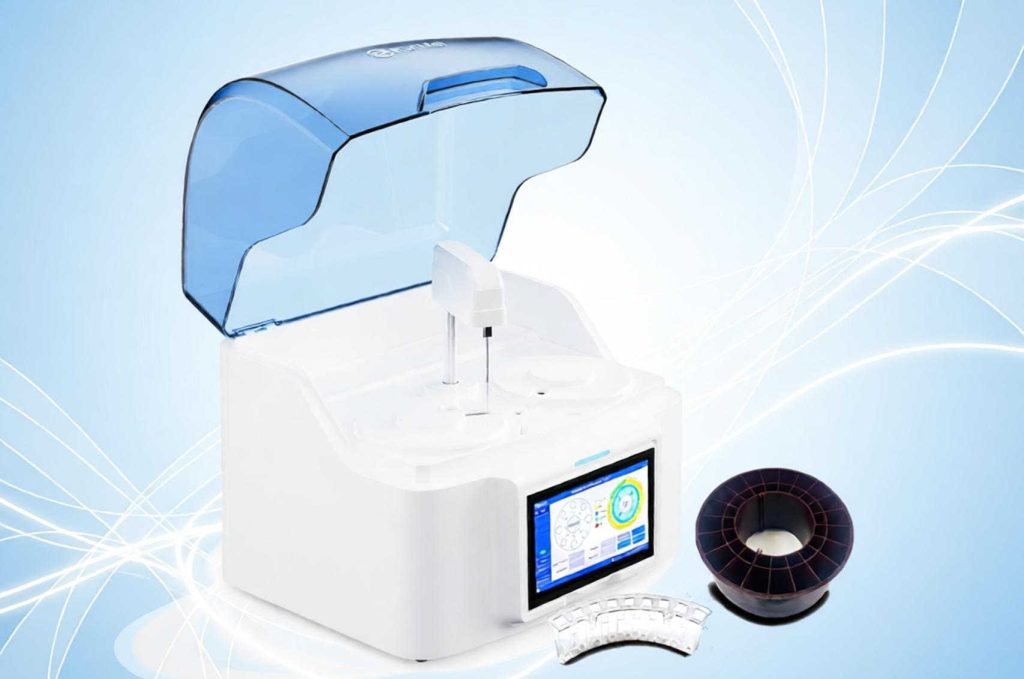
Some equipment choices quietly reduce risk: a complete blood count analyzer range that accepts closed tubes keeps the operator away from open blood, and a machine with fewer fluid lines means fewer spills. The analyzer selection questions should include the biosafety question, because the design of the instrument is part of the protection of the staff.
The Training That Completes the Design
The equipment only protects when the training completes it: the operator who knows the closed-tube workflow, the spill procedure, and the exposure protocol is the operator the design was made for. Biosafety is the meeting point of equipment and habit, and both halves must be present.
The Laboratory That Protects Its Own
Biosafety is not an extra duty on top of the testing; it is part of the testing, as inseparable as the control run. The sharps that are never recapped, the waste that is always segregated, the gloves that are always worn, and the hands that are always washed: these habits cost nothing, and they protect the people who protect the community. The clinic that treats its staff’s safety as seriously as its patients’ results is the clinic that can serve for decades.
Key Takeaways
- Standard precautions apply in every laboratory, from hospital to health post.
- Never recap, bend, or handle used needles; use the sharps container at point of use.
- Segregate sharps, biohazard, and general waste at the point of generation.
- Gloves, handwashing, and a disposal route agreed in writing protect the team.
- An exposure kit, a drilled protocol, and an incident register complete the system.
Biosafety FAQ
What are the minimum biosafety measures for a rural lab?
Treat every sample as infectious, never recap needles, use a sharps container at point of use, segregate waste, wear gloves for every sample, and wash hands between patients.
How should laboratory waste be disposed of without an incinerator?
Through the agreed district route: a collection service, a protected pit, or a designated incineration site. The route must be agreed in writing and reviewed annually.
What should a clinic do after a needle-stick exposure?
Follow the exposure protocol immediately: clean the wound, report the incident, access post-exposure testing and prophylaxis without delay, and record the event in the incident register.
References
1. World Health Organization. Laboratory biosafety manual. Geneva: WHO.
2. World Health Organization. HIV and AIDS. Fact sheet. Geneva: WHO.