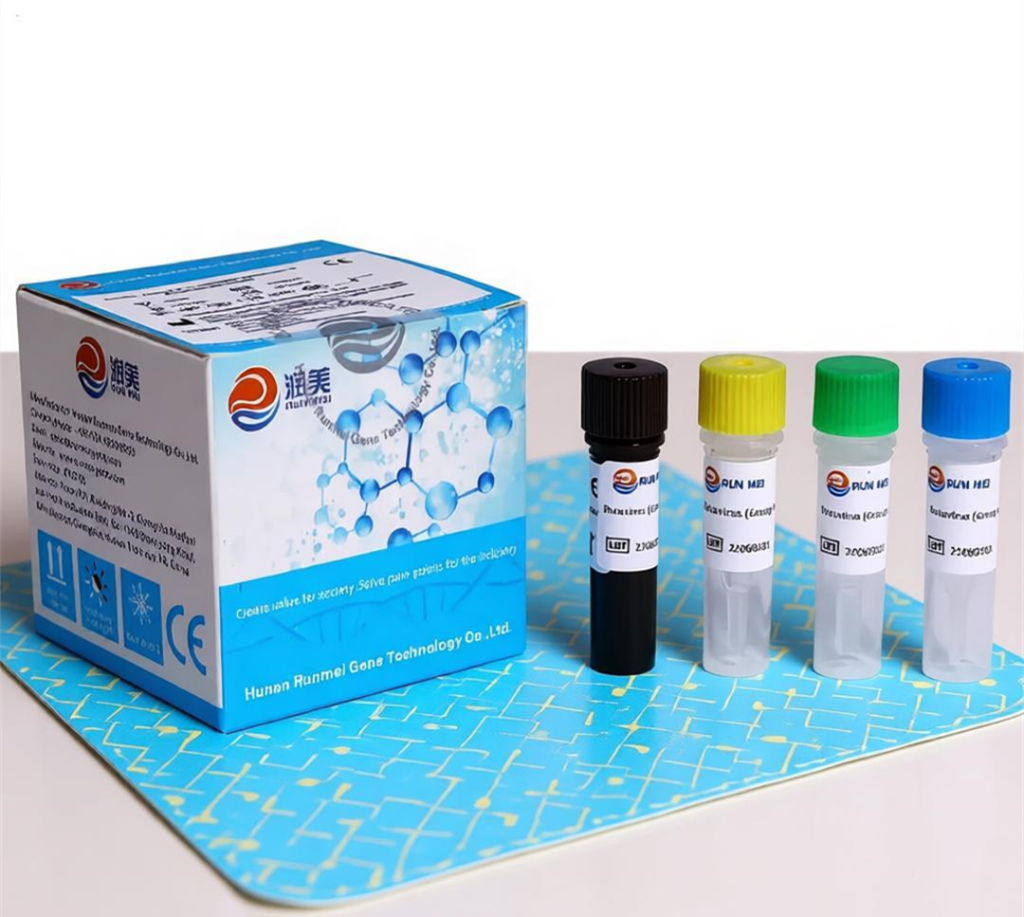
A hidden bleeding disorder can turn minor surgery into a crisis. Pre-procedure blood screening is the safety net small clinics can afford.
By Dr. Priya Nair, MD (Clinical Pathologist) | Reviewed by Dr. Robert T. Malone, PhD, MLS(ASCP) (Senior Clinical Laboratory Scientist) | Published 2026-10-20 | Read time: ~7 minutes
When was the last time you looked at a patient’s platelet count before you extracted a molar, excised a skin lesion, or placed a routine implant? For many small-clinic and dental teams, the honest answer is never — and that is exactly when blood screening minor surgery dental practice most needs to happen. A patient who looks perfectly well can carry an undiagnosed bleeding tendency, and a few drops of blood can turn a ten-minute procedure into a stoppable but frightening emergency.
This beginner’s primer explains what a pre-procedure blood screen actually is, who truly needs it, what the numbers mean, and how a small office can run it without a hospital laboratory. The core message is simple: a quick CBC is cheap insurance, and you do not need to be a pathologist to use it.
Why a Minor Procedure Can Suddenly Bleed
Most office procedures stop bleeding predictably because normal platelets and clotting factors seal the small vessels you cut. But some patients arrive with hidden risks: an inherited platelet problem, liver disease, kidney disease, or medication such as aspirin or an anticoagulant that thins the blood without the patient realizing its effect.
The result is a procedure that should take minutes instead leaving a socket that will not clot, a wound that keeps oozing, or a child who bruises abnormally. In dental surgery blood test screening, the goal is not to block every case but to flag the few patients who need extra preparation, a different technique, or referral.
What the Basic Blood Screen Actually Measures
A basic screen here means a complete blood count (CBC), run on an analyzer at the chairside. You do not need to memorize every parameter, but four numbers deserve your attention. The hemoglobin tells you if the patient is anemic enough that extra blood loss is risky. The platelet count is the single most useful number for bleeding risk. The white-cell count hints at infection in or near the surgical site.
Reading the Platelet Count
Platelets are the cells that form the initial plug in a cut. A low count raises bleeding risk for extractions, biopsies and surgery; a markedly low count is a reason to defer or refer rather than proceed. If these ideas are new to you, a plain-language walkthrough of how blood analyzers work shows how the instrument counts those cells from a single drop.
You do not need to run a clotting panel on everyone. You need a CBC on the patients whose history suggests bleeding, and a reason to look.
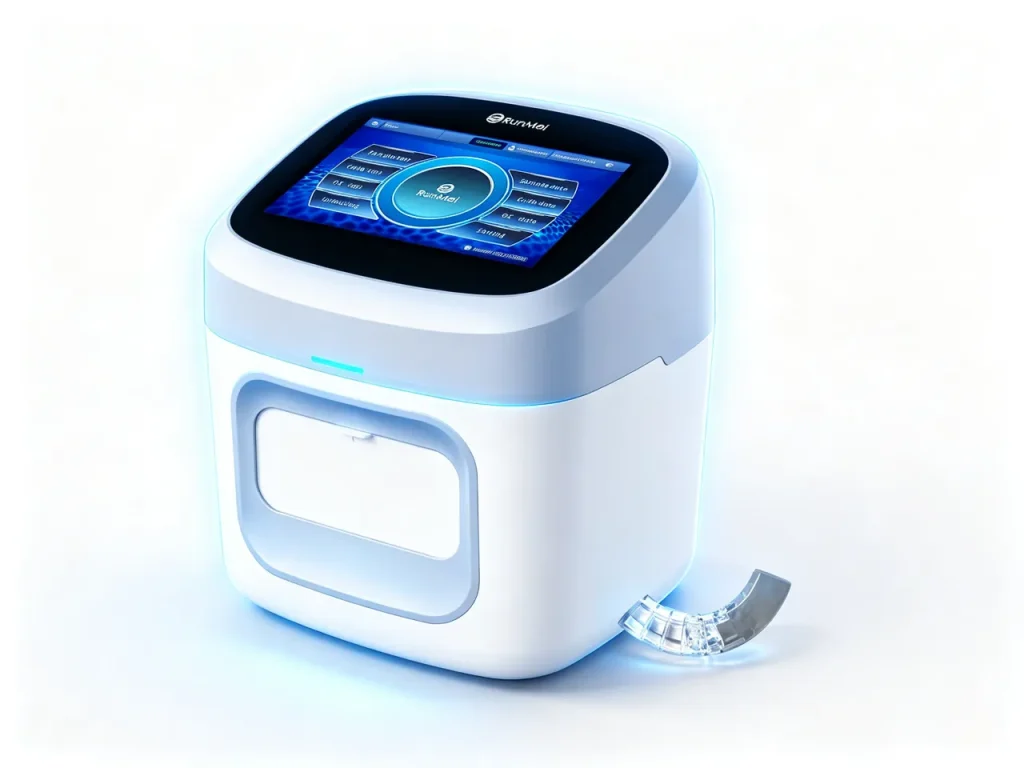
Figure 1: A compact analyzer delivers the platelet count and hemoglobin the chairside team needs before an office procedure.
Image title: Automatic hematology analyzer running a pre-procedure CBC in a small clinic | Alt text (web): automatic hematology analyzer for pre-procedure blood screening in a small clinic
Structured data: ImageObject schema for this image is provided in the Technical SEO & GEO Package below.
Who Should Be Screened — and When
Not every routine cleaning needs a lab test, and running a CBC on every patient wastes reagents and time. Bleeding risk screening becomes essential when a patient has a personal or family history of easy bruising, heavy bleeding after prior procedures, liver or kidney disease, anemia, or is taking blood-thinning medication. It also belongs before more invasive work such as multiple extractions, implants, or surgery on a vascular area.
A short written checklist — bleeding history, medications, liver or kidney disease, abnormal fatigue — tells you who to test. When the history is positive, a pre-procedure platelet count and hemoglobin guide the decision. Unexpected anemia on the screen can itself point to disease, and a New England Journal of Medicine review of microcytic anemia shows how a small red-cell index can reveal iron deficiency that otherwise goes unnoticed.
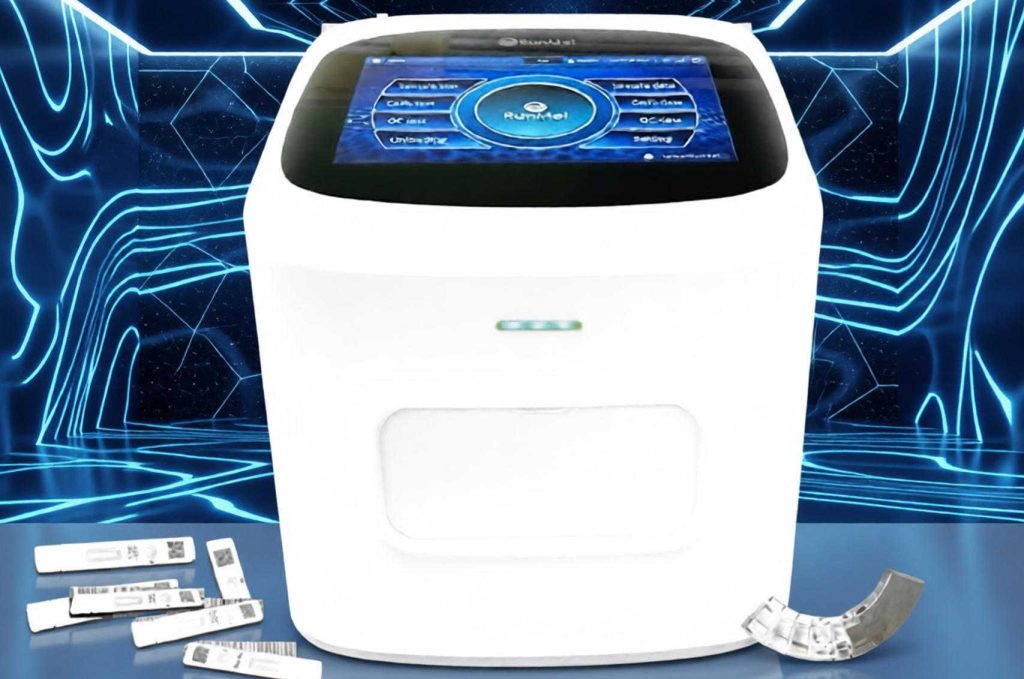
Figure 2: A portable analyzer brings same-day bleeding-risk screening to dental and minor-surgery suites.
Image title: Portable multi-function analyzer for chairside platelet and anemia screening | Alt text (web): portable hematology analyzer for chairside platelet count and anemia screening
Structured data: ImageObject schema for this image is provided in the Technical SEO & GEO Package below.
Running the Screen in a Small Office
Small clinics often assume a CBC requires a full laboratory. In fact, a compact blood analyzer for small clinics fits on a countertop, accepts a finger-prick or venous sample, and returns results in minutes. Choosing one is simpler than it sounds; how to choose a blood analyzer for a rural clinic walks through the practical criteria such as sample volume, reagent shelf life and operator training.
Regulation matters too. In the United States, the FDA’s CLIA framework classifies simple tests as waived so offices without a full lab license can run them; check the FDA’s CLIA-waived analytes database for current classifications. And remember the total picture, not just the purchase price: the real cost of a blood analyzer in a community clinic covers the reagents and service that decide whether the machine actually gets used.
Building Screening Into the Routine
The most successful offices treat screening as a standard step, not an afterthought. The intake checklist flags who needs a CBC; the analyzer runs it while the patient is in the chair; the result is reviewed before the procedure begins. This is exactly the kind of essential, first-level diagnostic capacity that the WHO Model List of Essential In Vitro Diagnostics endorses for primary care.
Over time the screen becomes invisible: patients are protected, emergencies drop, and clinicians gain confidence. As WHO’s overview of primary health care emphasizes, safe primary care means bringing basic testing close to the patient rather than sending them away for every decision. A chairside CBC does precisely that.
الأسئلة المتداولة
Do I need a blood test before every routine dental procedure?
No. Routine cleanings and simple exams usually do not require a CBC. Screen patients with a bleeding or bruising history, blood-thinning medication, liver or kidney disease, anemia, or before more invasive work such as multiple extractions, implants or surgery.
What platelet count is concerning before a procedure?
Platelet thresholds vary by procedure and patient, but a clearly low count raises bleeding risk and warrants deferral or referral for evaluation rather than proceeding. Always follow your local clinical guidance and the procedure-specific risk.
Can a small clinic run a CBC without a laboratory license?
Many point-of-care analyzers are designed for simple operation by trained office staff. In the U.S., CLIA-waived tests can run in facilities without a full laboratory license, though staff training, quality control and the manufacturer’s instructions remain essential.
Does the CBC replace a clotting test such as INR?
No. A CBC counts cells and platelets; it does not measure clotting factors. Patients on anticoagulants need the appropriate coagulation testing, and the CBC adds information about platelets and anemia that clotting tests do not provide.
Conclusion
Blood screening before minor surgery and dental work is not about blocking patients from care. It is about catching the hidden few for whom a routine procedure could become a bleeding emergency, and doing so with a few minutes of chairside testing.
You do not need a hospital laboratory to offer this safety net. A compact analyzer, a short history checklist and a written screening policy let any small clinic protect its patients and itself — one counted cell at a time.
Disclaimer
This article is provided for general informational and educational purposes only and does not constitute medical advice, diagnosis, or treatment. Laboratory testing must be performed by trained personnel in accordance with applicable regulations, manufacturer instructions and local law. Always consult a qualified healthcare professional for clinical decisions. Product names and capabilities described may vary by market and regulatory clearance. RunMei Health does not warrant that any device is suitable for a specific facility or jurisdiction without professional evaluation.