Antiretroviral therapy needs laboratory companions. CBC monitoring in rural HIV clinics catches anemia, neutropenia and infections early.
By Dr. Daniel Weiss, PhD (Bioengineer & Diagnostic Instrument Specialist) | Reviewed by Dr. Angela Reyes, MD, MPH (Infectious Disease Physician) | Published 2026-10-16 | Read time: ~7 minutes
The problem is familiar: rural HIV clinics keep thousands of patients on life-saving antiretroviral therapy, yet many have no way to watch the blood counts that reveal drug side effects and hidden infections. Patients stay on a regimen that may be quietly damaging their marrow, and staff find out only when the patient grows dangerously ill. The solution is within reach. CBC monitoring in rural HIV care, done on a compact analyzer at the clinic, catches anemia, low neutrophils and infection early and keeps ART safe. This plain-language guide explains how.
In simple terms, the complete blood count is the laboratory companion that antiretroviral therapy was always meant to have. It does not replace viral load or CD4 testing, but it is the frequent, affordable check that protects patients between those more specialized tests.
If you run or support a rural HIV programme, what follows tells you which patients need a CBC, how often, and what the numbers mean in everyday language.
Why HIV Care Needs the Blood Count
HIV weakens the immune system, and some antiretroviral medicines can also affect the blood. Without a CBC, neither the disease’s progress nor the drug’s side effects is visible.
Anemia: The Most Common Signal
Anemia is widespread in people living with HIV, caused by the infection itself, by other illnesses and sometimes by treatment. As WHO’s anaemia fact sheet notes, anemia is a common, measurable burden. A falling hemoglobin in a patient on therapy is a warning worth acting on, not a footnote.
Low Neutrophils and Infection
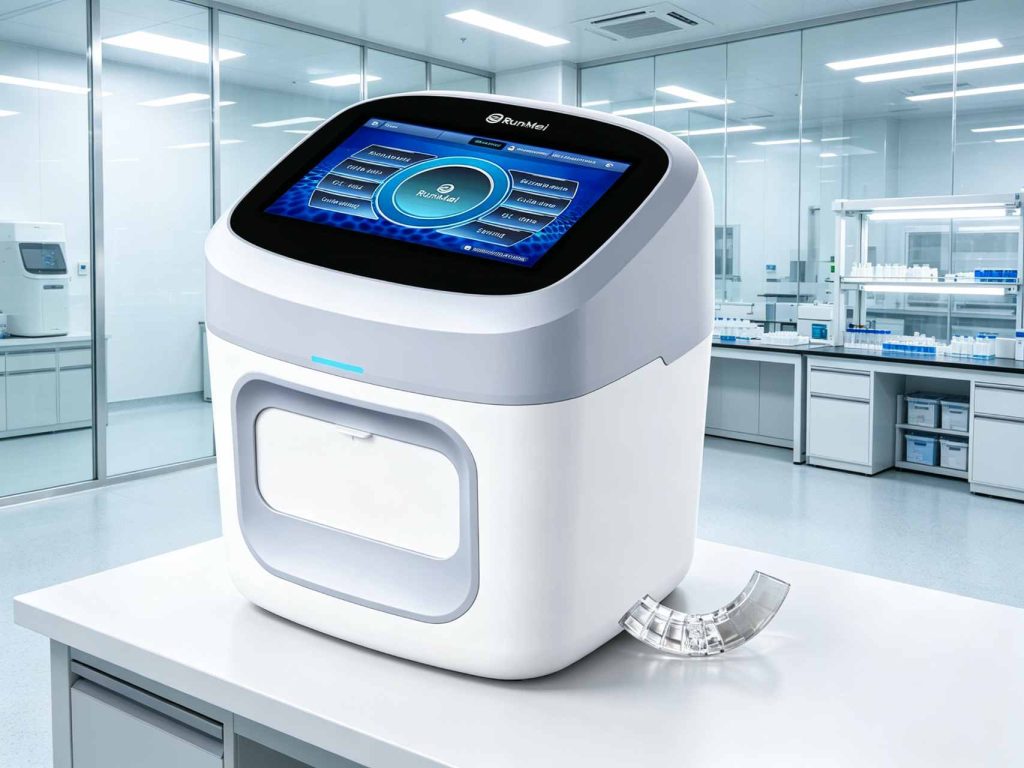
Certain older antiretroviral regimens can suppress the bone marrow, lowering neutrophils. A CBC catches this before a serious infection takes hold. Understanding these patterns is the everyday job of the BCA-330 5-part hematology analyzer in a rural clinic, where a five-part count separates the white-cell types.
The reason this matters in plain terms is that marrow suppression rarely announces itself with a single dramatic symptom. Patients feel only vaguely unwell, or not at all, until an infection takes advantage of their low defenses. The blood count reveals the quiet decline the patient cannot describe, which is precisely why it belongs at the clinic rather than in a distant laboratory.
Which Patients, and How Often
Not every patient needs a CBC at every visit, but everyone starting or changing a regimen should have one as a baseline.
A Simple Schedule
Obtain a CBC when a patient starts ART, repeat it after a few weeks on a regimen known to affect the marrow, and check it again if the patient develops fever, fatigue or unusual bruising. Stable patients can be monitored less often. This fits the essential-diagnostics logic behind the WHO Model List of Essential In Vitro Diagnostics, which places basic hematology at first-level care.
The same analyzer serves the wider chronic caseload, from blood count testing in diabetes clinics to sickle cell screening with a blood analyzer, so the instrument stays busy across the programme.
Figure 1: A bench-top analyzer returns the CBC that detects anemia and low neutrophils in patients on antiretroviral therapy.
Image title: Fully automatic hematology analyzer monitoring CBC and neutrophils in a rural HIV clinic | Alt text (web): hematology analyzer for CBC monitoring in rural HIV and ART clinics
Structured data: ImageObject schema for this image is provided in the Technical SEO & GEO Package below.
Reading the Numbers in Plain Language
You do not need to be a hematologist to use a CBC in HIV care. Three numbers do most of the work.
Hemoglobin, Neutrophils, Platelets
Low hemoglobin means anemia, which explains fatigue and may prompt investigation. Low neutrophils raise concern about marrow suppression or infection. Low platelets can signal a serious illness. Trends matter more than single values; a decline over weeks is what triggers action. Clinicians can deepen the background through a New England Journal of Medicine review of anemia of chronic disease, which frames how chronic infection shapes the blood picture.
When It Signals Another Infection
An abnormal count may point beyond HIV to tuberculosis or pneumonia. This overlap is why the CBC also supports CBC testing in pediatric pneumonia triage and TB screening; an unexplained anemia in a patient on stable therapy deserves another look.

Figure 2: A portable analyzer extends CBC monitoring for people living with HIV during village outreach sessions.
Image title: Portable multi-function analyzer for rural HIV outreach and community ART follow-up | Alt text (web): portable hematology analyzer for rural HIV care and ART monitoring
Structured data: ImageObject schema for this image is provided in the Technical SEO & GEO Package below.
Operationally Adding the CBC to an HIV Clinic
Adding CBC monitoring does not require a laboratory department. It requires a compact analyzer, trained staff and a written protocol.
Train Staff, Keep Routine
Existing clinic nurses can run the analyzer after training. Keep a log of every CBC, flag abnormal values, and review them at the weekly clinic meeting. A protocol that says what to do with a low neutrophil count removes hesitation.
Regulatory clarity keeps the programme lawful; in the United States, the device’s market status is recorded in the FDA’s 510(k) premarket notification database, the reference a clinic checks before routine use.
The Payoff: Safer Treatment, Happier Clinics
When the CBC is part of HIV care, clinics spot side effects early, investigate infections sooner and send fewer patients into crisis. The regimen that keeps people alive becomes easier to keep safe.
For a rural programme, the analyzer is not an extra cost; it is the thing that makes long-term ART reliable. Patients stay healthier on the medicines they already take, and the clinic gains a tool that serves the whole community.
Programmes that make the CBC a routine part of care report fewer surprise admissions and more confident clinicians. The blood count turns a demanding treatment into a manageable one.
الأسئلة المتداولة
Why is a CBC important for people on antiretroviral therapy?
Because HIV and some HIV medicines can affect the blood. The CBC detects anemia, low neutrophils and platelet changes early, revealing drug side effects or hidden infections before they become serious. It keeps long-term treatment safe.
How often should an HIV patient have a CBC in a rural clinic?
A CBC is usually taken when therapy starts, repeated after a few weeks on marrow-affecting regimens, and checked whenever the patient develops fever, fatigue or bruising. Stable patients need it less often; the exact schedule should follow local programme guidance.
What does an abnormal CBC tell an HIV clinic?
Low hemoglobin suggests anemia, low neutrophils may point to marrow suppression, and low platelets can signal serious illness. Trends over time guide action; an unexplained abnormal count may also prompt investigation for tuberculosis or other infection.
Can a rural HIV clinic run CBC monitoring without a specialist laboratory?
Yes. Compact analyzers are designed for trained clinic staff, and the test requires only a small blood sample. Success depends on training, daily quality control and a written protocol for responding to abnormal values, not on a full laboratory department.
Conclusion
Antiretroviral therapy saves lives, but only when the blood is watched. The CBC is the affordable, frequent companion that makes rural HIV care safe over the long term.
A clinic that adds CBC monitoring spots side effects early, investigates infections sooner and keeps patients on effective treatment. The instrument pays for itself in crises avoided.
Rural HIV programmes that run the blood count are no longer flying blind. They are giving patients the quiet, dependable protection that therapy has always promised.
Disclaimer
This article is provided for general informational and educational purposes only and does not constitute medical advice, diagnosis, or treatment. Laboratory testing must be performed by trained personnel in accordance with applicable regulations, manufacturer instructions and local law. Always consult a qualified healthcare professional for clinical decisions. Product names and capabilities described may vary by market and regulatory clearance. RunMei Health does not warrant that any device is suitable for a specific facility or jurisdiction without professional evaluation.