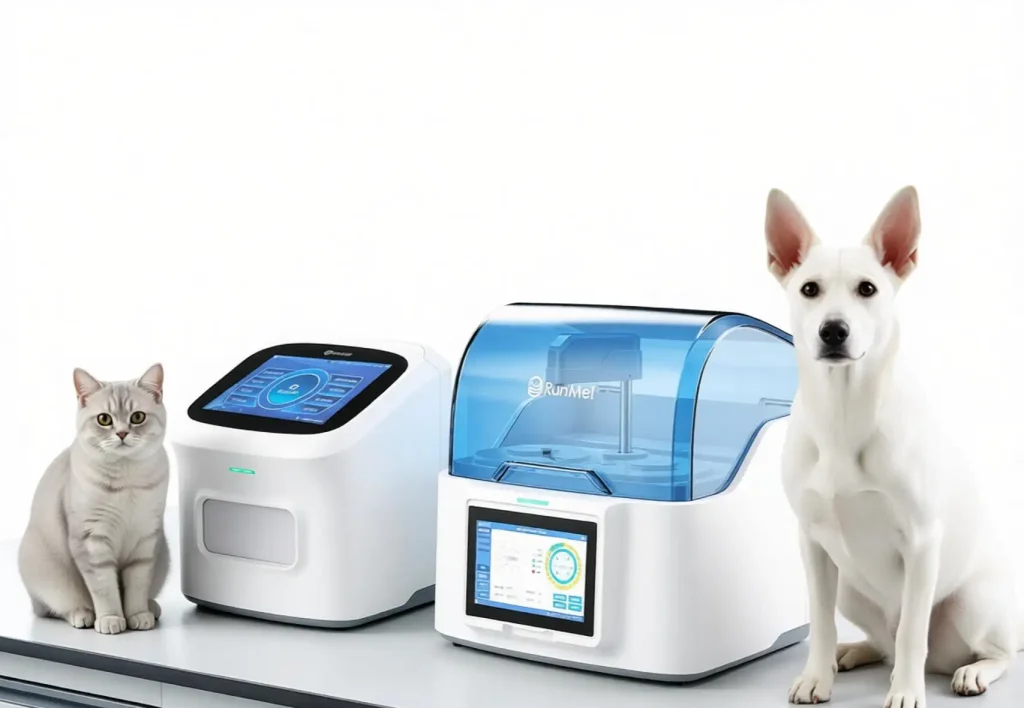
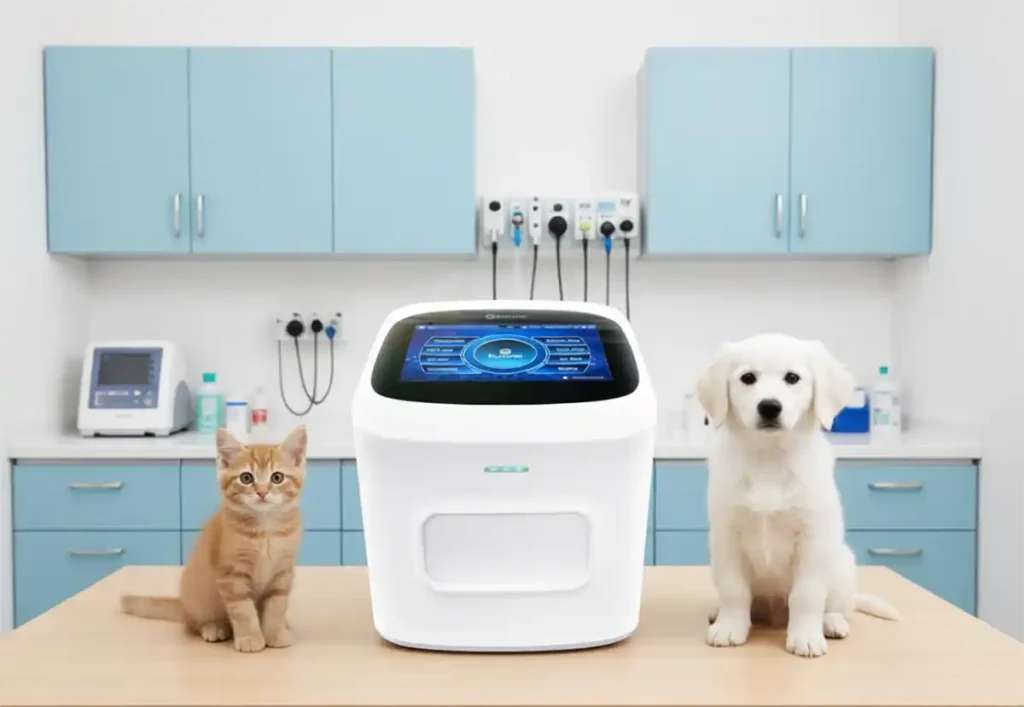
A practical field guide to using CBC parameters — white cells, platelets, and red cell indices — when every febrile patient could have malaria, typhoid, dengue, or sepsis.
By Dr. Lena Okafor (MD, MPH — Global Health & Primary Care Physician) | Published: 2026-09-17 | Reviewed by Sarah Whitmore, MLT(ASCP) — Laboratory Reviewer | ~1116 words
| Meta Title | Fever Differential Diagnosis in Rural Clinics: CBC Guide with a Hematology Analyzer |
| Meta Description | Malaria, typhoid, dengue, or sepsis? Use CBC parameters from a hematology analyzer to sharpen fever differential diagnosis in the rural clinic. |
| URL Slug | /blog/fever-differential-diagnosis-cbc-rural-clinic-guide/ |
| Focus Keyword | CBC fever differential diagnosis rural clinic |
| Word Count (body) | 1116 words |
| Publish Date | 2026-09-17 |
| Author | Dr. Lena Okafor — MD, MPH — Global Health & Primary Care Physician |
| Medical Review | Sarah Whitmore, MLT(ASCP) — Laboratory Reviewer |
A One-Sentence Answer
In a rural clinic, a complete blood count from a hematology analyzer turns fever differential diagnosis from guesswork into pattern recognition — separating malaria, typhoid, dengue, and bacterial sepsis before the patient’s condition declares itself.
It is 9 a.m. in a district clinic and there are already seventeen patients with fever in the queue. The rapid malaria test is negative for six of them, but you know the test can fail at low parasite density. The mother of a four-month-old is holding a baby who feels hot and limp. A farmer with a week of fever has a spleen edge you can feel. A teenager with ‘flu’ has a petechial rash you noticed as she walked in. You have one microscope, one technician, and a decision to make about each of them. This is the daily reality of febrile illness in rural primary care, where fever is the most common presenting complaint and the differential diagnosis spans malaria, typhoid, dengue, leptospirosis, pneumonia, urinary infection, and sepsis.
Why the CBC Belongs in Every Fever Workup
A complete blood count is cheap, fast, and astonishingly informative in febrile illness. Run on a hematology analyzer at the point of care, it returns within minutes: hemoglobin, white cell count with differential, platelet count, and red cell indices. In the rural setting — where advanced imaging and cultures are unavailable — these parameters are the workhorse of clinical reasoning.
على WHO Essential Diagnostics List includes the complete blood count at primary care level for exactly this reason. And the regulatory path for the instruments that deliver it is well established: the FDA’s 510(k) clearance documentation for automated differential counters shows how rigorously a hematology analyzer’s white cell differential is validated before clinical use.
The CBC patterns you will see most often
- Malaria: anemia, normal-to-low white cell count, thrombocytopenia — platelet counts below 100,000 in a febrile patient are a strong malaria clue in endemic areas.
- Dengue: falling platelet count and rising hematocrit (hemoconcentration) as the illness progresses — serial CBCs track the danger window.
- Typhoid: leukopenia with relative lymphocytosis in early disease, rising white cells if complications develop.
- Bacterial sepsis: leukocytosis with a left shift (raised neutrophils and immature forms); in children, a very high or very low white count both signal serious bacterial infection.
- Viral illness: lymphocytosis with normal platelets, often reassuring in a well child.
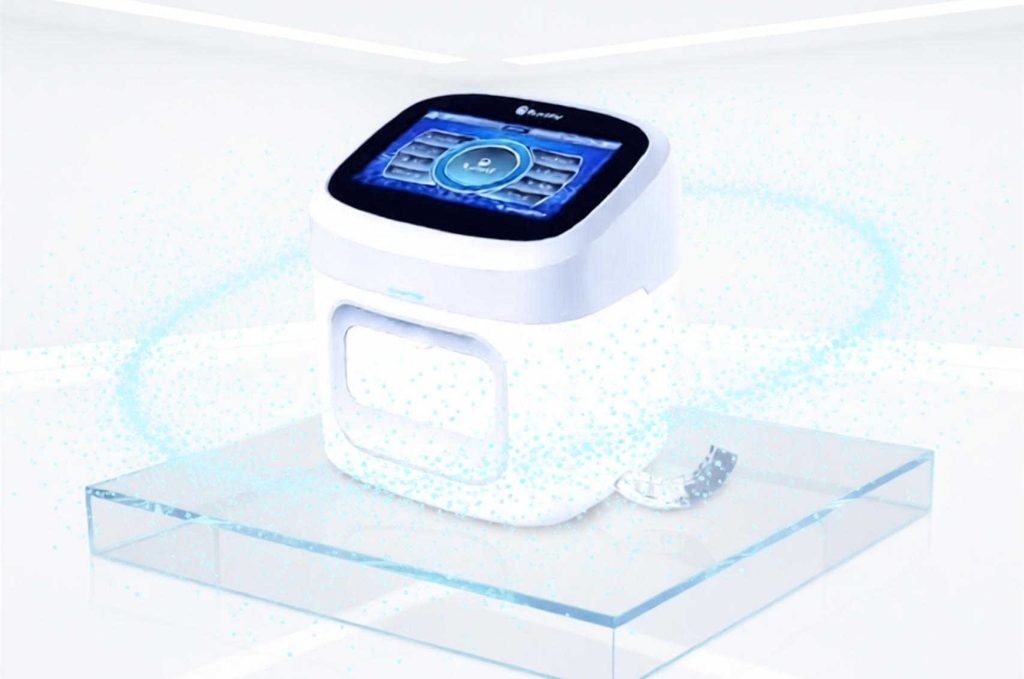
Figure 1. A CBC from a hematology analyzer delivers the white cell, platelet, and red cell parameters that structure fever differential diagnosis at the rural bedside.
A Decision Framework for the Febrile Patient
Build the workup in layers. Layer one is always the rapid test appropriate to your region — malaria RDT where malaria is endemic. Layer two is the CBC, which reinterprets the whole picture. Layer three is clinical judgment, now armed with numbers.
Step 1 — Anchor with the malaria test
In malaria-endemic areas, a positive RDT with a supportive CBC (anemia, thrombocytopenia) supports treatment with artemisinin combination therapy. A negative RDT does not exclude malaria, especially at low density; a CBC that shows the malaria pattern should prompt a blood film if microscopy is available, or a repeat RDT.
Step 2 — Read the white cell line
A white cell count above 15,000 with neutrophilia points to bacterial infection and justifies antibiotics or referral depending on severity. Leukopenia (below 4,000) in a febrile patient raises typhoid in endemic areas, and viral infection in general. In infants and young children, any white cell count below 5,000 or above 15,000 with fever is a red flag for serious bacterial infection.
Step 3 — Track the platelets
Serial platelet counts are the single most useful tool for dengue and for severe malaria. A falling platelet count with rising hematocrit in the second phase of fever is the classic dengue warning. In dengue season, a clinic with a reliable automatic hematology analyzer can monitor high-risk patients daily and refer the ones entering the critical leakage phase — a protocol that rural clinics worldwide have adopted for dengue preparedness.
When to Refer, When to Treat, When to Watch
The CBC does not make the decision; it makes the decision possible. Refer when the platelet count is collapsing, when the white cell count is extreme, when hemoglobin is falling, or when the febrile child is under three months. Treat locally when the pattern is clear and the treatment protocol exists — malaria, uncomplicated typhoid, bacterial infection with available antibiotics. Watch and re-test when the picture is indeterminate; the ability to repeat a CBC in 24 hours is one of the greatest advantages of owning a hematology analyzer rather than renting a courier.
That advantage is economic as well as clinical. Portable blood analyzers versus the city lab courier shows that at rural volumes, an on-site analyzer beats referral testing on cost per patient and time to result. For clinics weighing the investment, multi-function portable analyzers that add biochemistry panels extend the same decision framework to glucose, creatinine, and liver function — covering the septic diabetic and the jaundiced patient in the same queue.
Quality Control: The Unseen Partner
A fever workup is only as trustworthy as the analyzer’s last quality check. Run daily controls, record them, participate in external quality assessment, and calibrate on schedule. The FDA 510(k) data for point-of-care hematology systems documents the accuracy that is possible; your local QC routine is what makes it real in your clinic. Document the CBC on every febrile admission and you also build the clinic’s own epidemiology — a record that tells you, by season, which fevers are circulating in your community.

blood analyzer white cell differential display for fever workup in rural practice
الأسئلة المتداولة
Q: Can a CBC distinguish malaria from typhoid?
Not definitively, but it helps. Malaria typically shows anemia and thrombocytopenia with a normal or low white count; typhoid often shows leukopenia with relative lymphocytosis. The CBC narrows the differential and guides confirmatory testing and treatment.
Q: What platelet count is dangerous in dengue?
The absolute number matters less than the trend and the clinical state. A rapidly falling platelet count below 50,000, especially with rising hematocrit and warning signs such as abdominal pain or bleeding, warrants urgent referral.
Q: Is a normal CBC reassuring in a febrile child?
Often yes. A normal white cell count and platelet count in a well-looking child support a viral illness and watchful waiting. But clinical judgment prevails: a toxic-appearing child needs care regardless of laboratory values.
Q: How quickly should a CBC be repeated in fever?
For dengue monitoring, repeat every 24 hours during the febrile phase and more often once defervescence begins. For other febrile illnesses, repeat in 48–72 hours if the patient is not improving or if the initial count was borderline.
Q: Can a fingerstick CBC work for febrile children?
Yes. Portable hematology analyzers accept 20–40 microliter capillary samples, which is ideal for febrile infants and children in whom venous access is difficult.
Medical Disclaimer
This article is for educational and informational purposes only and is not a substitute for professional medical advice, diagnosis, or treatment. Always seek the advice of your physician or another qualified health provider with any questions you may have regarding a medical condition. Never disregard professional medical advice or delay in seeking it because of something you have read in this article. Product names, brand names, and trademarks mentioned are the property of their respective owners; other brands are referred to as Brand A, Brand B, and Brand C for comparative illustration. Device specifications, regulatory clearances, and pricing should be verified with the manufacturer and relevant regulatory authorities (including the U.S. FDA and WHO) before any procurement or clinical decision. This article may contain links to third-party websites, including references to the FDA, WHO, and peer-reviewed journals; RUNMEI Health is not responsible for the content of external sites.
References and Sources
- WHO Essential Diagnostics List — https://edl.who-healthtechnologies.org/
- FDA’s 510(k) clearance documentation for automated differential counters — https://www.accessdata.fda.gov/scripts/cdrh/cfdocs/cfPMN/pmn.cfm?ID=K250965
- reliable automatic hematology analyzer — https://runmeihealth.com/product/automatic-hematology-analyzer/
- rural clinics worldwide have adopted for dengue preparedness — https://runmeihealth.com/10-reasons-rural-health-centers-are-adopting-point-of-care-analyzers/
- Portable blood analyzers versus the city lab courier — https://runmeihealth.com/portable-blood-analyzers-vs-city-lab-courier-the-real-math-for-rural-healthcare/
multi-function portable analyzers that add biochemistry panels — https://runmeihealth.com/product/bca-320-automatic-portable-multi-function-analyzer/