Malaria and anemia travel together in rural childhoods. The complete blood count is the single most informative test a village clinic can run on a sick child.
By Dr. Daniel Weiss, PhD (Bioengineer & Diagnostic Instrument Specialist) | Reviewed by Dr. Robert T. Malone, PhD, MLS(ASCP) (Senior Clinical Laboratory Scientist) | Published 2026-10-14 | Read time: ~7 minutes
Malaria and anemia travel together in rural childhoods, and the window in which a small child can be helped is measured in days, not weeks. A CBC analyzer for malaria and anemia in children is no longer a luxury for a village clinic; it is the fastest way to grade severity, spot complications and decide who needs referral right now. The reason to act this season is straightforward: every feverish child brought to the clinic today will wait hours or days for a blood count if it has to leave the building, and a deteriorating anemic child will not wait for that.
This buyer’s guide explains what a clinic should actually measure, which analyzer features matter when children are the main patients, and how to avoid the equipment mistakes that leave instruments idle. The core message: choose for pediatric samples, serial monitoring and survival in a hot, low-resource clinic, not for the largest parameter list.
If you are responsible for equipping a child-health service, the sections below give you a practical, prioritized checklist.
What the CBC Reveals in a Sick Child
A febrile child in a malaria-endemic district needs more than a rapid malaria test. The complete blood count adds the information that the rapid test cannot: how severe the anemia is, whether platelets are falling, and whether the white-cell pattern suggests another infection.
Hemoglobin Sets the Severity Grade
Hemoglobin is the number that decides admission versus outpatient care in many pediatric protocols. Profound anemia changes a child’s capacity to tolerate fever and hypoxia, and it can warrant transfusion or urgent referral. Against the scale of the problem, WHO’s anaemia fact sheet documents anemia as a widespread condition affecting children worldwide, which is exactly why measuring it locally matters.
Platelets and White Cells as Complication Flags
Low platelets can flag severe malaria or coinfection, while abnormal white-cell patterns raise the possibility of bacterial sepsis. Reading these together turns a single result into a clinical picture. Clinicians who want the deeper differential will recognize the logic from a New England Journal of Medicine review of anemia of chronic disease, which shows how red-cell context reframes a low hemoglobin.
Pediatric Sampling: The Feature That Matters Most
Children give small samples, and frightened children give them reluctantly. An analyzer that needs large venous draws will be underused; one that accepts fingertip capillary blood from a child will be used.
Small-Volume, Fingertip-Capable Instruments
Prioritize devices that run on a few drops of capillary whole blood. This reduces the distress of pediatric sampling, lowers the skill barrier, and allows testing on small children who cannot tolerate a needle in a vein. It also makes the same analyzer suitable for the broader child-health workload, from outpatient clinics to outreach.
Because children also appear in other programmes, a flexible instrument supports integrated care: the same CBC used for malaria can support CBC monitoring in rural HIV care, and the anemia pathway it feeds links naturally to complete blood count testing in rural pregnancy.

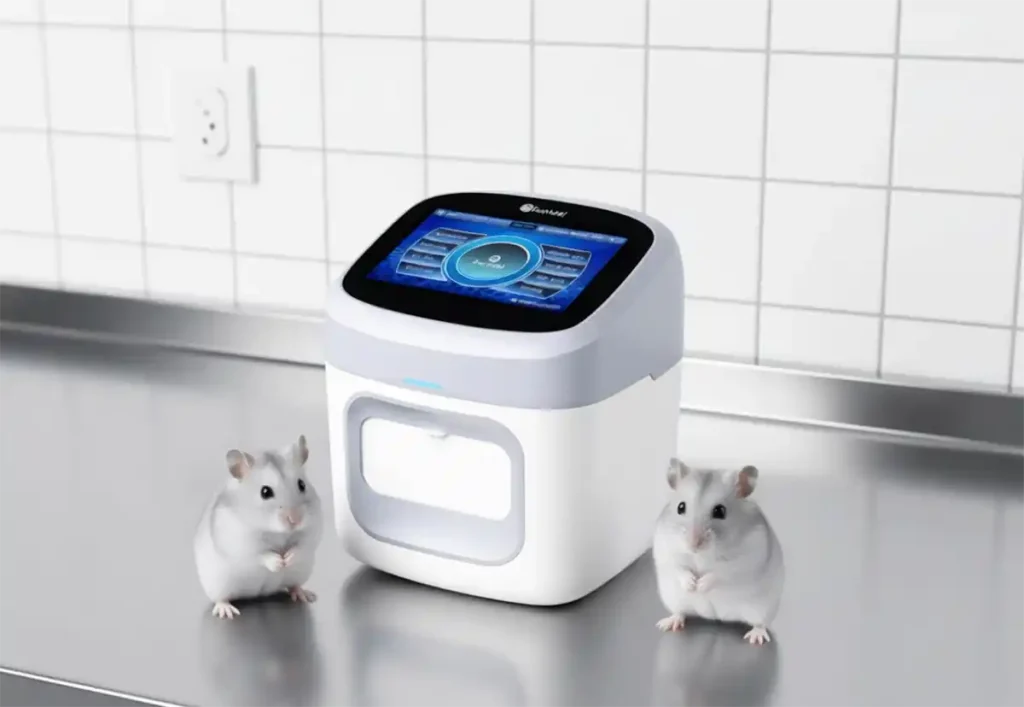
Figure 1: A bench-top analyzer returns hemoglobin, platelets and white-cell counts from a small pediatric sample within minutes.
Image title: Fully automatic hematology analyzer running a pediatric CBC from a fingertip sample in a rural child-health clinic | Alt text (web): CBC analyzer for malaria and anemia in children in a rural child-health clinic
Structured data: ImageObject schema for this image is provided in the Technical SEO & GEO Package below.
Design the Workflow Around Serial Monitoring
A child admitted with severe anemia needs a repeat hemoglobin to show recovery. Buying an analyzer is only worthwhile if the clinic can monitor trends, not just take one-off readings.
Speed, Reagents and Shelf Life
Low-throughput clinics must order reagents in quantities they can use before expiry. Choose instruments whose reagent pack sizes match a pediatric clinic’s weekly volume, and whose quality-control materials are simple to run. This is why the WHO Model List of Essential In Vitro Diagnostics emphasizes practical, maintainable tests for first-level facilities rather than flagship equipment.
Beyond Malaria: The Same Machine, Many Conditions
A child’s CBC is useful well beyond fever. It helps track CBC in chronic kidney disease management as families age in place, and it supports thalassemia monitoring with blood analyzers where inherited microcytic anemias overlap with malaria-endemic regions.
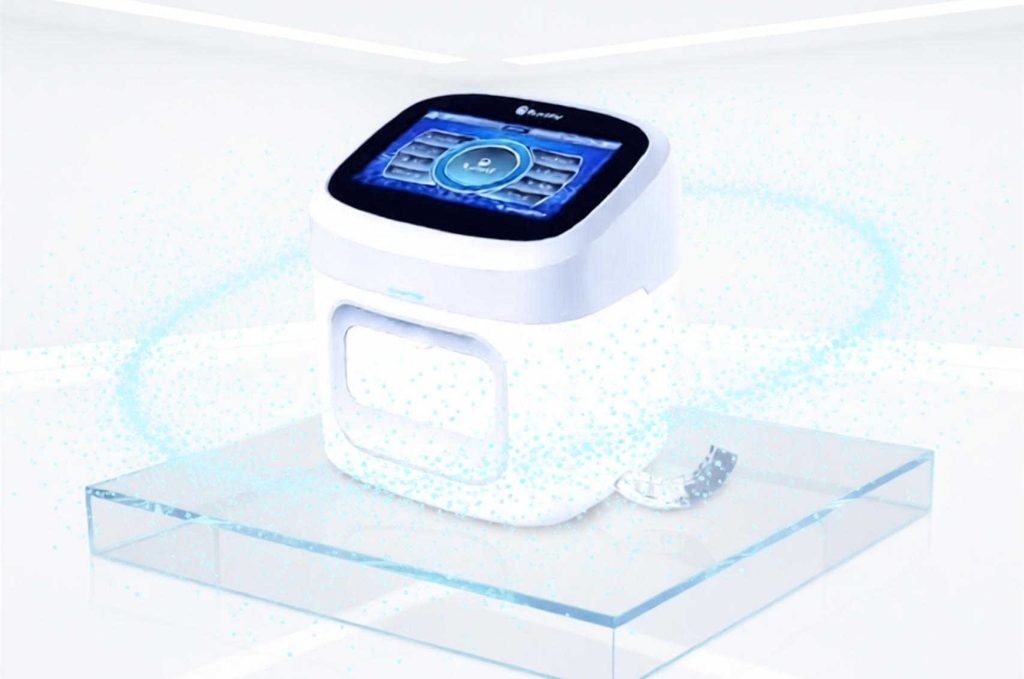
Figure 2: A portable analyzer extends pediatric CBC monitoring from the clinic bench to village child-health outreach sessions.
Image title: Portable multi-function analyzer for pediatric malaria and anemia outreach | Alt text (web): compact hematology analyzer for pediatric malaria anemia screening in rural villages
Structured data: ImageObject schema for this image is provided in the Technical SEO & GEO Package below.
Procurement Shortlist: What to Actually Ask Vendors
Engineers and procurement officers should run every candidate instrument through a child-clinic reality test rather than a spec-sheet comparison.
The Questions That Predict Success
Ask whether it accepts capillary samples, what its minimum sample volume is, how it tolerates heat and power fluctuation, how often it needs calibration, and how quickly spares arrive. Regulatory status closes the list: in the United States, a device’s market entry is recorded in the FDA’s 510(k) premarket notification database, the reference that confirms clearance before procurement.
A clinic that can answer each of these from the vendor, and then pilot the device on real pediatric samples before full purchase, will avoid the common fate of donated analyzers that sit unused.
Train the Team Before the Fever Season
The most carefully chosen analyzer fails without trained operators. Pediatric sampling, result interpretation and quality control should be rehearsed before the high-transmission weeks, when every mistake costs a child.
Pair the instrument with a named pediatric lead, a simple result chart for severity, and a clear referral threshold. When fever season arrives, the clinic should already be running smooth CBCs rather than learning on its sickest patients.
الأسئلة المتداولة
Why does a sick child need a CBC if a rapid malaria test is already available?
A rapid test shows malaria positivity, but not severity. The CBC measures hemoglobin to grade anemia, platelets to flag complications, and white-cell patterns to suggest coinfection. Together these decide admission, treatment and referral, which a rapid test alone cannot do.
Can a rural clinic run a CBC on a small child without venous blood?
Yes. Compact analyzers designed for pediatric care accept fingertip capillary samples of a few drops. This reduces distress and lets clinics test children who cannot tolerate venesection, provided staff are trained in sampling technique and prompt analysis.
What features matter most when buying an analyzer for a child-health programme?
Prioritize small capillary sample volume, rapid results, reagent pack sizes suited to low throughput, tolerance of heat and unstable power, and a clear training and service plan. The lowest purchase price often buys the highest total cost of ownership.
How is the CBC used after a child is treated for severe anemia?
Clinicians repeat the hemoglobin to confirm recovery and watch the platelet and white-cell trend for complications. Serial results over days show whether the child is improving, stable or deteriorating, and they guide the decision to discharge or refer.
Conclusion
Malaria-endemic rural clinics are asked to do more pediatric triage than ever, usually with less laboratory support than a city ward. The CBC analyzer is the tool that makes that task evidence-based rather than improvised.
Choosing the right instrument means choosing for small samples, serial monitoring and survival in a hot, low-resource clinic. It means training the team before fever season and buying against total cost rather than price tag.
The clinics that equip themselves this season will greet the next wave of sick children with a number in hand instead of a guess. For those children, that difference is the urgency.
Disclaimer
This article is provided for general informational and educational purposes only and does not constitute medical advice, diagnosis, or treatment. Laboratory testing must be performed by trained personnel in accordance with applicable regulations, manufacturer instructions and local law. Always consult a qualified healthcare professional for clinical decisions. Product names and capabilities described may vary by market and regulatory clearance. RunMei Health does not warrant that any device is suitable for a specific facility or jurisdiction without professional evaluation.