Follow a single district health center through its first year with on-site blood testing — and watch every corner of its practice change.
The clinic at the edge of the district served eleven thousand people across forty kilometers of farmland. Its laboratory was a single table, its diagnostic toolkit a microscope and a thermometer. Every blood test meant a journey: nurse draws sample, motorcycle carries it to town, results return two or three days later — when the motorcycle returns at all. The staff knew anemia was everywhere around them; the WHO estimates that a quarter of the world’s population is anemic. They just could not prove it in time to matter. Then the clinic received a compact automatic hematology analyzer, and the year that followed became a small revolution.
Month One: The Learning Curve That Wasn’t
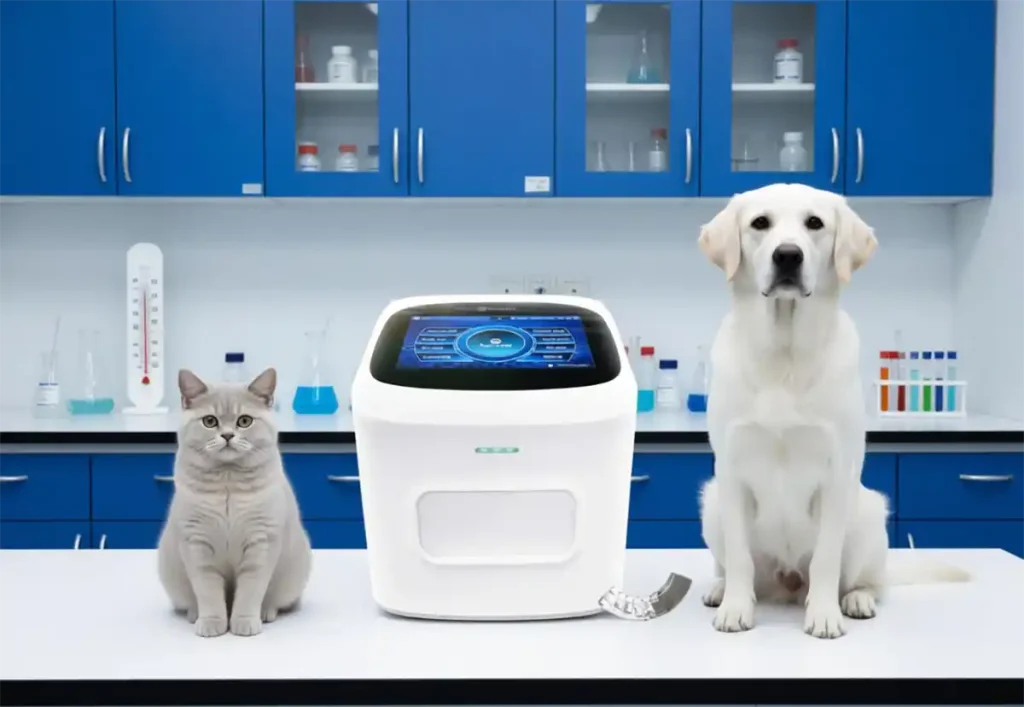
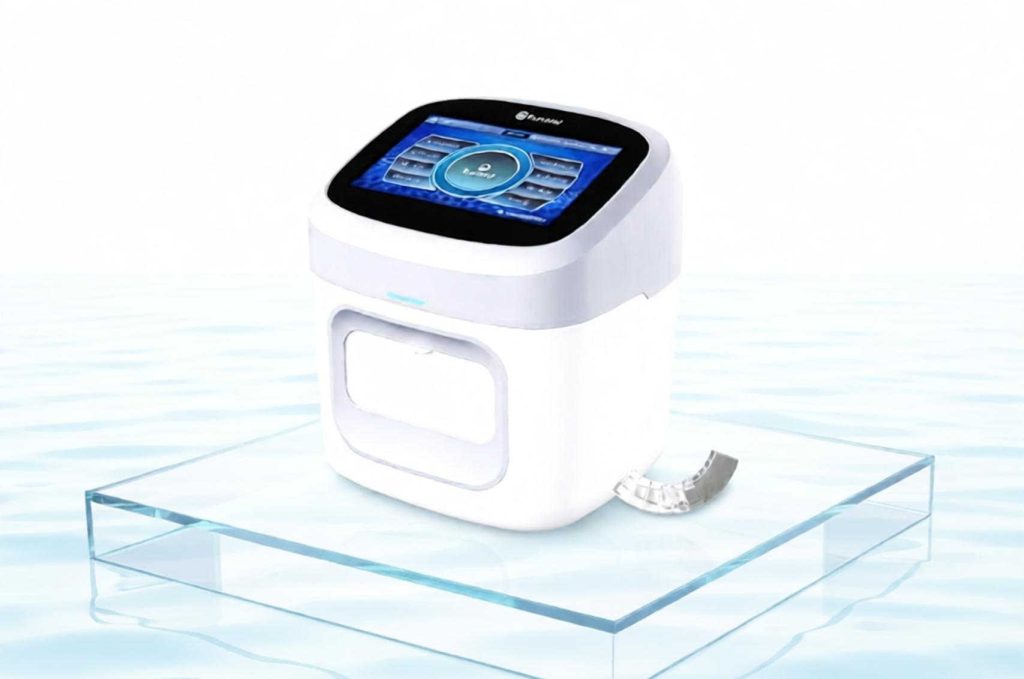
The first surprise was operational. The nursing staff, none of whom had formal laboratory training, were running complete blood counts within three days — not three months. The machine they received, a compact automatic hematology analyzer, required little more than loading a sample and reading the screen. The fear that “we are not laboratory people” evaporated almost immediately, because the device demanded competence, not certification. By the end of the first month, the clinic was averaging twenty CBCs per day, a number it had never imagined reaching through referral.
Month Three: The Anemia Screen That Found a Community
Three months in, the clinic ran a systematic screening week for pregnant women attending antenatal care. The results were not surprising to anyone who knows the WHO’s numbers: globally, 37 percent of pregnant women are anemic, and the prevalence in rural, low-income districts runs far higher. What was new was the response. Women who would previously have been sent home with vague advice now received a hemoglobin number, a severity classification and a treatment plan on the same visit. The anemia classification framework — built on MCV, MCH and MCHC — turned raw numbers into clinical action. Referrals for severe cases doubled, and for the first time they were referrals with a diagnosis attached.
Month Six: Fevers, Malaria and the End of Blind Treatment
The rainy season brought the fevers. Previously, every febrile child was a gamble: treat for malaria, treat for bacteria, or both — without knowing which was present. The clinic’s new portable multi-function blood analyzer enabled a white blood cell count and differential at the bedside of every suspicious case. Clinicians began distinguishing bacterial patterns from viral patterns, and from malaria, before committing to antibiotics. Antibiotic use in the clinic fell by roughly a third within one season — a result that any antimicrobial stewardship program would celebrate. The mothers noticed the difference too: children left the clinic with a result in their hands and a treatment that matched the evidence.
Month Twelve: The Economics Nobody Predicted
The financial ledger at year’s end surprised the district administrator most of all. The clinic had spent on consumables, but it had stopped paying for couriers, referral fees and — invisibly — the cost of patients who never returned for their results. The staff estimated that in-house testing had recovered more than two-thirds of the patients lost to follow-up in previous years, because the result arrived before the patient walked away. The buying mistakes that turn analyzers into paperweights — no training, no consumables budget, no workflow — were precisely the traps this clinic avoided by planning the machine as part of its daily rhythm rather than as a trophy. The analyzer paid for itself in patient trust, in clinical confidence and in the quiet arithmetic of referrals never made.
Conclusion
One device. One year. Eleven thousand patients whose clinic finally had a laboratory. The story of this district health center is not exceptional — that is precisely the point. The technology is proven, the training burden is modest and the clinical dividends are immediate. For every village clinic still sending its blood samples down the road, the question is not whether a compact analyzer would change the practice. It is what the practice is losing, every single day, by not having one.