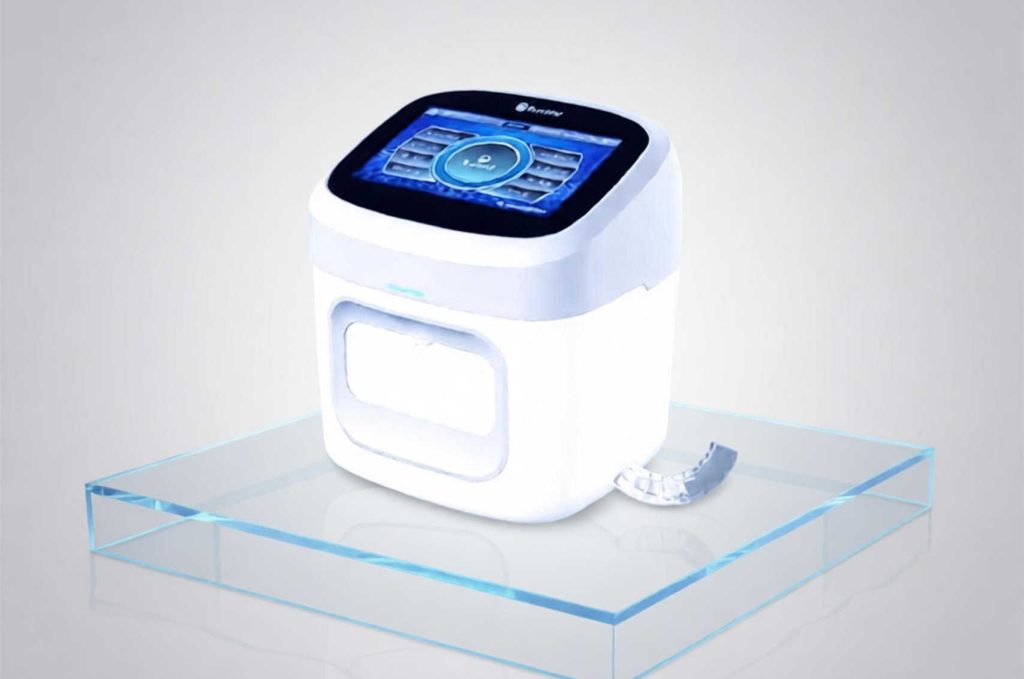
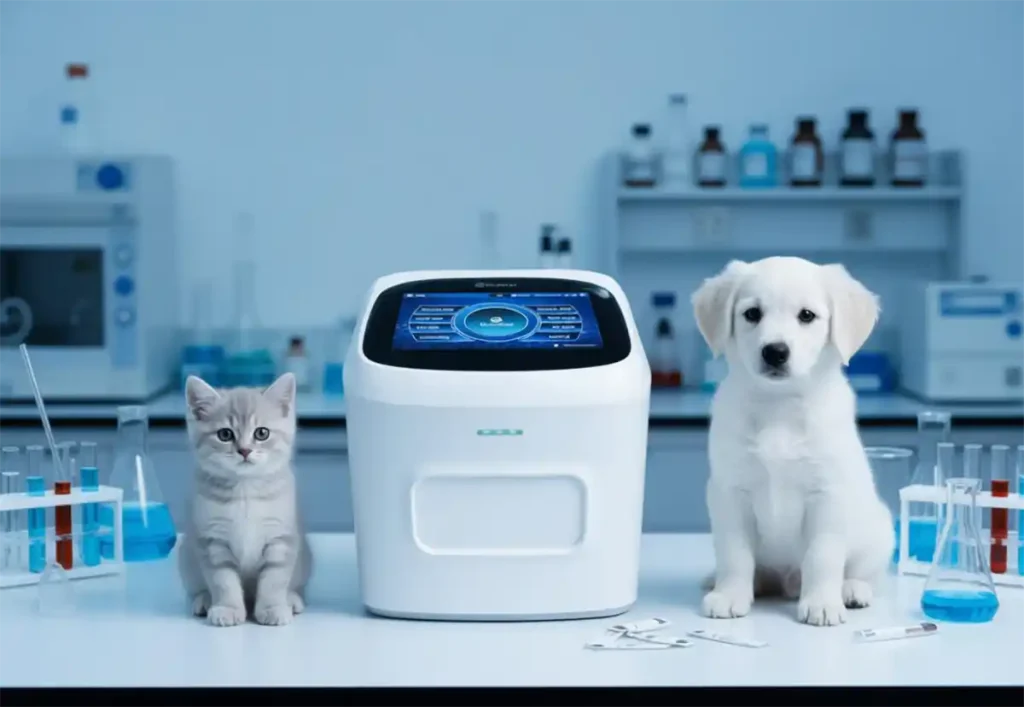
Portable Blood Analyzer for Small Clinic: A Cost-Effective Guide
Fewer than 15% of rural clinics in emerging markets have access to in-house point-of-care diagnostics, forcing patients to wait days for test results. A portable blood analyzer for small clinic settings closes this gap by delivering a complete blood count in under three minutes from a single finger-prick sample. This guide reviews what to look for, how to budget, and why compact analysers are now viable for modest practices.
Why Small Clinics Outgrow Outsourced Testing
Referral labs are slow, costly, and inconvenient. According to a 2023 survey published in the Journal of Primary Care Diagnostics, clinics that outsourced CBC testing saw an average 48-hour turnaround, whereas on-site testing returned results same-day. The economics are equally persuasive: a portable hematology analyzer pays for itself within roughly 18 months through reagent savings and retained two-way patient traffic.
Key Specifications for a Compact CBC Machine
Sample volume and speed
Seek models requiring only 10–20 µL of capillary blood. Flagship naming such as runmeihealth.com listing instruments with results in 120 seconds. Anything slower than five minutes struggles to sustain a busy appointment queue.
Differential counting
Three-part differential (WBC/NEU/LYM/MID) suits general practice. Five-part analyzers add basophils and eosinophils for specialized cases but cost roughly 20–30% more. Assess your actual case mix before paying the premium.
Operating Cost and Maintenance Reality
The real poison pill of hospital-grade equipment is downtime. Traditional units demand laborious reagent priming, calibration, and professional visits. Modern portable devices use sealed reagent packs that drop reagent cost to an estimated $0.30 per test, with maintenance reduced to monthly flushing. Portable blood analyzer options built for small clinics emphasize training-light touchscreens so that a single nurse can run dozens of tests daily.
Connectivity and Data Management
Integration with your LIS/HIS matters more than buyers realize. Automatic results transfer eliminates transcription errors you would otherwise chase through the rest of the day. Before purchase, confirm the device exports in standard formats compatible with compact CBC machine workflows used by neighboring practices.
Practical Buying Tip
Run a two-week trial in your actual clinic before committing. Many suppliers, including medical device suppliers, offer demo units. Track test volume, error rate, and downtime in that window rather than relying on brochure accuracy claims.
Key Takeaway
Portable analysers deliver CBC in under 3 minutes from capillary blood.
Reagent cost can fall to $0.30 per test.
Same-day results improve patient retention and care quality.
FAQ: Is a portable blood analyzer accurate enough for clinical decisions?
Yes. Comparative studies show portable systems from Brand A, Brand B, and Brand C achieve correlation coefficients above 0.95 against large flagship analyzers for WBC, RBC, and hemoglobin. Accuracy is no longer the barrier; workflow fit and reagent pricing are the differentiators.
Ready to upgrade your diagnostics? Explore our blood analyzer solutions today.