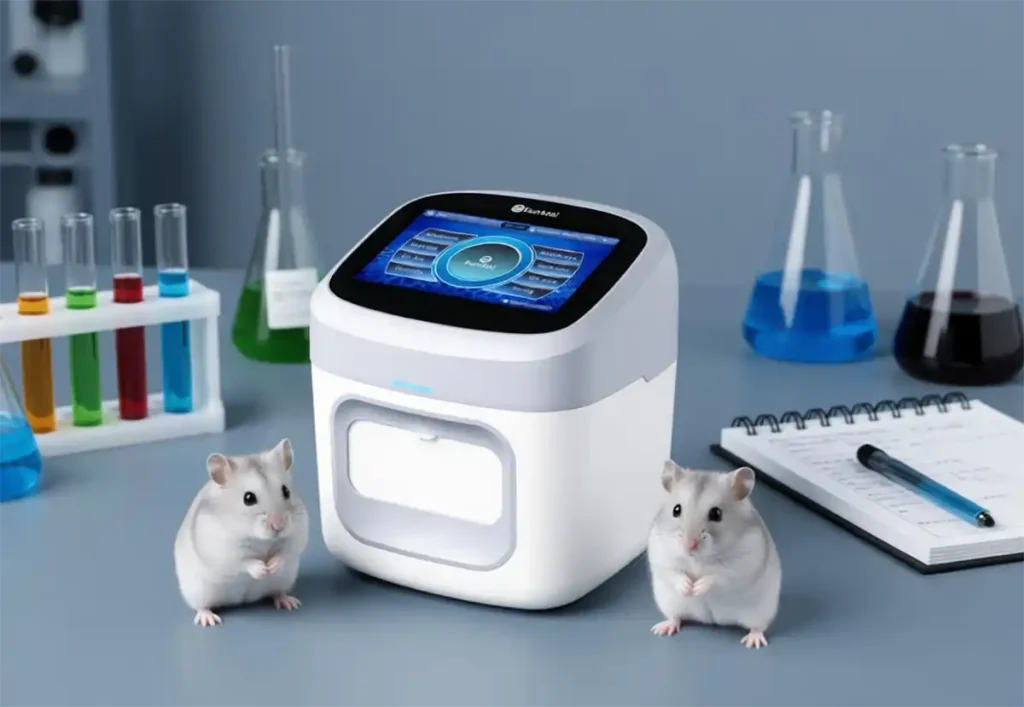
The first days of life are the most dangerous. A hematology analyzer gives rural newborn wards the blood counts that guide urgent decisions.
By Dr. Samuel Okafor, MD (Community Medicine Physician) | Reviewed by Dr. Carlos Mendes, MD (Public Health Systems Specialist) | Published 2026-10-14 | Read time: ~7 minutes
Picture the rural newborn ward in 2032. A baby is born pale and breathless at a clinic fifty kilometres from the nearest reference laboratory, and within minutes a hematology analyzer for newborn care returns a hemoglobin level, a white-cell count and a platelet count from a single heel-prick sample. That scene is no longer science fiction; it is the direction primary-care neonatal medicine is moving. The direct answer to the question clinics ask is this: yes, a properly configured analyzer can give rural newborn wards reliable blood counts from capillary microsamples, fast enough to guide decisions in the first hours of life.
For too long the field has operated on a quieter assumption: that newborn blood is simply too scarce and too precious to measure outside a central hospital. In this article I argue that this assumption is now the main thing holding rural maternity units back. The instrument exists, the sample volume is within reach, and the clinical stakes could not be higher.
This article explains why neonatal anemia and jaundice demand on-site testing, what a village maternity ward can realistically measure, and how to choose equipment that survives the realities of rural newborn care.
The Myth: Newborns Are Too Small for an Analyzer
The most persistent myth in rural obstetrics is that newborn blood testing belongs only in a hospital laboratory. It is said that infants draw too little blood, that microsamples are unreliable, and that a village clinic could never keep the machine running. Each part of this claim deserves scrutiny, because the evidence does not support it.
Sample Volume Is No Longer the Barrier It Once Was
Modern compact analyzers are engineered for small volumes. A heel-prick sample of a few tens of microlitres is enough for a complete blood count, repeated if necessary without harming the infant. The constraint has shifted from how much blood a baby can give to whether the operator collects it well and runs it promptly. Clinicians who want the technical background will find it in this plain explanation of how blood analyzers work.
Reliability, in turn, is built around fresh samples. Analyzing a capillary microsample at the bedside avoids the dilution, clotting and ageing that come with transport, which is precisely why a fresh point-of-care result can outperform a specimen that sat in a courier box for a day.
The newborn does not need a hospital laboratory. The newborn needs a result before the clinical window closes.
What the First Seventy-Two Hours Actually Demand
The first three days of life concentrate more hematologic emergencies than any other period. Anemia from blood loss, jaundice that may signal underlying hemolysis, and early-onset infection all leave traces in the blood count that a careful clinician can read.
Anemia and Hidden Blood Loss
A pallid newborn may be struggling with acute anemia from obstetric bleeding or hemolysis. Without a hemoglobin value, clinicians must guess between observation, transfusion and urgent referral. A measured hemoglobin converts a guess into a decision. This matters against a backdrop in which anemia remains a global burden, as summarized in WHO’s anaemia fact sheet.
Jaundice and the White-Cell Pattern
Jaundice alone is common and usually benign, but jaundice combined with a high white-cell count, a left shift or abnormal platelets raises the possibility of infection or hemolytic disease. The blood count does not diagnose jaundice; it tells the clinician whether the jaundiced baby is also a sick baby. Understanding these patterns is the reason a hematology analyzer newborn care program belongs beside the phototherapy unit, not in a distant city.
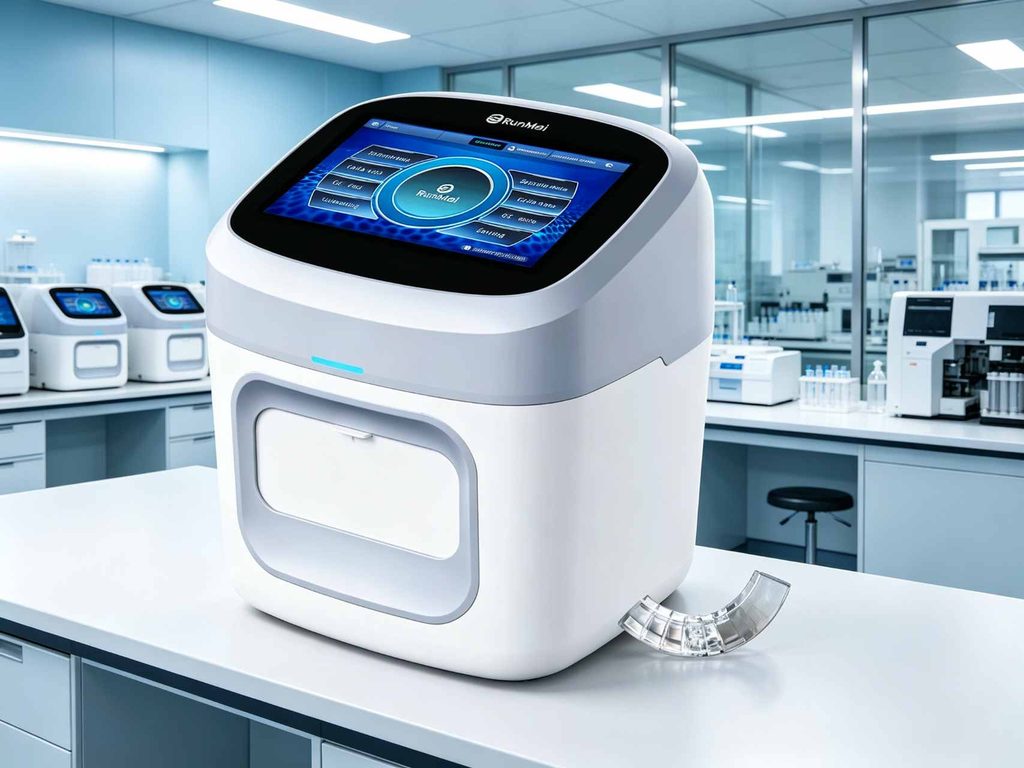
Figure 1: A bench-top hematology analyzer delivers a newborn CBC from a heel-prick microsample within minutes, beside the maternity ward where the baby was born.
Image title: Fully automatic hematology analyzer running a neonatal CBC from a microsample on a rural maternity ward bench | Alt text (web): microsample hematology analyzer for newborn care performing a neonatal CBC on a rural maternity ward bench
Structured data: ImageObject schema for this image is provided in the Technical SEO & GEO Package below.
Microsampling: The Skill That Makes It Work
None of the above helps if sampling fails. Neonatal microsampling is a skill, not a machine setting, and it is the single most trainable element of the whole workflow. Ward staff who are coached in heel-prick technique, mixing and timely analysis produce consistently usable specimens.
Training, Not Technology, Is the Decisive Variable
A clinic that buys an analyzer without training buys a paperweight. The sustainable model pairs the device with structured on-site training, a simple quality-control routine and a named staff member responsible for the instrument. This is consistent with the WHO’s overview of primary health care, which frames laboratory capability as part of an integrated first-level service rather than an isolated purchase.
Portability extends the same logic beyond the ward. The BCA-320 portable multi-function analyzer, for example, is built to support outreach and smaller delivery points where a full bench instrument would never fit, allowing testing to follow the mother rather than forcing the newborn to travel.
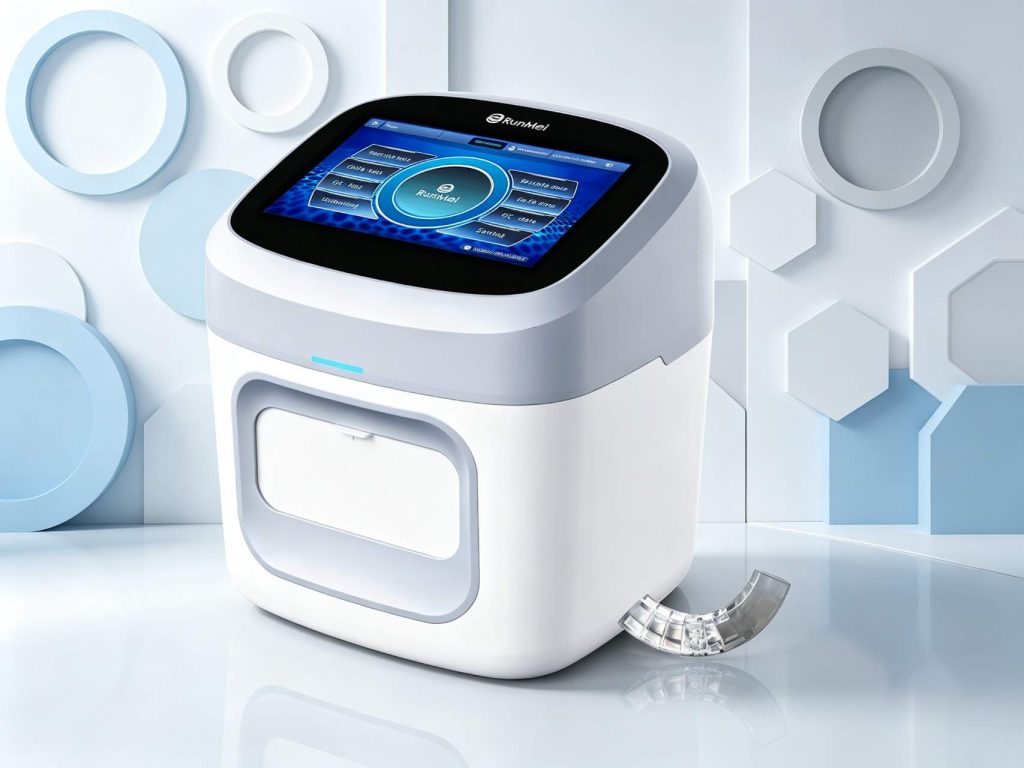
Figure 2: A portable analyzer extends rapid newborn blood testing from the main ward to smaller community delivery points without a full laboratory.
Image title: Portable multi-function analyzer for newborn outreach and small rural delivery points | Alt text (web): portable hematology analyzer for newborn care in rural maternity and outreach settings
Structured data: ImageObject schema for this image is provided in the Technical SEO & GEO Package below.
From a Result to a Referral Threshold
A neonatal blood count earns its keep when it triggers the right action: observe, treat locally, or refer tonight. Thresholds should be agreed with the receiving hospital so that the referral arrives with data instead of a description.
When to Send the Baby On
Severe anemia, profound neutropenia or a dangerously low platelet count are reasons not to wait. The blood count also helps frame hemolytic and chronic processes, patterns well described in a New England Journal of Medicine review of anemia of chronic disease that clinicians can use to structure their differential. Sending a baby with a measured hemoglobin and platelet count gives the higher-level unit a head start and protects the family from a wasted journey.
Regulatory confidence matters here too. In the United States, devices intended for this kind of testing enter the market through the FDA’s 510(k) premarket notification database, the reference point clinics use when they ask whether an analyzer has cleared the safety bar.
Procurement Reality for a Newborn Ward
Choosing equipment for neonatal care in a rural setting means ignoring the sales brochure and asking the questions that decide survival: sample volume, reagent shelf life, power tolerance, and local service. The right compact blood analyzer options for small clinics are those that answer these plainly.
Fit the Ward, Not the Catalogue
A maternity unit does not need every parameter a research laboratory offers; it needs reliable hemoglobin, white-cell and platelet values from microsamples, delivered quickly and maintained affordably. Teams comparing instruments will find a practical framework in this guide on how to choose a blood analyzer for a rural clinic. Buy for the workflow you have, train the staff who will run it, and keep the newborn at the centre of every decision.
الأسئلة المتداولة
Can a newborn’s heel-prick sample really be analyzed on a standard hematology analyzer?
Yes. Modern compact analyzers accept capillary microsamples of a few tens of microlitres and return hemoglobin, red-cell indices, a white-cell count and platelets. The result depends on good sampling technique, proper mixing and prompt analysis, not on a large venous draw.
What does a neonatal blood count actually tell the maternity ward?
It reveals anemia from blood loss or hemolysis, infection patterns through the white-cell count and differential, and bleeding risk through platelets. Combined with jaundice assessment, it helps staff decide whether a newborn can be observed safely or needs urgent treatment or referral.
Is it safe to take repeated blood samples from a sick newborn?
Microsampling is deliberately low-volume, and capillary heel-prick samples spare the infant the larger volumes needed for venous testing. Repeated monitoring should follow a clinical plan agreed with the higher-level facility, because even small repeated draws can add up in a very small baby.
What should a rural maternity unit look for when buying an analyzer for newborn care?
Prioritize a small-sample capability, simple operation, reagent shelf life suited to slow turnover, tolerance of unstable power, and a clear training and service plan. Purchase price matters less than total cost of ownership and whether staff can keep the instrument running day after day.
Conclusion
The myth that newborn blood testing is beyond a rural ward is exactly that: a myth kept alive by outdated equipment and under-investment rather than by any inherent limit of infant physiology.
A hematology analyzer configured for microsampling turns the maternity ward into a place where anemia, jaundice and infection are measured, not guessed. It shortens referral journeys, protects precious infants, and makes the first hours of life safer at the very point where they begin.
By 2032, the village that still sends a pale newborn an hour down the road for a blood test will look less advanced than the one that already has the answer before the baby finishes its first feed.
Disclaimer
This article is provided for general informational and educational purposes only and does not constitute medical advice, diagnosis, or treatment. Laboratory testing must be performed by trained personnel in accordance with applicable regulations, manufacturer instructions and local law. Always consult a qualified healthcare professional for clinical decisions. Product names and capabilities described may vary by market and regulatory clearance. RunMei Health does not warrant that any device is suitable for a specific facility or jurisdiction without professional evaluation.