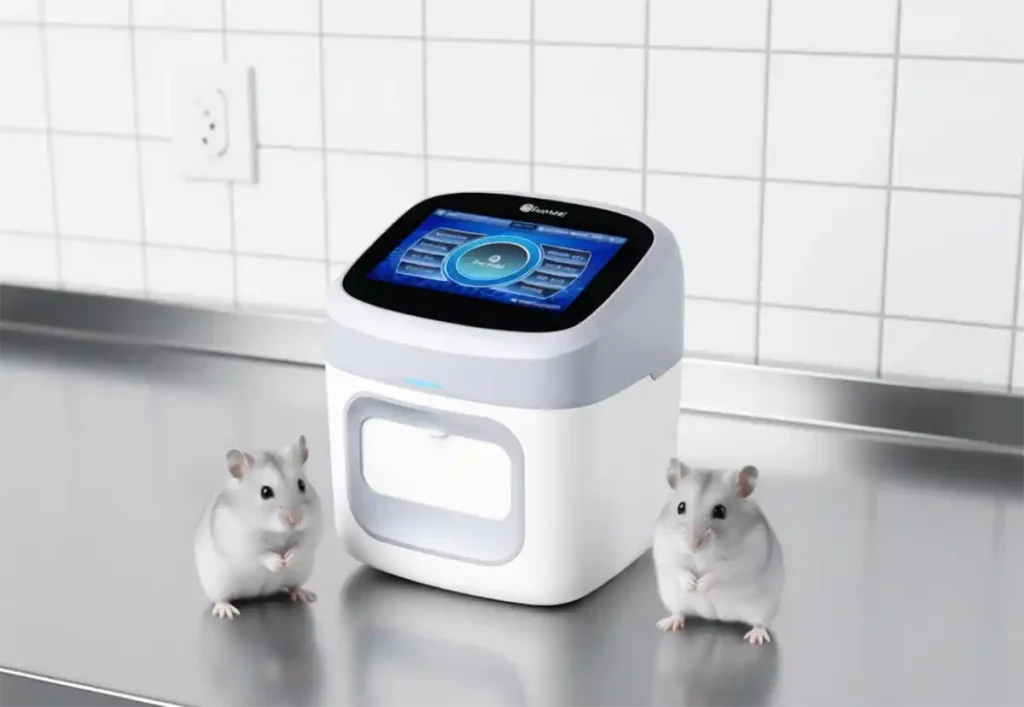
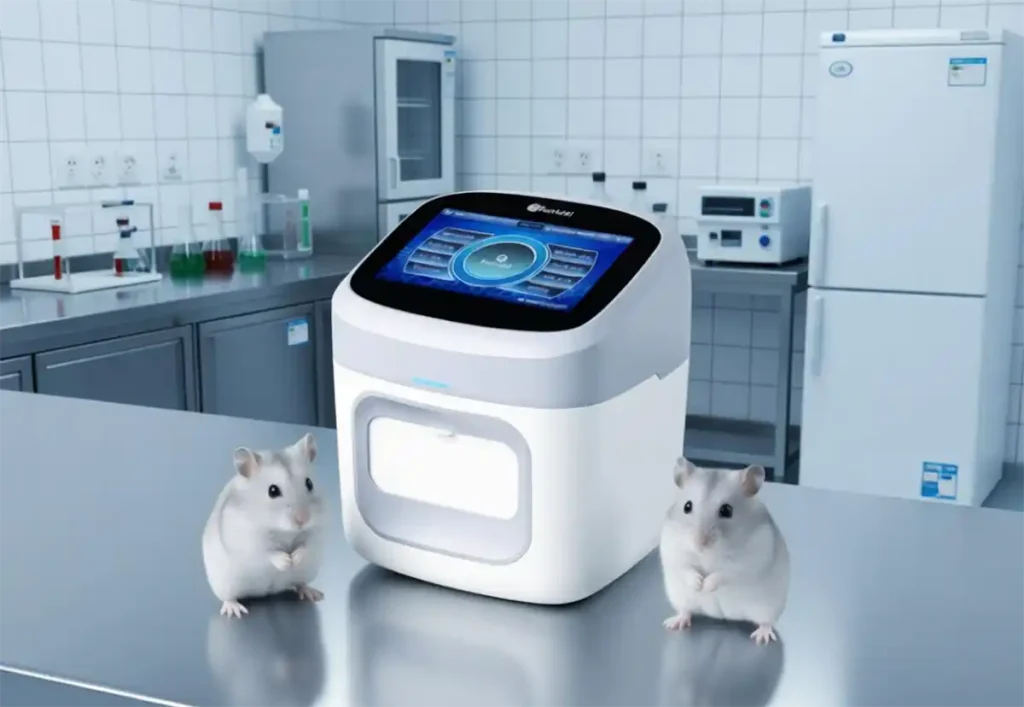
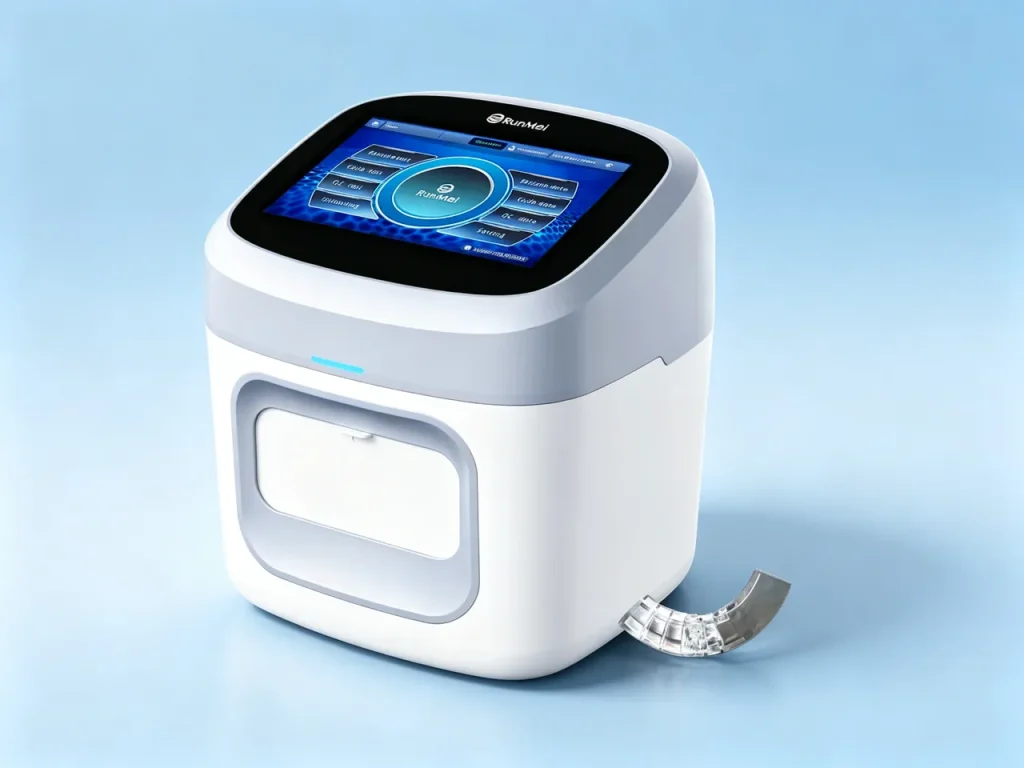
Meta Title (≤60 chars): How to Choose the Right Hematology Analyzer for a Rural Clinic: A 12-Point Checklist
Meta Description (≤155 chars): Choosing a hematology analyzer for a rural clinic? Compare throughput, reagent costs, power needs, service support and more with this practical checklist.
Target Keywords: choosing hematology analyzer rural clinic, hematology analyzer buying checklist, blood analyzer selection guide, clinic blood analyzer requirements
By RunMei Health Editorial Team | Published: September 18, 2026 | Reading time: ~6 min
You are about to spend several thousand dollars on a machine that will sit in the corner of your laboratory for the next five to ten years. Get the choice wrong and you own an expensive paperweight; get it right and it quietly pays for itself in better care and lower costs. Here is the checklist we wish every rural clinic had before signing a purchase order — twelve questions, in order of importance, that separate the analyzer that thrives from the one that collects dust. A checklist is the memory of a disciplined buyer: it converts the intimidating variety of analyzer specifications into a sequence of verifiable questions, and it ensures that the machine which arrives is the machine that was promised. For rural clinics — where the purchase may be a decade’s commitment — the checklist is not administrative theater; it is risk management. WHO’s primary health care framework puts essential diagnostics at the core of first-level care, which is exactly the service the checklist protects
Know Your Workload Before You Look at Machines
Every other decision follows from volume. Count the CBCs your clinic runs per week now, and project three years ahead. A clinic doing ten tests a day needs a different instrument from one doing a hundred. Throughput, reagent consumption, and operator time all scale with the queue — an oversized analyzer wastes money, and an undersized one creates backlogs that undermine the point-of-care advantage.
Also count your non-CBC ambitions: will you add biochemistry, or pair the analyzer with rapid tests? A multi-function strategy may justify a system that covers both, but only if the added complexity is matched by training and demand. RunMei’s complete guide to hematology analyzers for modern labs covers the full feature landscape.
The 12-Point Checklist
- Throughput: samples per hour must clear your daily peak queue with margin.
- Sample volume: small-volume draws matter for pediatric and elderly patients.
- Parameters: 19–25 parameters including a differential suitable for your disease burden.
- Reagent system: count the reagents, their shelf life, and cold-chain needs.
- Consumable cost per test: the real monthly bill, not the brochure price.
- Power tolerance: voltage fluctuation and brownouts are normal in many rural grids.
- Battery/solar option: essential if outages are frequent or the grid is absent.
- Operation simplicity: touchscreen, guided workflow, minimal steps per sample.
- Training included: how many staff get trained, and for how long.
- Service and spare parts: response time and parts availability in your region.
- Data output: printer, USB, and laboratory/EMR connectivity for reporting.
- Total cost of ownership: service contracts and consumables over five years.
Score each candidate against these twelve points in your own context. A machine that scores ten out of twelve in a district hospital may score five in a village health post, because power reliability and service distance count differently. WHO’s Essential Diagnostics List reminds countries that diagnostic choices must match the level of the health system where they will be used.
The Three Choices That Matter Most
3-Part or 5-Part Differential
A 3-part differential groups white cells into lymphocytes, mixed cells, and granulocytes — enough for most primary-care decisions. A 5-part differential separates neutrophils, lymphocytes, monocytes, eosinophils, and basophils, adding diagnostic power for allergies, parasites, and hematological follow-up. Choose based on disease burden and staff ability to use the extra information.
Fully Automatic or Semi-Automatic
Fully automatic analyzers handle dilution, mixing, and counting internally — fewer steps, fewer errors, faster operation. Semi-automatic models are cheaper but demand more operator precision. For clinics with limited staff, the fully automatic route usually wins on reliability.
Reagent-Free or Conventional
Reagent-free technologies remove the largest recurring cost and the coldest link in the supply chain. Where reagent logistics are fragile, this can be the difference between a working analyzer and a shelf ornament. Why a reagent-free hematology analyzer is the opposite of everything slowing your lab down.
Do Not Buy on Brochure: Ask These Questions in Writing
Ask the supplier for written answers on warranty terms, response time for service, spare-parts availability for five years, reagent pricing locked for two years, and training commitments. Then ask for a reference clinic of similar size to yours that has run the instrument for at least a year. Their experience — not the brochure — is your best evidence. The accuracy and total-cost review for decision-makers gives you the technical questions to put to any vendor.
Finally, look at the instrument family itself. A suits outreach and small clinics, while the suits steady clinic workloads — matching the machine to the mission, not the other way around.
The Specifications That Actually Matter
Manufacturers publish impressive parameter lists, and most of them matter less than a handful of fundamentals. The parameters that deserve scrutiny are the ones that determine whether the instrument serves the clinic’s real workload: the sample volume (does it serve pediatric and fragile patients?), the throughput (does it clear the morning peak?), the parameter set (does it include the indices and differential the clinicians actually use?), and the consumables structure (what does a month of operation really cost?). A machine that scores well on brochure specifications but poorly on these four questions will disappoint precisely where it was expected to deliver.
The second tier of specifications matters for the rural environment specifically: power tolerance, temperature range, reagent shelf life, and the availability of local service. These are the specifications that decide whether the analyzer survives its setting — and they are the ones most often omitted from marketing materials, because they are the ones most often taken for granted.
Verifying the Promises
Every claim on the datasheet should be verifiable: reference users who can confirm real-world performance, validation data against international standards, a written service commitment with response times, and a price structure that covers consumables transparently. The buyer who verifies the promises before purchase avoids the negotiations that follow a disappointment.
The checklist’s final item is the most important: the plan for the instrument’s first ninety days — installation, training, quality baseline, and controlled launch — because a purchase is not the end of the decision but the beginning of the implementation. The buyer-mistakes article maps the verification failures that the checklist prevents .
Key Takeaways for the Rural Clinic
The checklist converts procurement from a hope into a process: verify the sample volume against the pediatric and fragile patients the clinic serves, size the throughput to the measured peak, confirm the parameter set the clinicians actually use, price the consumables honestly, and document the service commitment in writing. The second tier — power tolerance, temperature range, reagent shelf life, local service — decides whether the instrument survives its setting. The clinic that scores both tiers before purchase is the clinic whose analyzer still runs when the brochure promises are forgotten.
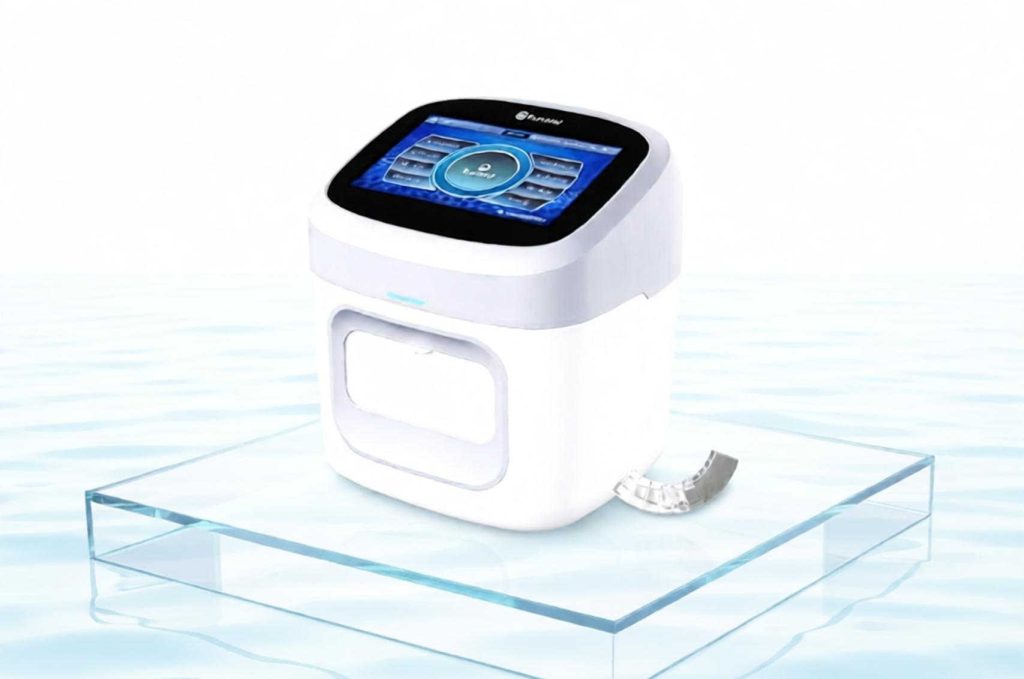
Figure 1: Evaluating an automatic hematology analyzer against a rural clinic’s real workload, power, and service realities.
| Recommended File Name | runmei-automatic-hematology-analyzer.jpg |
| Image Title | Automatic hematology analyzer evaluated for rural clinic purchase |
| Alt Text (keyword-rich) | automatic hematology analyzer being evaluated for purchase by a rural clinic laboratory |
| Image Caption | Evaluating an automatic hematology analyzer against a rural clinic’s real workload, power, and service realities. |
| Structured Data | ImageObject JSON-LD embedded in Article schema (see Structured Data section) |
| Format / Size | JPEG, 1200×900, ~65-90 KB, lossless web-optimized |
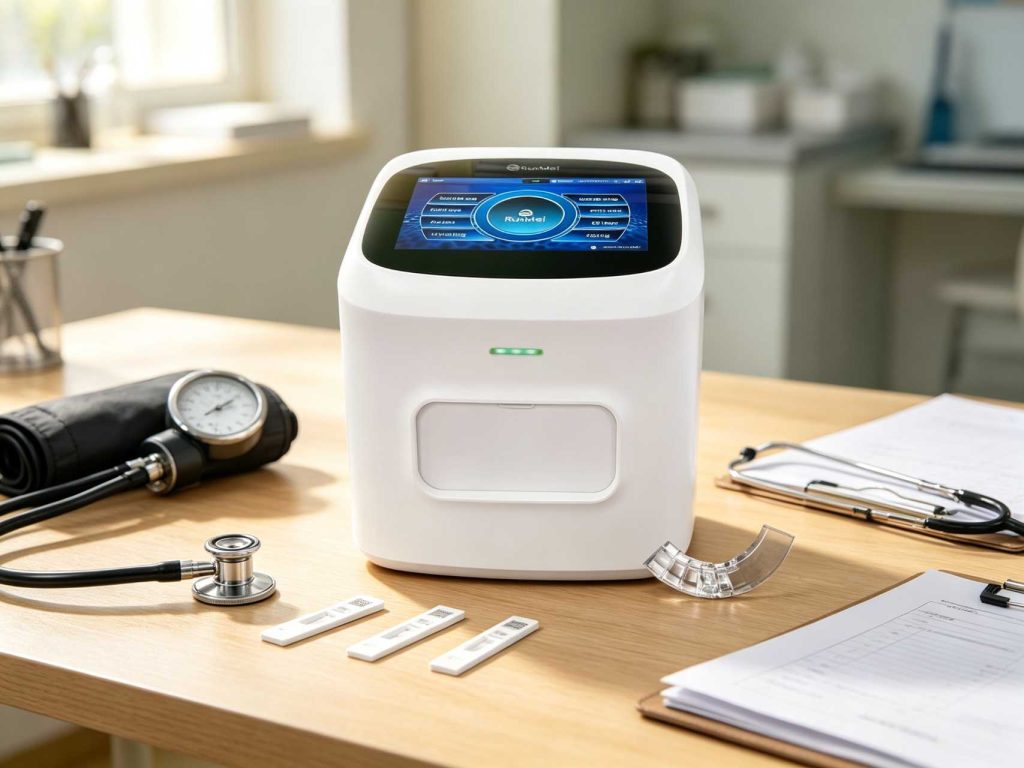
Figure 2: Portable blood analyzers widen the choice set for clinics with outreach missions or limited bench space.
| Recommended File Name | runmei-portable-multi-function-analyzer.jpg |
| Image Title | Portable blood analyzer option for small and mobile rural clinics |
| Alt Text (keyword-rich) | portable blood analyzer option for small rural clinics and mobile outreach teams |
| Image Caption | Portable blood analyzers widen the choice set for clinics with outreach missions or limited bench space. |
| Structured Data | ImageObject JSON-LD embedded in Article schema (see Structured Data section) |
| Format / Size | JPEG, 1200×900, ~65-90 KB, lossless web-optimized |
Choosing a hematology analyzer is a decision about your clinic’s future, made once and lived with for years. Work the checklist, challenge the vendors, and match the machine to your real world — power, staff, reagents, and service included. The right analyzer is not the most impressive one in the catalog; it is the one that still runs, reliably and affordably, on the day your clinic needs it most.
الأسئلة المتداولة
What is the most important factor when choosing a hematology analyzer for a rural clinic?
Matching the instrument to real workload, infrastructure, and support. Throughput must clear your daily queue, the analyzer must tolerate your power supply, and service must be reachable — a technically superior machine you cannot maintain is the wrong machine.
Is a 3-part or 5-part differential analyzer better for a rural clinic?
A 3-part differential covers most primary-care needs at lower cost; a 5-part differential adds diagnostic detail for allergies, parasites, and hematology follow-up. Choose based on disease burden and staff capacity to use the extra data.
What hidden costs should a rural clinic budget for?
Reagents and controls (the main recurring cost), maintenance and service contracts, spare parts, calibration, training refreshers, and power protection such as stabilizers or batteries. These should be projected over five years, not one.
Should a rural clinic buy a reagent-free or conventional blood analyzer?
Reagent-free analyzers eliminate the largest recurring cost and the coldest supply-chain link, making them attractive where logistics are fragile. Conventional systems may offer lower entry price. Compare five-year total cost in your region before deciding.
References and Sources
- Authoritative sources cited in this article:
- Related RunMei Health resources referenced in this article:
[L1] RunMei’s complete guide to hematology analyzers for modern labs covers the full feature landscape
[L2] Why a reagent-free hematology analyzer is the opposite of everything slowing your lab down
[L4] The buyer-mistakes article maps the verification failures that the checklist prevents
Disclaimer
This article is provided for informational and educational purposes only and does not constitute medical advice, diagnosis, or treatment. Always consult a qualified healthcare professional for clinical decisions. Product names, performance figures, and regulatory statements are provided in good faith based on publicly available information and manufacturer documentation at the time of writing; verify current specifications, clearances, and country-specific registration status with the manufacturer or your local regulatory authority before purchase or use. Mention of any third-party organization (FDA, WHO, NEJM, and others) refers to their publicly published materials and does not imply endorsement of any product or company. RunMei Health is a manufacturer of in vitro diagnostic analyzers; information in this article may reference RunMei products and should be evaluated accordingly.
Body word count: 1193 words (target range 1000–1400) | Total including FAQ: 1382 words