Pesticide exposure, hard labor and poor nutrition leave their marks in the blood. Rural occupational screening can read them early.
By Dr. Grace Mwangi, MBChB, MPH (Global Health Program Lead) | Reviewed by Prof. James Whitfield, PhD (Laboratory Quality & Accreditation Expert) | Published 2026-10-23 | Read time: ~7 minutes
‘I feel fine,’ the farm worker said, wiping soil from his hands. Then the hemoglobin result showed otherwise: a count far below what a healthy man his age should carry, quietly eroding his strength and his earnings. This is the starting point for occupational blood screening agriculture programs rely on — workers who feel well but whose blood tells a different story.
Agricultural and agro-industrial work carries real health risks: pesticide exposure, physically demanding labor, heat, and often poor nutrition. A CBC detects the blood-borne signals early. This checklist-driven guide walks through what to screen, when, how, and what equipment a rural occupational health program needs to deliver it well.
Why Farm Workers Miss the Early Signs
Farm workers rarely seek care until symptoms are obvious, and by then anemia or the effects of chemical exposure have advanced. Poor nutrition, parasitic burden and long hours compound the problem. WHO’s anaemia fact sheet documents that anemia is common in working-age rural populations, where it drains productivity and household income.
Routine occupational screening turns this around: a scheduled CBC finds the quiet abnormalities before the worker collapses, before harvest season, or before a small problem becomes a lost season. It is preventive medicine for the people who feed a whole region.
The economic case is as strong as the clinical one. An anemic worker is a less productive worker, and an untreated illness costs the employer through absenteeism and turnover. A screening program that catches anemia early returns the worker to full strength and reduces the disruptions that come from unplanned sick leave. For farms and agro-industries, the CBC is both a health measure and a workforce investment.
What the CBC Checks in Occupational Health
The CBC is a compact occupational surveillance tool. Hemoglobin flags anemia from poor nutrition, blood loss or chronic disease. The white-cell count and differential signal infection or the effects of chemical exposure. Platelets and red-cell indices add clues about overall health. Pesticide exposure CBC monitoring is not a specific test for a single chemical, but it provides a baseline and trends that flag abnormal blood patterns worth investigating.
Anemia in Agricultural Workers
Anemia in farm workers is among the most common and most fixable findings. As a New England Journal of Medicine review of microcytic anemia explains, a small-cell pattern often points to iron deficiency, giving programs a clear treatment path. Underlying conditions such as sickle cell trait also matter, which is why sickle cell screening with a blood analyzer belongs in broader worker health checks.
An occupational CBC is not a diagnosis of exposure. It is the baseline that makes an abnormal trend visible.
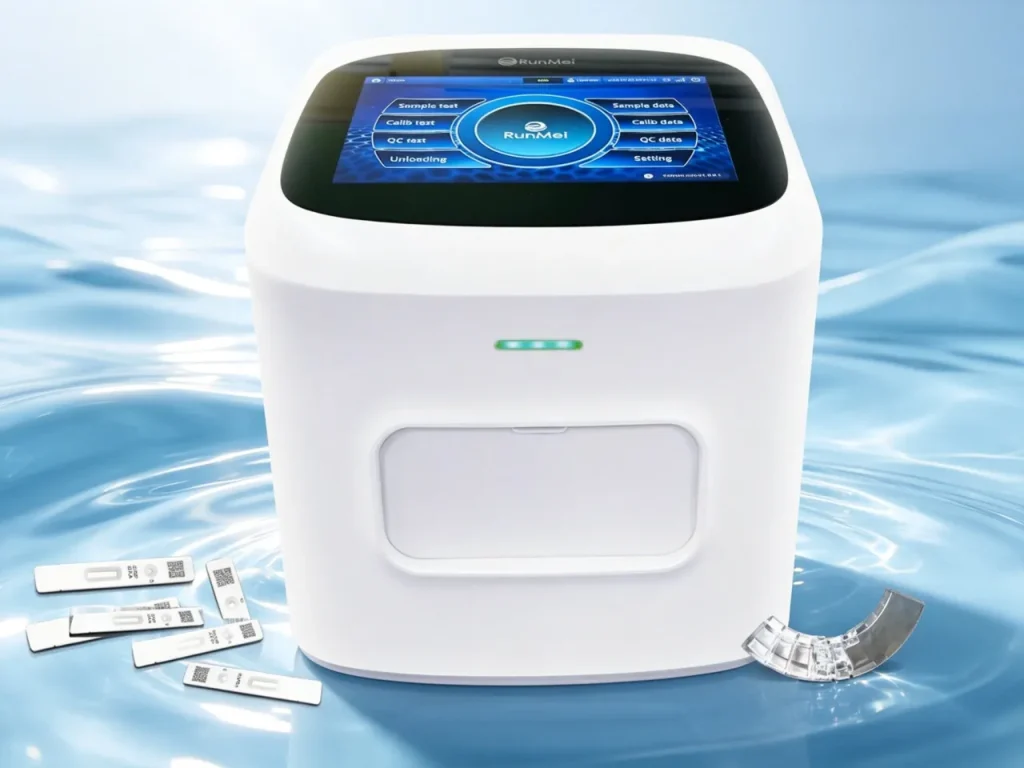
Figure 1: A compact analyzer delivers the CBC that flags anemia and abnormal blood patterns in farm workers.
Image title: Hematology analyzer on site for agricultural worker health screening | Alt text (web): hematology analyzer for occupational blood screening in rural agriculture
Structured data: ImageObject schema for this image is provided in the Technical SEO & GEO Package below.
The Agricultural Screening Checklist
A practical program runs screening at defined moments. Use this checklist to structure worker care:
• Pre-employment: baseline CBC for every new worker, recorded with role and chemical exposures.
• Periodic: repeat CBC at scheduled intervals (at least annually), so trends can be compared.
• Symptom-triggered: immediate CBC for fatigue, pallor, breathlessness, fever, or unusual bruising or bleeding.
• Seasonal peak: screen before the busiest harvest or spraying season, when illness is costliest.
• Follow-up: re-test after treatment to confirm the count has recovered.
Keep the results with each worker’s record and flag abnormal values for review. CBC testing in pediatric pneumonia triage shows how structured, threshold-based blood testing sharpens clinical decisions — the same discipline applies to adult occupational screening.
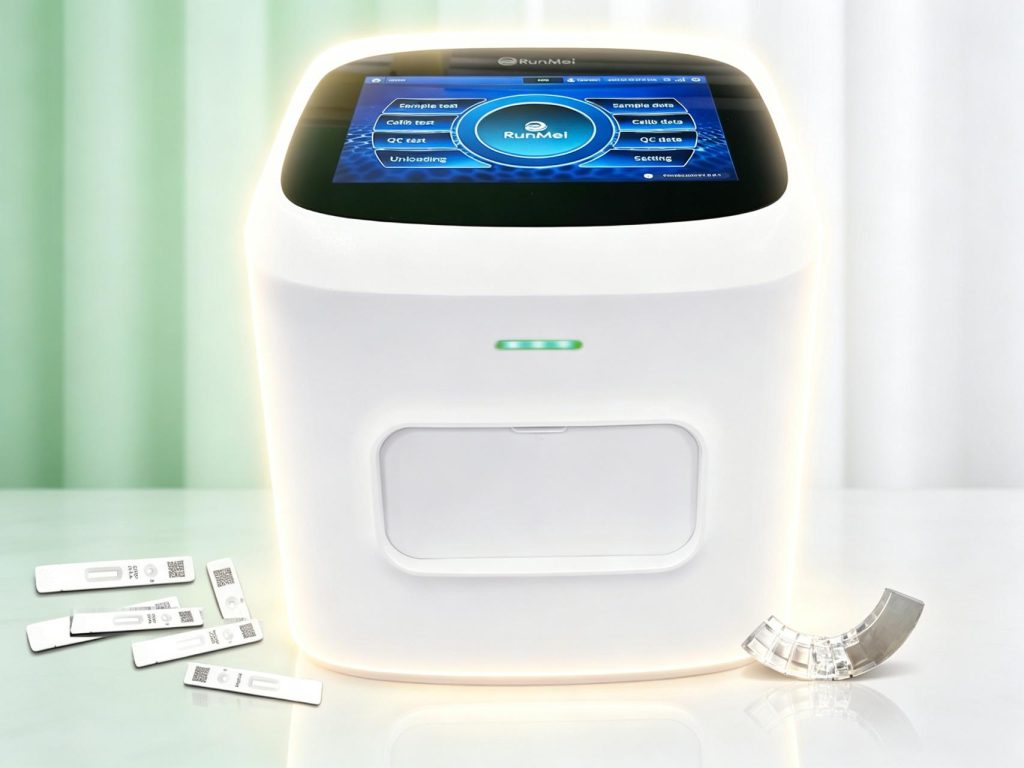
Figure 2: A portable analyzer brings occupational blood screening out to fields and processing sites.
Image title: Portable multi-function analyzer for mobile farm-worker outreach screening | Alt text (web): portable hematology analyzer for mobile agricultural worker health screening
Structured data: ImageObject schema for this image is provided in the Technical SEO & GEO Package below.
Equipment for a Rural Occupational Health Program
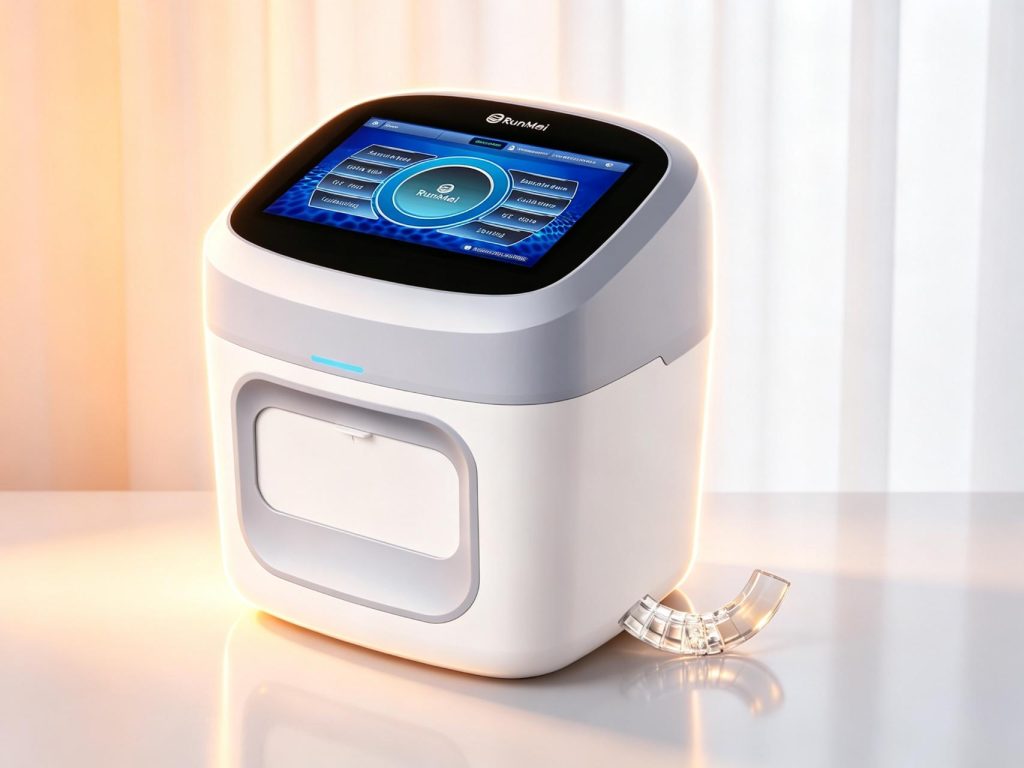
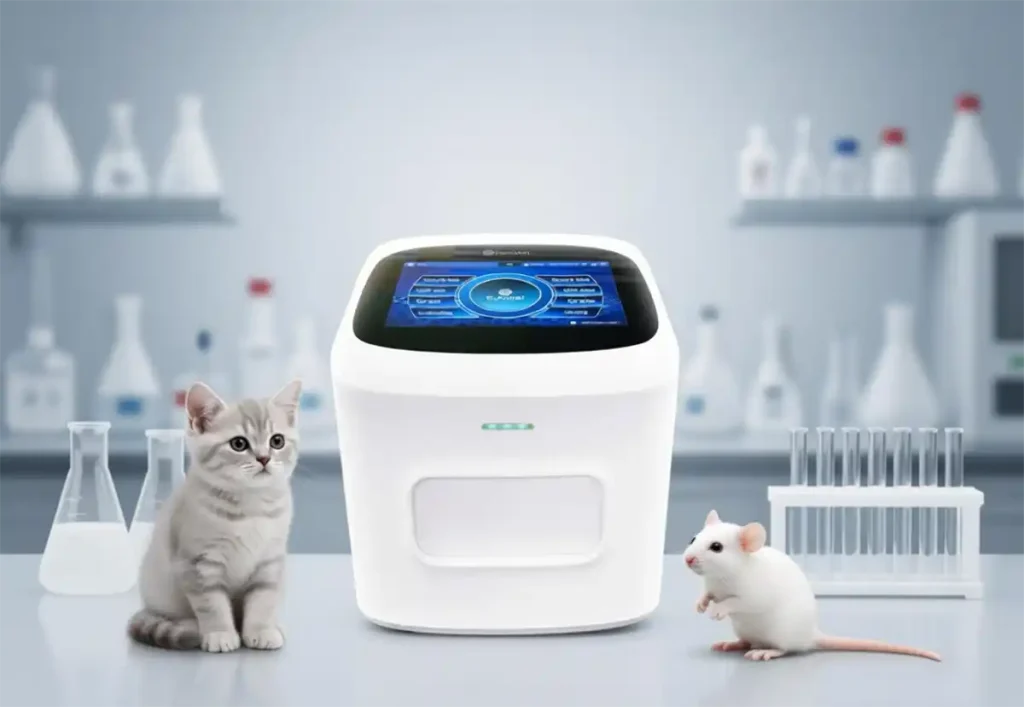
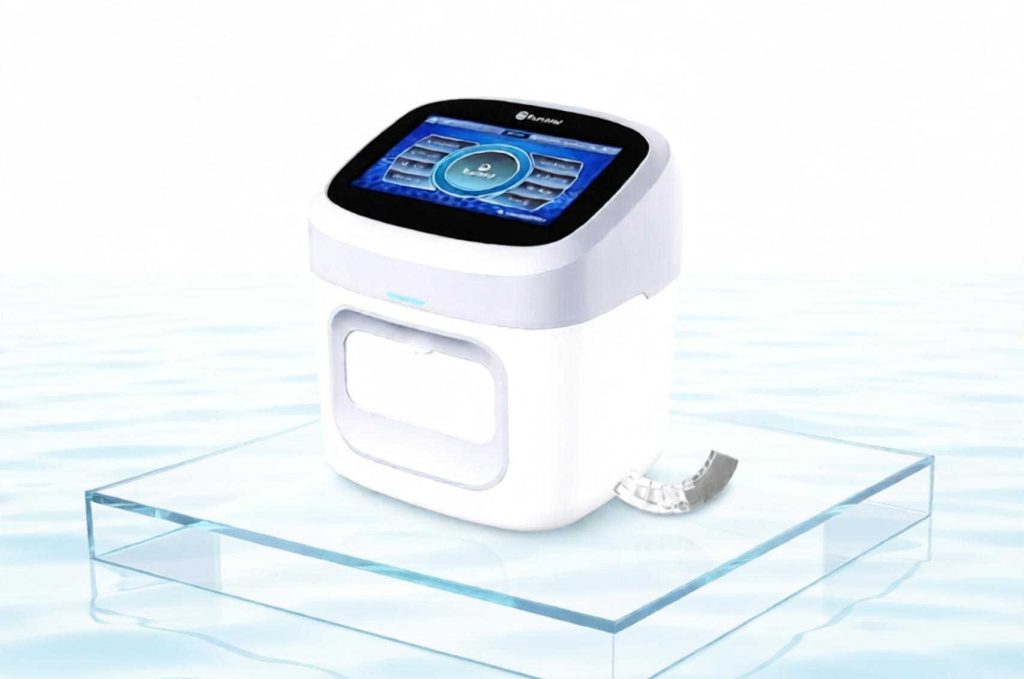
Occupational health screening needs a durable, fast analyzer on site, not a distant reference lab. the BCA-330 5-part hematology analyzer provides a compact five-part differential for fixed clinic bases, while the BCA-320 portable multi-function analyzer travels to remote fields and processing sites. On-site results mean workers are screened in a single visit rather than asked to return.
Choose devices that tolerate rural power and temperature, accept small samples, and are simple enough for trained clinic staff to run daily. For mobile outreach, a portable unit with a reliable reagent supply is essential. Programs should also plan how results are recorded and compared year over year, since trends matter more than any single number in occupational health.
Running a Quality Occupational Health Program
A screening program is only as good as its data quality. Daily quality control, logged results and clear referral thresholds keep the program credible for workers, employers and regulators. In the United States, the FDA’s CLIA-waived analytes database clarifies which simple tests can be run outside a full laboratory.
This is productive, community-level care: WHO’s overview of primary health care frames occupational and primary care as interconnected, and a well-run agricultural screening program protects both the worker and the workforce. The worker who ‘feels fine’ can finally be told the truth about his blood — and given treatment before the next harvest.
Programs that stick with the checklist build trust with workers over time. People return for repeat screening when they see that the clinic treats the problems it finds, rather than simply recording numbers. That trust is what turns a one-time screening drive into a lasting and valued occupational health service.
الأسئلة المتداولة
What does an occupational CBC screen for in farm workers?
It screens for anemia, infection, abnormal white-cell or platelet patterns, and other blood-cell changes. It is a baseline and trend tool, not a single specific test for one chemical exposure.
How often should agricultural workers have a blood count?
At least annually, plus a baseline at employment and extra testing whenever symptoms appear. Screening before peak seasons catches problems when they matter most for the workforce.
Can a rural clinic run occupational screening for farms?
Yes. Compact, on-site analyzers with trained staff and routine quality control can deliver CBC screening at a farm clinic or through mobile outreach to remote sites and processing plants.
Is anemia common in farm workers?
Anemia is common in rural working-age populations and is often treatable. Regular CBC screening detects it early and supports iron therapy and follow-up, restoring strength and productivity.
Conclusion
Agricultural work is essential, and so is the health of the workers who do it. Occupational blood screening turns a worker who ‘feels fine’ into a person with a measured baseline, a trend to watch, and treatment when something is wrong.
With a checklist, on-site analyzers and quality control, rural agricultural programs can protect workers before illness drains their strength and their livelihood. That is preventive medicine — for the people who grow our food, and for the communities that depend on them.
Disclaimer
This article is provided for general informational and educational purposes only and does not constitute medical advice, diagnosis, or treatment. Laboratory testing must be performed by trained personnel in accordance with applicable regulations, manufacturer instructions and local law. Always consult a qualified healthcare professional for clinical decisions. Product names and capabilities described may vary by market and regulatory clearance. RunMei Health does not warrant that any device is suitable for a specific facility or jurisdiction without professional evaluation.