In regions where thalassemia is common, the blood count is the first clue, the monitoring tool and the transfusion trigger — all from one analyzer.
By Dr. Samuel Okafor, MD (Community Medicine Physician) | Reviewed by Dr. Sarah Thompson, PhD (Medical Diagnostics Researcher) | Published 2026-10-16 | Read time: ~7 minutes
Think of the blood count as the household fuel gauge of a thalassemia programme. You would never drive a car on an empty tank while guessing the dial, yet in high-prevalence rural regions families with thalassemia often do exactly that: they manage a lifelong blood disorder by feel, without a regular hemoglobin reading. A thalassemia monitoring blood analyzer on the clinic bench changes that. It turns guesswork into a number, and a number into a plan.
In regions where thalassemia is common, the same instrument that a clinic once bought for anemia now does three jobs at once: it is the first clue on screening, the tool that tracks patients over years, and the trigger that decides when a transfusion is due. This editorial argues that rural programmes undervalue this single device at their patients’ peril.
The hemoglobin value is not a luxury here; it is the thread on which transfusion decisions, iron overload management and family counselling all hang.
Why a Household Analogy Works for Thalassemia
A fuel gauge works because you check it often. Thalassemia works the same way: what matters is the trend of the hemoglobin over months and years, not one dramatic reading. A rural analyzer makes frequent checking affordable and local.
Screening: The First Clue
Thalassemia trait often shows up as a small, apparently mild anemia in otherwise healthy people. A low mean corpuscular volume that does not respond to iron is the classic clue. As WHO’s anaemia fact sheet reminds us, anemia is ubiquitous, so distinguishing a harmless trait from a treatable deficiency is exactly where the blood count earns its place.
This screening logic overlaps with other rural anaemias: the same small red cells appear in CBC testing for malaria and anemia in children, which is why a well-equipped clinic serves many programmes at once.
Monitoring: The Long Game
Thalassemia major is a condition of steady, ongoing management. Patients need regular hemoglobin checks to guide transfusion and to watch for the complications that accompany chronic anemia.
Hemoglobin as the Transfusion Trigger
A measured hemoglobin decides whether a transfusion is due, preventing both unnecessary exposure to blood and the harm of under-transfusion. Clinicians can deepen the interpretation through a New England Journal of Medicine review of anemia of chronic disease, which frames how chronic hemolytic states shape the blood picture.
Watching for Complications
Serial counts also flag infection and marrow suppression, two things that threaten thalassemia patients. The baseline value the clinic keeps over the years is what makes a sudden change meaningful. This is the same serial-monitoring discipline used in CBC monitoring in rural HIV care و the role of blood counts in TB screening.
Families in these regions often travel long distances for each transfusion. When the preliminary hemoglobin check can be done at the local clinic, the trip becomes better planned: patients arrive only when the number shows they truly need blood, and they are not turned away after an expensive journey because the reading was borderline.

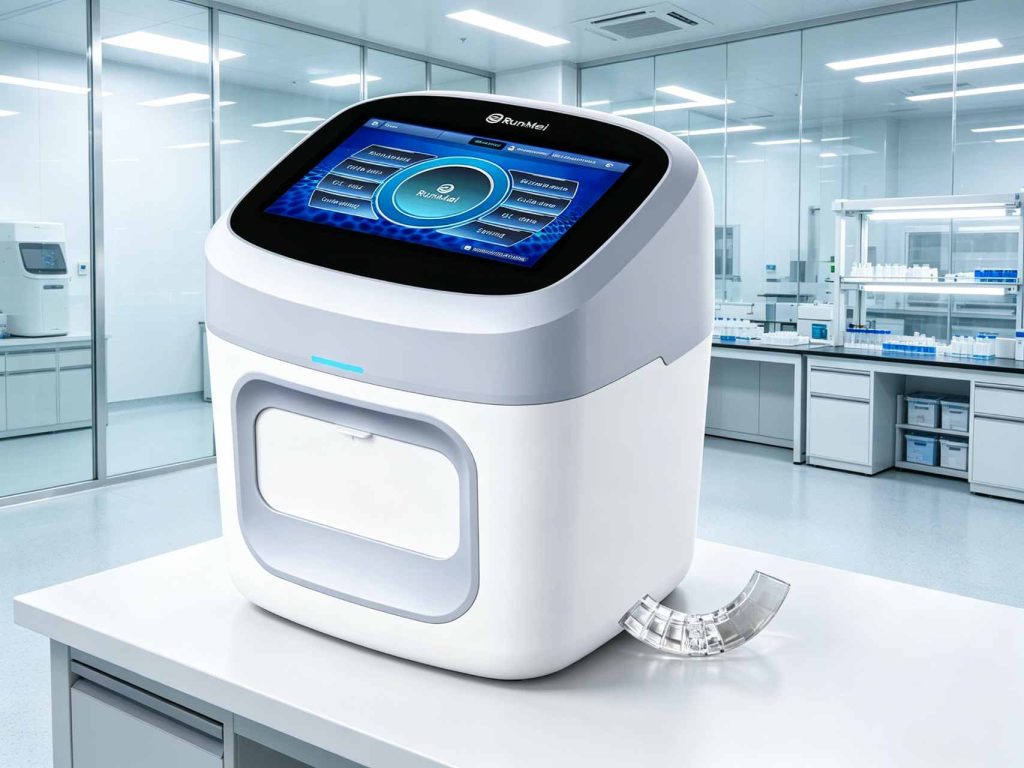
Figure 1: A bench-top analyzer delivers hemoglobin and red-cell indices that guide thalassemia screening and transfusion decisions in a rural clinic.
Image title: Fully automatic hematology analyzer supporting thalassemia screening and monitoring | Alt text (web): hematology analyzer for thalassemia monitoring and screening in a rural clinic
Structured data: ImageObject schema for this image is provided in the Technical SEO & GEO Package below.
Pregnancy and Families: Where It Matters Most
In high-prevalence regions, thalassemia touches whole families. A carrier couple needs accurate diagnosis, and a pregnant woman with the trait needs anemia distinguished from a hemoglobinopathy.
Antenatal Clarity
A small-cell anemia in pregnancy should not automatically be treated with iron until thalassemia trait is considered. A CBC with red-cell indices, run locally, guides that judgment. Clinicians will find the fuller context in complete blood count testing in rural pregnancy, which argues that prenatal CBCs prevent just this confusion.
Family counselling becomes far easier when the clinic can show both partners their counts instead of sending them to a distant city for a test they may never complete.

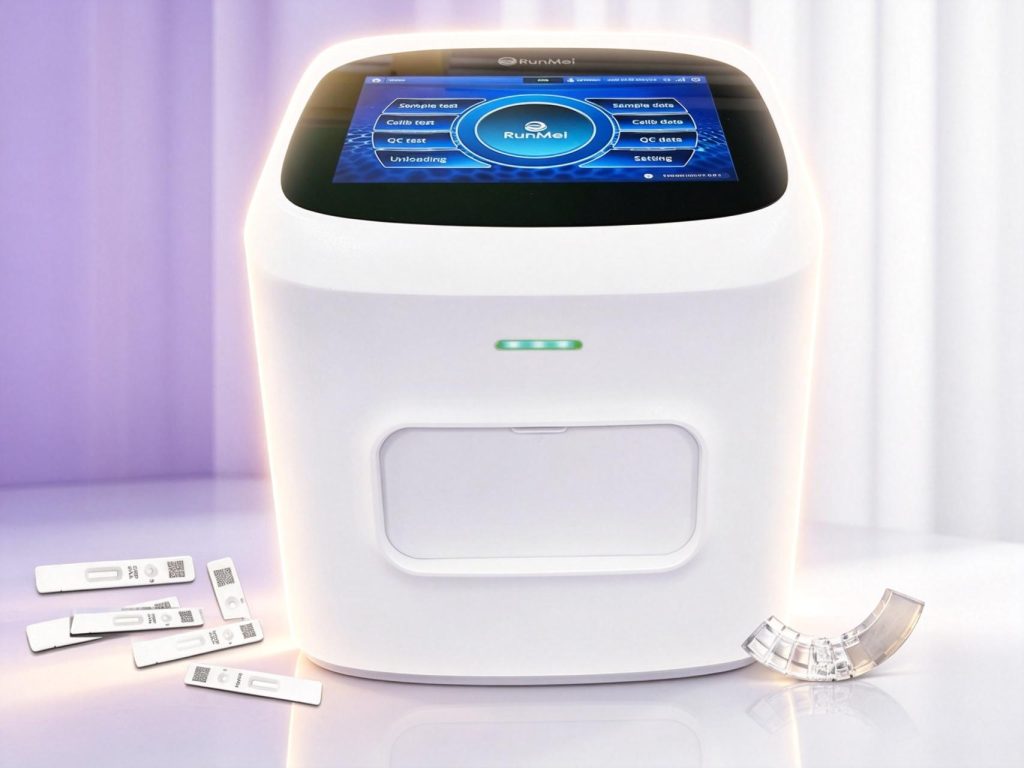
Figure 2: A portable analyzer extends hemoglobin monitoring for thalassemia patients to community outreach sessions in surrounding villages.
Image title: Portable multi-function analyzer for thalassemia and anemia outreach | Alt text (web): portable hematology analyzer for rural thalassemia monitoring and anemia screening
Structured data: ImageObject schema for this image is provided in the Technical SEO & GEO Package below.
The Rural Reality: Cost, Power and Service
An analyzer is only useful for thalassemia if it runs reliably in a village clinic for years. Procurement must therefore look beyond the purchase price.
Fit for a Lifetime Condition
Choose instruments with reagent shelf life suited to steady use, tolerance of variable power, and a service plan local staff can actually reach. This is the practical expression of the WHO’s overview of primary health care: durable diagnostics close to the people who need them.
Regulatory assurance closes the procurement question; in the United States, a device’s clearance is recorded in the FDA’s 510(k) premarket notification database, the reference a clinic checks before committing to a lifelong programme.
The Editorial: Stop Treating the Gauge as Optional
High-prevalence rural regions have too long treated regular hemoglobin monitoring as a luxury reserved for cities. It is not.
A bench-top analyzer is the difference between a family guessing their way through a lifelong disorder and a clinic that can transfuse on schedule, counsel with confidence and detect complications early. The fuel gauge of thalassemia care exists; the only remaining question is whether rural programmes are willing to read it.
Programmes that do read it report calmer patients, better-timed transfusions and fewer wasted journeys. Those that do not keep hoping, and hoping is never a treatment plan.
الأسئلة المتداولة
How does a blood analyzer help manage thalassemia in a rural clinic?
It provides the hemoglobin and red-cell indices that guide screening, transfusion timing and complication monitoring. Serial hemoglobin values over months and years let the clinic decide when a transfusion is due and detect infection or marrow suppression early.
Can a CBC distinguish thalassemia trait from iron-deficiency anemia?
It raises the suspicion. Thalassemia trait often produces a very low mean corpuscular volume out of proportion to the anemia, while iron deficiency responds to supplementation. Definitive diagnosis requires hemoglobin electrophoresis or DNA testing, but the CBC is the affordable first clue that prompts referral.
Why is regular hemoglobin monitoring important for thalassemia patients?
Because transfusion decisions depend on it. Checking the hemoglobin trend prevents both unnecessary transfusions and under-treatment, and it reveals complications such as infection or marrow problems that a single visit can miss.
What should a rural programme look for when choosing an analyzer for thalassemia care?
Reliable red-cell indices, steady reagent supply, tolerance of variable power, and a sustainable service and training plan. Since thalassemia care is lifelong, total cost of ownership and local support matter more than the lowest purchase price.
Conclusion
Thalassemia in high-prevalence rural regions is managed at the clinic bench, not in a distant city. The hemoglobin value is the thread that holds screening, transfusion and counselling together.
A blood analyzer turns guesswork into a number, and a number into a lifelong plan. It serves children, pregnant women and whole families at once.
The fuel gauge of thalassemia care has been available for years. Rural programmes that finally read it will stop driving families on empty.
Disclaimer
This article is provided for general informational and educational purposes only and does not constitute medical advice, diagnosis, or treatment. Laboratory testing must be performed by trained personnel in accordance with applicable regulations, manufacturer instructions and local law. Always consult a qualified healthcare professional for clinical decisions. Product names and capabilities described may vary by market and regulatory clearance. RunMei Health does not warrant that any device is suitable for a specific facility or jurisdiction without professional evaluation.