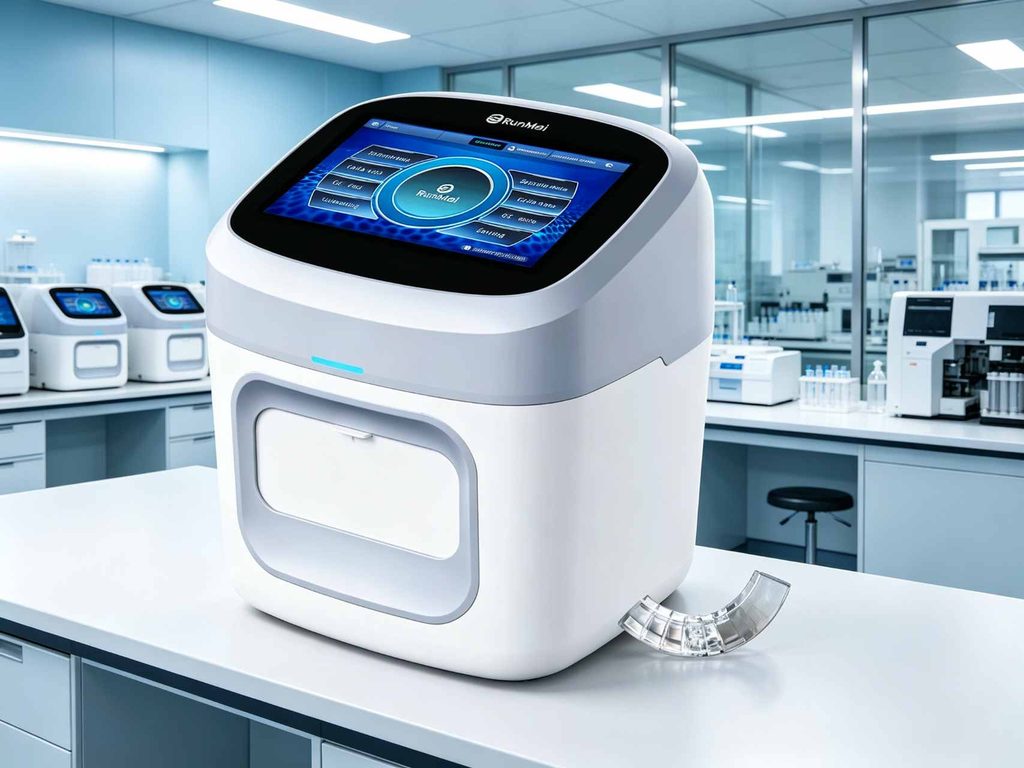
The differential count shapes dozens of clinical decisions – and the 3-part versus 5-part choice determines what a rural laboratory can do with it.
By Dr. Emily Hartley, MD, MPH (Rural Family Physician & Public Health Researcher) | Reviewed by Dr. Hana Yoshida, MD (Hematologist) | Published 2026-10-12 | Read time: ~7 minutes
Redefine the object before you buy it. A hematology analyzer is not primarily a cell counter; it is a decision-support engine that turns a drop of blood into clues about infection, allergy, anemia and bleeding. That reframe is essential when choosing a 3-part vs 5-part differential analyzer for a rural laboratory, because the two options differ less in counting than in which clinical questions they can answer.
The white-cell differential splits infection-related cells into groups. A 3-part analyzer separates granulocytes, lymphocytes and monocytes. A 5-part analyzer goes further, isolating neutrophils, lymphocytes, monocytes, eosinophils and basophils. Each extra group costs money, reagents and maintenance – and each unlocks specific judgments.
The honest answer for most rural labs: a 3-part analyzer handles the majority of screening and triage, while a 5-part analyzer earns its place where allergy, parasitic disease and detailed chronic monitoring matter enough to justify the added cost.
Rethink What a Hematology Analyzer Actually Is
Think of the analyzer as a lens. A 3-part lens groups the white cells into three broad bands; a 5-part lens resolves five. Both count red cells, hemoglobin and platelets equally well; the divergence is in how finely they read the white-cell response.
Why the Differential Is the Whole Point
The total white-cell count alone tells you inflammation is present. The differential tells you what kind: a neutrophil rise favors bacterial infection, a lymphocyte rise can point toward viral illness, and an eosinophil rise hints at allergy or parasites. This is the information clinicians actually act on during a single visit.
That is why buying an analyzer solely on red-cell and platelet performance misses the point. For rural medicine, where a microscopy review may be days away, the on-board differential is often the only interpretive support a clinician gets at the moment of decision.
What the 3-Part Differential Gives You
A 3-part differential analyzer reports three white-cell populations alongside the full red-cell and platelet counts. It reliably flags whether the immune system is activated and gives the red-cell indices that characterize anemia.
What It Handles Well
For anemia screening – the burden documented in WHO’s anaemia fact sheet – a 3-part machine is fully adequate, and the red-cell indices it produces are the same ones reviewed in a New England Journal of Medicine review of microcytic anemia. It also supports routine fever triage, where a flagged count prompts further action rather than a fine-grained diagnosis. These systems tend to be cheaper, simpler and easier to maintain on a rural budget.
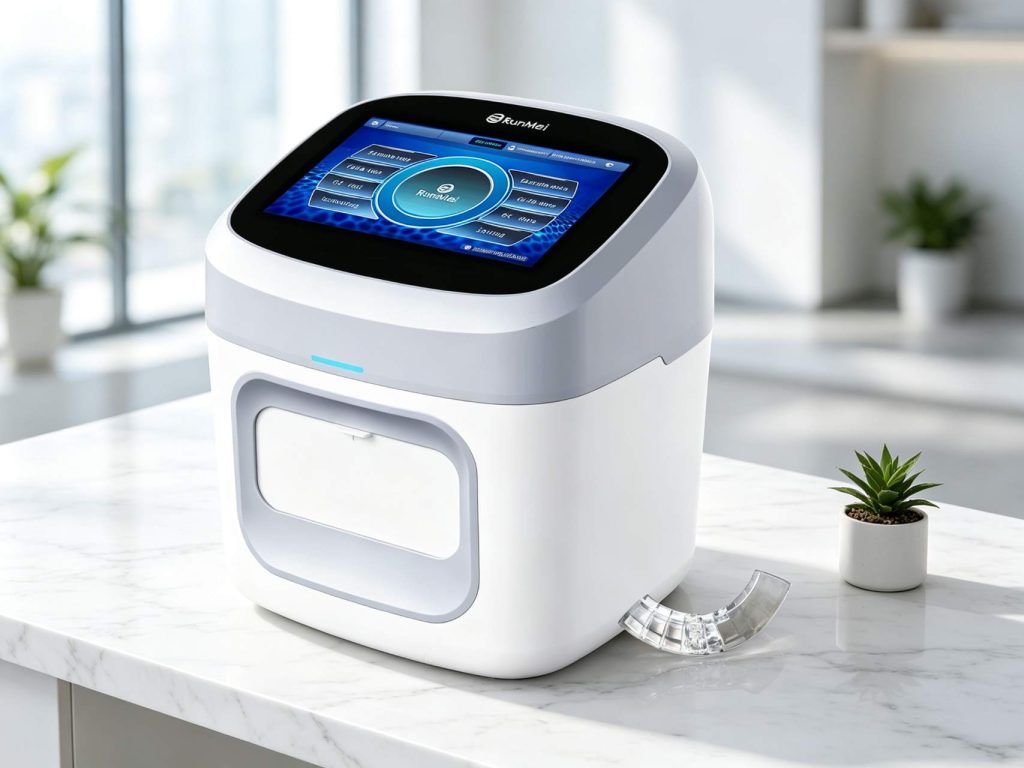
Figure 1: A hematology analyzer resolves white-cell populations, the core of the 3-part versus 5-part choice.
Image title: Hematology analyzer showing a white-cell differential on its screen | Alt text (web): hematology analyzer displaying a WBC differential for rural lab use
Structured data: ImageObject schema for this image is provided in the Technical SEO & GEO Package below.
What the 5-Part Differential Adds
A 5-part differential analyzer separates the five white-cell subtypes. The added resolution matters most when a clinician needs to distinguish an eosinophilic from another response, or track subtle shifts in chronic disease over time.
What It Adds for the Cost
Eosinophil counts highlight allergic and parasitic conditions – common in rural settings – while a more granular lymphocyte panel supports long-term monitoring. The investment brings higher reagent and maintenance demands, so it should follow a clear clinical need rather than novelty or showroom appeal.
A 5-part system also tends to flag suspicious populations that a 3-part count would lump together, prompting a manual smear review when needed. For a hospital that already has access to microscopy, that added flagging is genuinely useful; for a post with no microscope at all, it can also raise questions it cannot resolve on its own.
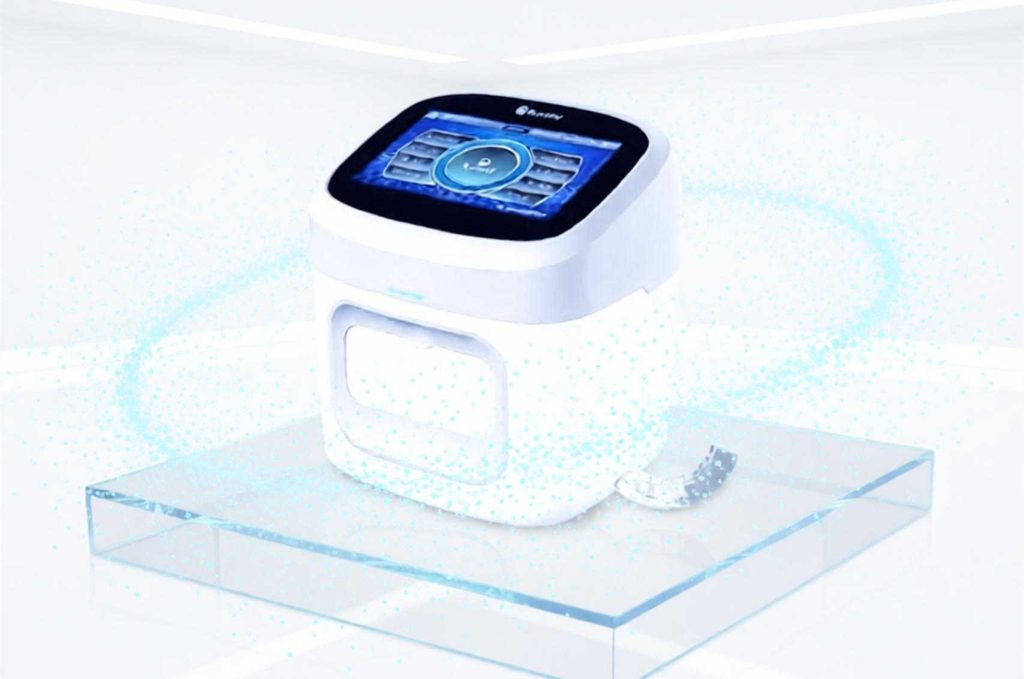
Figure 2: A compact 3-part differential analyzer suits routine anemia screening and fever triage in a rural lab.
Image title: Compact differential analyzer on a rural laboratory bench | Alt text (web): 3-part differential hematology analyzer for rural laboratory screening
Structured data: ImageObject schema for this image is provided in the Technical SEO & GEO Package below.
The Clinical Decisions That Turn on the Difference
Several rural conditions turn specifically on the finer differential. Malaria-related anemia in children, for instance, benefits from platelet and red-cell trends, while eosinophilia can signal helminth infection that a 3-part count would only vaguely flag.
Conditions That Reward the Extra Detail
The same granularity supports platelet monitoring during dengue outbreaks, where falling platelets drive admission decisions; blood counts in tuberculosis screening, where unexplained changes guide investigation; CBC testing for malaria and anemia in children; and CBC monitoring during rural HIV care, where drug-related marrow changes must be watched. Where your patient population concentrates on these conditions, the 5-part system pays back.
How a Rural Lab Should Choose
Start from your case mix, not your ego. List the questions you answer every month: anemia, fever triage, chronic monitoring, parasitic or allergic disease. Match the differential’s resolution to that list.
Regulatory and Practical Checks
Confirm the device’s classification in the FDA’s CLIA-waived analytes database where relevant, and weigh the ongoing reagent and service costs against the clinical gain. Guidance in the WHO Model List of Essential In Vitro Diagnostics supports basic hematology at first level; for many village posts, a well-chosen 3-part analyzer delivers that essential capability without overbuying.
Finally, think ahead. A post that begins with a 3-part analyzer can always add a 5-part system later as volume and case mix grow, whereas an under-used 5-part machine is hard to downsize. Buying slightly beneath your ambition, then growing into the fuller differential, is usually the safer rural investment.
الأسئلة المتداولة
What does a 3-part differential analyzer measure?
It counts red cells, hemoglobin and platelets, and separates white cells into three groups – granulocytes, lymphocytes and monocytes. It is adequate for anemia characterization and basic infection triage, and tends to be lower cost and easier to maintain.
What does a 5-part differential analyzer add?
It isolates five white-cell subtypes – neutrophils, lymphocytes, monocytes, eosinophils and basophils. The extra resolution helps identify allergic or parasitic responses (eosinophilia) and track more subtle changes in chronic disease, at the cost of higher reagent and maintenance needs.
Which should a small rural clinic buy?
Most small village clinics are well served by a 3-part analyzer for anemia screening and fever triage. Choose a 5-part analyzer when your patient mix includes parasitic or allergic disease, dengue platelet monitoring or detailed chronic-disease follow-up, and you can staff and maintain the more complex device.
Are 5-part results always more accurate?
Not for the core counts. Both types measure red cells, hemoglobin and platelets reliably; the difference is diagnostic resolution of white-cell subtypes. Accuracy also depends on fresh samples, daily quality control and trained operation, not on the number of parts alone.
Conclusion
The 3-part versus 5-part choice is really a choice about which clinical questions your rural laboratory needs to answer.
Buy the resolution your case mix justifies, not the most advanced bench in the brochure. A well-run 3-part analyzer serving a village clinic is worth more than an under-maintained 5-part machine; and where parasitic, dengue or chronic monitoring dominates, the extra differential earns its keep. Match the lens to the patients in front of you, and let the budget follow the clinical need.
Disclaimer
This article is provided for general informational and educational purposes only and does not constitute medical advice, diagnosis, or treatment. Laboratory testing must be performed by trained personnel in accordance with applicable regulations, manufacturer instructions and local law. Always consult a qualified healthcare professional for clinical decisions. Product names and capabilities described may vary by market and regulatory clearance. RunMei Health does not warrant that any device is suitable for a specific facility or jurisdiction without professional evaluation.