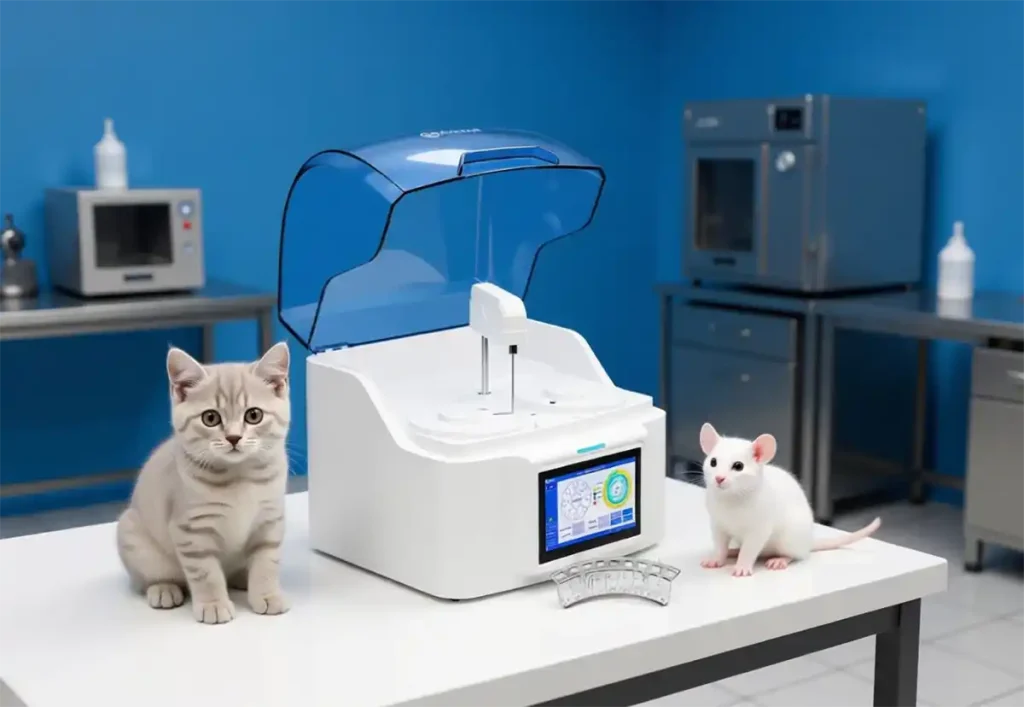
In a dengue season, platelet counts decide who goes home and who goes to the hospital. Community-level analyzers make that decision possible.
By Dr. Priya Nair, MD (Clinical Pathologist) | Reviewed by Dr. Sarah Thompson, PhD (Medical Diagnostics Researcher) | Published 2026-10-14 | Read time: ~7 minutes
Every dengue season, fever clinics in rural areas face the same anxious question: which of these patients is about to deteriorate? A platelet monitoring dengue analyzer sitting on the clinic bench turns that question from a guessing game into a measurable trend. In this article you will learn four things: why platelets decide dengue triage, what a community-level CBC analyzer can deliver in real time, how to design an outbreak workflow around it, and why equipment choice now determines whether a district can respond at all.
The core answer is direct. Community clinics that can run a complete blood count on days one, three and five of illness can spot the platelet plunge and hemoconcentration that precede severe dengue, refer the right patients at the right moment, and keep stable patients safely out of an overcrowded hospital.
This is a leadership argument as much as a clinical one. Dengue response is a system design problem, and the point-of-care blood analyzer is the instrument that makes a sensible system possible.
Why Platelets Are the Dengue Triage Signal
Dengue is deceptive. Patients often feel worst as the fever breaks, which is also when the plasma-leakage phase can begin. The clinical exam alone cannot tell a recovering patient from one sliding toward shock, but the blood count can.
The Count That Changes Overnight
A falling platelet count, paired with a rising hematocrit, is the laboratory signature that clinicians watch. Without serial counts, a clinic must wait for bleeding or hypotension, by which time the safest referral window may have closed. Measuring the same patient again in forty-eight hours is more informative than any single result.
In dengue, one blood count is a snapshot; two blood counts forty-eight hours apart are a forecast.
What a Community-Level Analyzer Actually Delivers
A community clinic does not need a reference laboratory during an outbreak. It needs a fast, repeatable platelet and hematocrit result from a few drops of blood, run by existing staff. That is exactly the capability modern compact systems provide.
Same-Day, Serial, and Local
Running the test on site removes the transport delay that ruins dengue monitoring, because a sample sent to town may not return for days. When the result is ready before the patient leaves, the clinician can plan follow-up confidently. WHO guidance treats basic hematology as a priority first-level capability, as reflected in the WHO Model List of Essential In Vitro Diagnostics, which lists the tests that belong at primary care.
Reaching the Patients Who Never Arrive
Much of a dengue-affected population lives beyond the clinic gate. Outreach teams carrying mobile blood analyzers that take CBC testing to the village can screen fever cases in the community, identify the high-risk patients, and bring them in early rather than waiting for collapse.

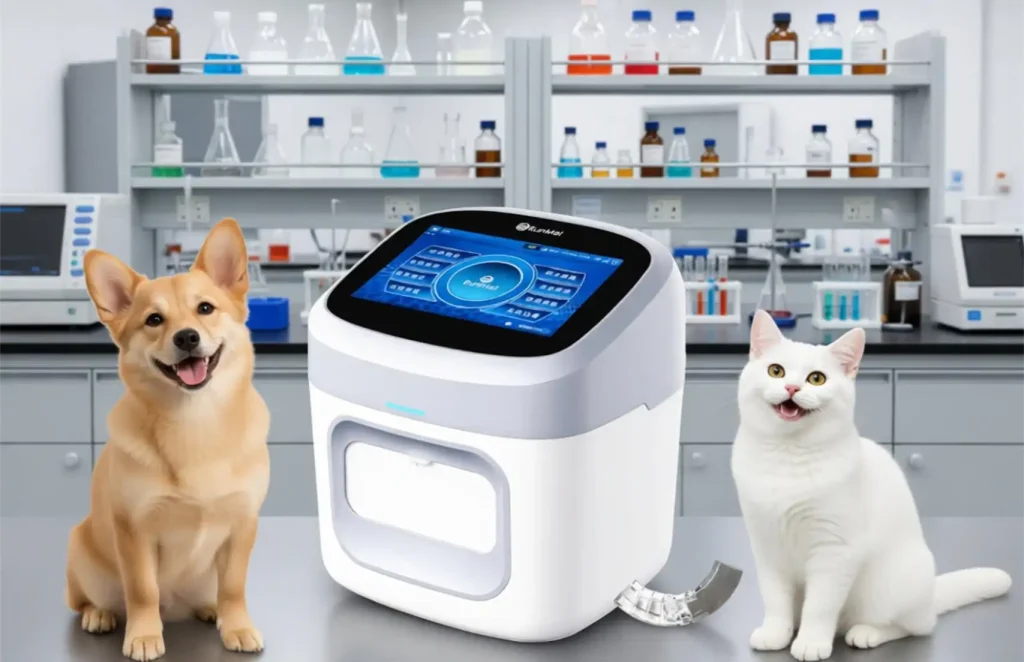
Figure 1: A bench-top analyzer delivers platelet counts and hematocrit within minutes at a community fever clinic during dengue season.
Image title: Fully automatic hematology analyzer running serial dengue CBC and platelet counts in a community fever clinic | Alt text (web): platelet monitoring dengue analyzer performing a community CBC on a fever clinic bench
Structured data: ImageObject schema for this image is provided in the Technical SEO & GEO Package below.
Designing the Outbreak Workflow
Technology only helps when the workflow is written down. A dengue response needs agreed triggers: when to repeat the count, when to admit, and when to send the patient for higher-level care.
A Simple Serial-Monitoring Protocol
Patients with warning signs get a CBC on arrival and again around defervescence; the platelet trend determines the plan. This pattern-based thinking is reinforced by reviews such as a New England Journal of Medicine account of microcytic and related blood disorders, which show how a single red-cell index can redirect clinical reasoning. The protocol must be posted, rehearsed and owned by the nursing staff who run the clinic day and night.
Power, Training and Reliability in Outbreak Mode
Outbreaks arrive during the wettest, most grid-fragile months. A solar-powered blood analyzer design keeps the clinic running through blackouts, while structured training and maintenance for rural blood analyzers ensures that staff can calibrate, clean and troubleshoot under pressure. A machine that waits for an engineer during a flood is no machine at all.
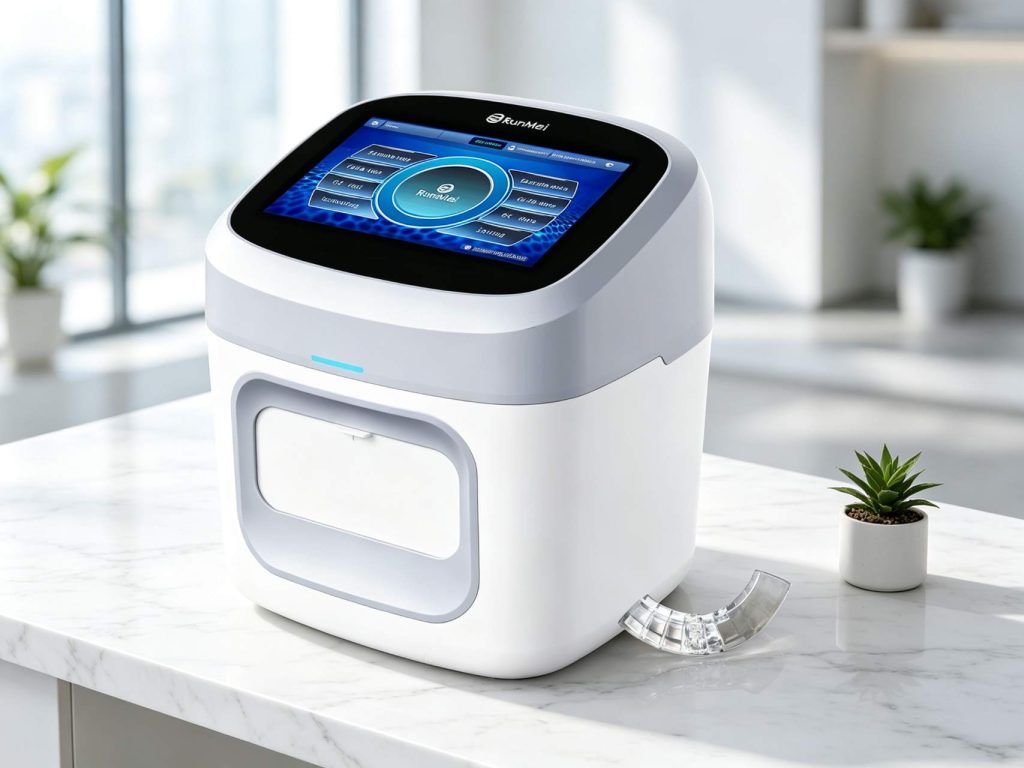
Figure 2: A portable analyzer brings serial CBC and platelet monitoring from the clinic to village outreach teams during outbreaks.
Image title: Portable multi-function analyzer for mobile dengue outreach and village fever screening | Alt text (web): compact hematology analyzer for mobile dengue platelet monitoring in rural villages
Structured data: ImageObject schema for this image is provided in the Technical SEO & GEO Package below.
The Referral Network, Data-Enabled
A community clinic that refers with serial platelet counts attached hands the hospital a trend, not a panic. Patients sent on unnecessary journeys are spared cost and risk; patients who truly need care arrive already characterized.
Remote Oversight of Local Results
Telehealth closes the loop. With telehealth and remote blood diagnostics, a distant specialist reviews the platelet trend and the hematocrit from the clinic, advising whether to observe, admit or refer. This fits the primary-care vision laid out in the WHO’s overview of primary health care, in which first-level facilities are strengthened rather than bypassed.
Regulatory Standing for Fever Clinics
Fever clinics are often temporary spaces with rotating staff. Regulators recognize this: in the United States, tests classified as simple and accurate can run under CLIA waiver, and the FDA’s CLIA-waived analytes database is the reference clinicians use to confirm what a lower-resource facility may operate.
The strategic takeaway is that dengue response is no longer limited by laboratory technology. It is limited by whether districts plan, procure and train around the platelet monitor before the rains come. The clinics that do are the ones that survive the season with fewer avoidable admissions.
الأسئلة المتداولة
Why are platelet counts so important in dengue care?
Dengue suppresses platelet production and can trigger plasma leakage. A falling platelet count, especially together with a rising hematocrit, is one of the earliest laboratory warning signs of progression to severe dengue. Serial counts help clinicians decide who to admit, who to observe and who to refer.
Can a community clinic reliably run platelet counts during an outbreak?
Yes. Compact hematology analyzers deliver platelet and hematocrit results from small whole-blood samples within minutes, operated by trained clinic staff. Reliability depends on fresh samples, daily quality control and a written maintenance routine rather than on a hospital laboratory.
How often should a dengue patient’s blood count be repeated?
Clinicians commonly obtain a CBC on presentation and repeat it around the time of fever resolution and whenever warning signs appear, following a locally agreed protocol. The change over forty-eight hours usually matters more than any single value, so the timing should be planned in advance.
What equipment matters most for a rural dengue response?
Prioritize instruments that tolerate unstable power, use reagents with adequate shelf life, and are simple enough for existing staff to maintain. Portability supports outreach, remote connectivity supports referral decisions, and training determines whether the device works in real outbreak conditions.
Conclusion
Dengue will keep returning, and every season the same fever clinics will be asked to distinguish the dangerous few from the recovering many. That judgment is now a measurable trend, not an intuition.
A community-level CBC analyzer, embedded in a serial-monitoring workflow and supported by training, power resilience and telehealth, turns the village clinic into the front line of outbreak response. It is the difference between sending patients home safely and sending them in too late.
The districts that plan for dengue before the rains are not buying a machine; they are buying a faster, kinder, and more accurate response to the disease their population already faces every year.
Disclaimer
This article is provided for general informational and educational purposes only and does not constitute medical advice, diagnosis, or treatment. Laboratory testing must be performed by trained personnel in accordance with applicable regulations, manufacturer instructions and local law. Always consult a qualified healthcare professional for clinical decisions. Product names and capabilities described may vary by market and regulatory clearance. RunMei Health does not warrant that any device is suitable for a specific facility or jurisdiction without professional evaluation.