Not every coughing child needs antibiotics — and not every pneumonia needs a referral. The blood count helps first-level facilities tell them apart.
By Dr. Ling Chen, MD (Laboratory Medicine Specialist) | Reviewed by Dr. Hana Yoshida, MD (Hematologist) | Published 2026-10-19 | Read time: ~7 minutes
Twenty years ago, a coughing child in this village was assessed by breathing rate and a clinician’s instinct alone. There was no blood count, no quick objective check, and little to separate a harmless viral wheeze from pneumonia that was about to turn dangerous. Field notes from those years describe the same scene repeatedly: a child sent home, then brought back worse, then referred too late. A CBC pneumonia triage in children at the first-level rural facility is what replaced that instinct-only approach. This field report describes how that change actually looks on the ground.
The direct finding: a first-level clinic with an analyzer can now put a white-cell count and hemoglobin in the clinician’s hands within minutes of the child’s arrival. That count sharpens antibiotic decisions and referral timing, and it means fewer coughing children are either over-treated or sent home too soon.
The report below draws on what a rural facility can realistically run, the patterns it reads, and the children it now protects.
What the Field Looked Like Before
A generation ago, pediatric respiratory illness was managed by counting breaths and watching for chest indrawing. Those signs still matter, but they are blunt. A child with a viral infection can breathe fast; a child with serious bacterial pneumonia can look deceptively calm.
The Hidden Cost of Instinct-Only Triage
Clinicians either over-prescribed antibiotics for every wheezing child or under-treated the few who truly needed them. The field report from that era is littered with avoidable referrals and delayed treatment. There was no objective signal to lean on between the exam and the referral, and every decision rested on experience that junior staff had not yet built.
The clinic could tell a child was breathing fast. It could not tell why.
What the CBC Adds at the First Level
Today the same clinic can run a complete blood count on a small finger-prick sample. The white-cell count and differential are the parts that matter most for respiratory illness.
White Cells and the Antibiotic Decision
A markedly elevated white-cell count with a shifted differential supports a bacterial process and tilts the clinician toward antibiotics. A normal or low count, in a child who looks well, supports observation. This is how the CBC reduces both unnecessary antibiotics and missed pneumonia. The same rapid test also serves platelet monitoring during dengue outbreaks و CBC testing for malaria and anemia in children, so the instrument earns its keep year round.
Hemoglobin and the Sickest Children
An anemic child tolerates a respiratory infection poorly. The hemoglobin result flags those children as higher risk, a judgment the breathing rate alone cannot make. Clinicians can deepen the anemia reasoning through a New England Journal of Medicine review of anemia of chronic disease, which frames how chronic illness shapes the count.
In practice, clinicians report that the count also changes how confidently they explain decisions to parents. A printed white-cell number is far easier to show a worried family than an intuition, and it builds the trust that brings children back early rather than late.

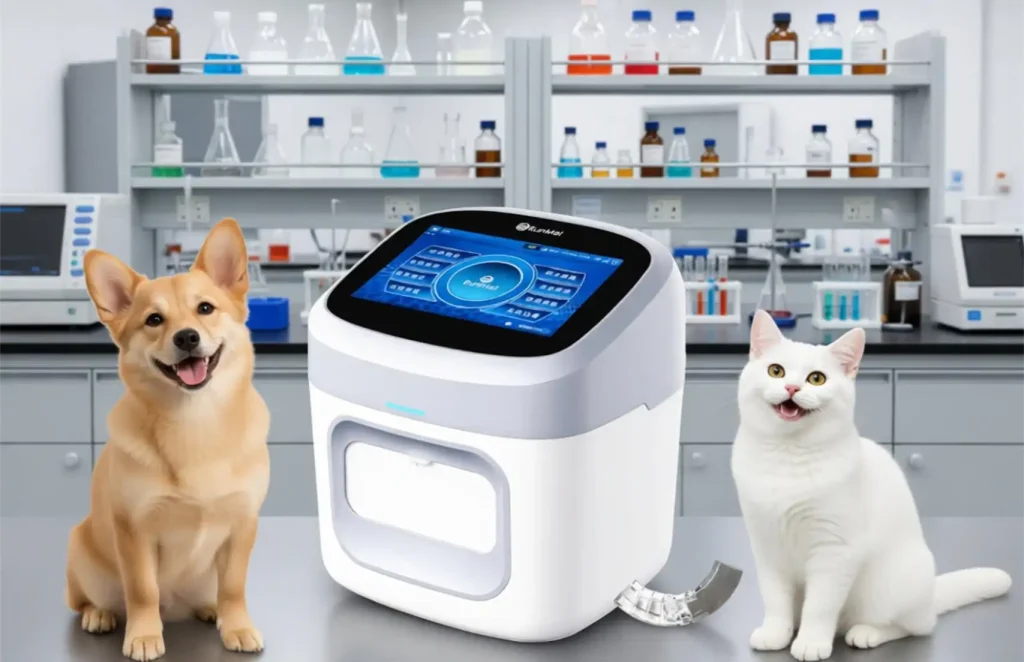
Figure 1: A bench-top analyzer returns white-cell and hemoglobin values that help a rural clinic triage children with cough and suspected pneumonia.
Image title: Fully automatic hematology analyzer triaging pediatric respiratory illness at a rural clinic | Alt text (web): hematology analyzer for pneumonia triage in children at a rural facility
Structured data: ImageObject schema for this image is provided in the Technical SEO & GEO Package below.
How Triage Actually Works on the Ground
The field workflow is simple. The child is examined, a CBC is run, and the combined picture drives the next step.
Observe, Treat Locally, or Refer
A well-looking child with a reassuring count goes home with clear return precautions. A child with a concerning count starts appropriate treatment. A child who deteriorates, or whose count is alarming, is referred with data attached. This division is the everyday value of the role of blood counts in TB screening extended to respiratory care: the count selects who needs the scarce higher-level resource.
Power is a real constraint in these clinics, which is why solar-powered blood analyzer designs matter. A clinic that loses its analyzer during a rainy-season blackout loses its triage tool precisely when respiratory infections peak.

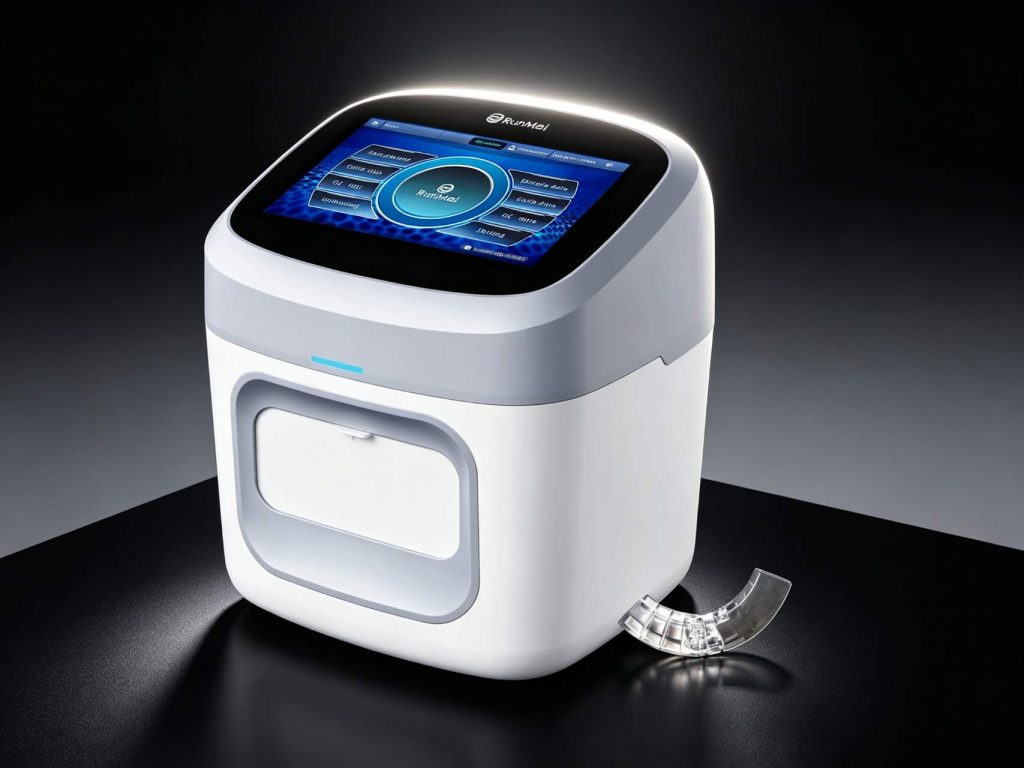
Figure 2: A portable analyzer extends CBC triage for children to village outreach sessions during respiratory illness season.
Image title: Portable solar-capable multi-function analyzer for village child respiratory outreach | Alt text (web): portable hematology analyzer for pediatric pneumonia triage in rural villages
Structured data: ImageObject schema for this image is provided in the Technical SEO & GEO Package below.
Where the First-Level Facility Fits
Pediatric pneumonia is a leading cause of childhood admission, and most children first arrive at the clinic, not the hospital. The first-level facility is therefore the right place to triage.
Primary Care as the Triage Point
This is the model described in the WHO’s overview of primary health care: first-level facilities detect and manage, referring only the serious. Basic hematology belongs at this level, and the WHO Model List of Essential In Vitro Diagnostics lists it accordingly.
Regulatory frameworks support lower-resource operation; in the United States, the device’s clearance is recorded in the FDA’s 510(k) premarket notification database, the reference a clinic checks before routine pediatric use.
The Field Verdict
Comparing today’s clinic to the field notes of two decades ago, the change is not dramatic in appearance but profound in effect.
Coughing children still arrive, but now they arrive with a number. That number separates the well from the worried, reduces blind antibiotic use, and gets the sickest child on the road earlier. For a generation of rural clinicians, it is the objective signal they never had.
The clinics that made this switch report fewer repeat visits and fewer severe admissions, because children are triaged correctly the very first time they arrive. The field verdict, two decades on, is unambiguous: the CBC belongs at the first-level facility.
الأسئلة المتداولة
How does a CBC help triage a child with pneumonia?
The white-cell count and differential help distinguish likely bacterial pneumonia from viral illness, guiding antibiotic decisions. Hemoglobin flags anemic children as higher risk. The result is ready within minutes, at the first-level facility, before referral.
Does a CBC replace clinical examination in children with cough?
No. The CBC supports, not replaces, the exam. Breathing rate and chest signs remain essential; the count adds an objective layer that sharpens the decision to observe, treat locally or refer.
Can a rural first-level facility run a pediatric CBC?
Yes. Compact analyzers accept finger-prick samples from children and are operated by trained clinic staff. Solar-capable designs address unreliable power, and daily quality control keeps results trustworthy.
When should a child with suspected pneumonia be referred urgently?
Refer urgently if the child shows severe chest indrawing, hypoxia, lethargy, dehydration, or a CBC that indicates severe anemia or marked leukocytosis. Sending the count with the child helps the receiving hospital act quickly.
Conclusion
Twenty years of field notes show what happened when rural clinics triaged coughing children by instinct alone: too many sent home too early, too many treated blindly.
The CBC at the first-level facility changed that. It gives clinicians an objective signal, reduces unnecessary antibiotics, and gets the sickest child referred sooner.
For today’s rural clinic, the coughing child no longer arrives as a guess. The count is the difference between a safe home and a crisis deferred.
Disclaimer
This article is provided for general informational and educational purposes only and does not constitute medical advice, diagnosis, or treatment. Laboratory testing must be performed by trained personnel in accordance with applicable regulations, manufacturer instructions and local law. Always consult a qualified healthcare professional for clinical decisions. Product names and capabilities described may vary by market and regulatory clearance. RunMei Health does not warrant that any device is suitable for a specific facility or jurisdiction without professional evaluation.