Blood degrades on the road to the laboratory. Testing at the bedside removes the most fragile link in the diagnostic chain.
By Dr. Samuel Okafor, MD (Community Medicine Physician) | Reviewed by Dr. Sarah Thompson, PhD (Medical Diagnostics Researcher) | Published 2026-10-08 | Read time: ~7 minutes
Three things destroy a remote blood sample before it ever reaches the laboratory. Two of them happen invisibly, inside the tube, while the courier waits for the bus. The last one sinks entire diagnostic programs: by the time the CBC result returns, the patient has already been treated or sent home. This is the problem of CBC testing remote sample stability, and this technology review argues that on-site measurement is the only robust fix.
The countdown sets up the article: sample delay, heat, and the preanalytical error chain. We explain how EDTA samples actually degrade, why transporting blood from remote clinics is unreliable, and how on-site analyzers remove the fragile link. The verdict is practical and evidence-based rather than vendor-driven.
Three Reasons a Remote Sample Fails
Number three is time. A blood sample in an EDTA tube is stable for a defined window after collection; once that window passes, cells begin to change. Number two is temperature. In a hot vehicle on a rough road, samples warm, cells swell or lyse, and the measured count drifts. Number one is the combination of the two, compounded by paperwork and delayed centrifugation, which makes the result arrive when its clinical value is already gone.
These are preanalytical errors — mistakes that happen before the sample ever reaches an analyzer. Studies in laboratory medicine consistently find that a large share of erroneous results originate in this preanalytical phase, and remote transport amplifies every one of them. WHO’s anaemia fact sheet underscores the stakes: the populations depending on these tests are often the most vulnerable to anemia and infection.
How an EDTA Sample Actually Degrades
An EDTA anticoagulant tube preserves whole blood by preventing clotting, but it does not stop time. Red cells, white cells and platelets change shape and count as hours pass. Platelets can swell or clump, spuriously lowering the count. Warmth accelerates cell lysis and alters indices. A sample collected at dawn and analyzed the next morning may report a different patient than the one who gave it.
Why Transport Creates a False Result
The practical consequence is that a transported sample is not just delayed — it is altered. A remote clinic chasing a ‘low platelet’ result may be chasing a measurement artifact. The only way to know the true count is to measure it before those changes accumulate, at the point of care. This is the core technical argument for on-site blood testing in remote settings. It also explains why a ‘normal’ result from a transported sample can be falsely reassuring: a degraded count may sit within reference range by coincidence rather than by truth.
A sample that arrives changed is not a result. It is a rumor about the patient, rendered as a number.

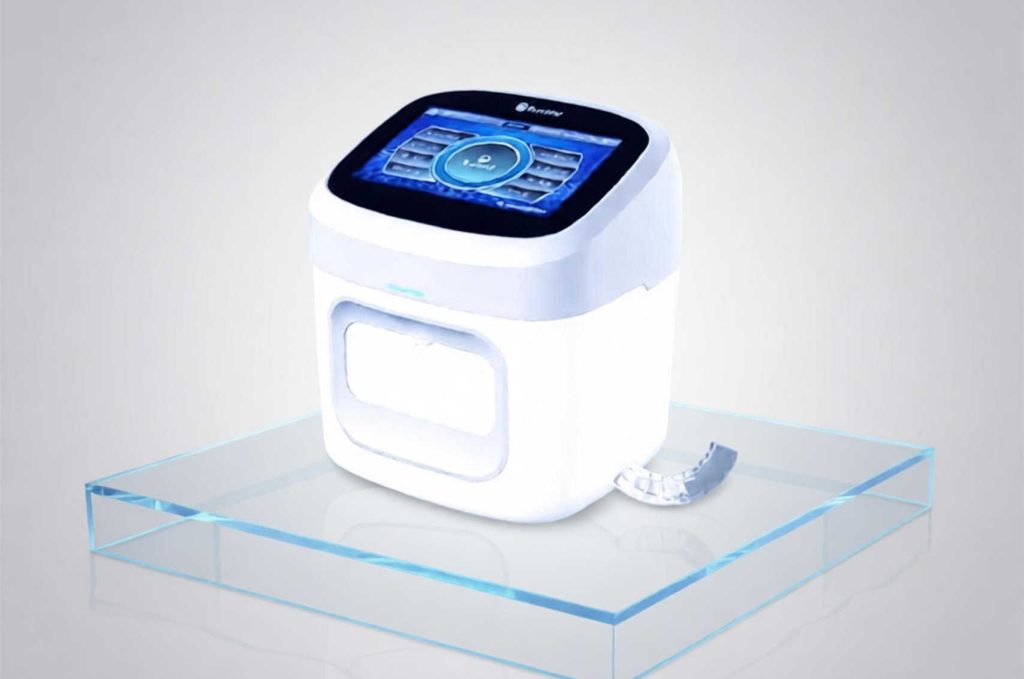
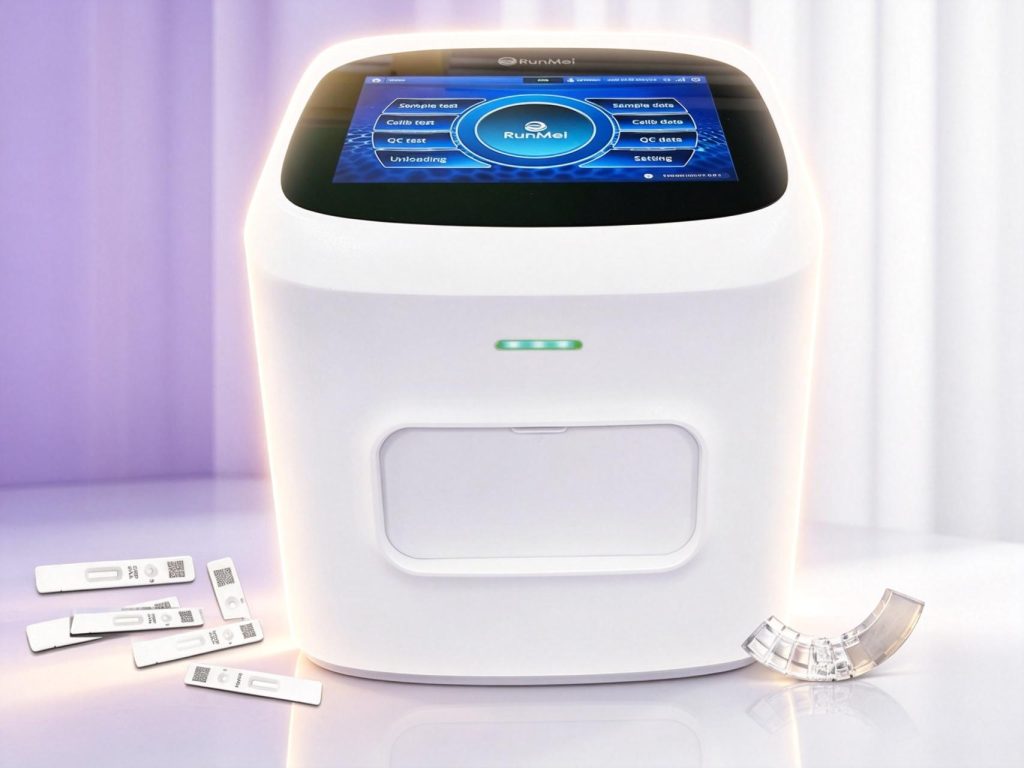
Figure 1: An on-site analyzer measures the sample within minutes of collection, before time and heat can alter it.
Image title: Hematology analyzer measuring a fresh CBC on site in a remote clinic | Alt text (web): hematology analyzer for on-site CBC testing in remote settings and sample stability
Structured data: ImageObject schema for this image is provided in the Technical SEO & GEO Package below.
Why On-Site Testing Removes the Fragile Link
If the analyzer sits where the sample is drawn, the stability window is never stressed. The blood is measured within minutes of collection, at ambient temperature, before time and heat can act. The result reflects the patient, not the journey. This is why taking CBC testing to the village with mobile analyzers has become the preferred model rather than building long courier chains.
Funding programs increasingly understand this. funding models for rural diagnostic equipment show that investment in on-site devices avoids the hidden cost of repeated failed samples and wasted patient visits.
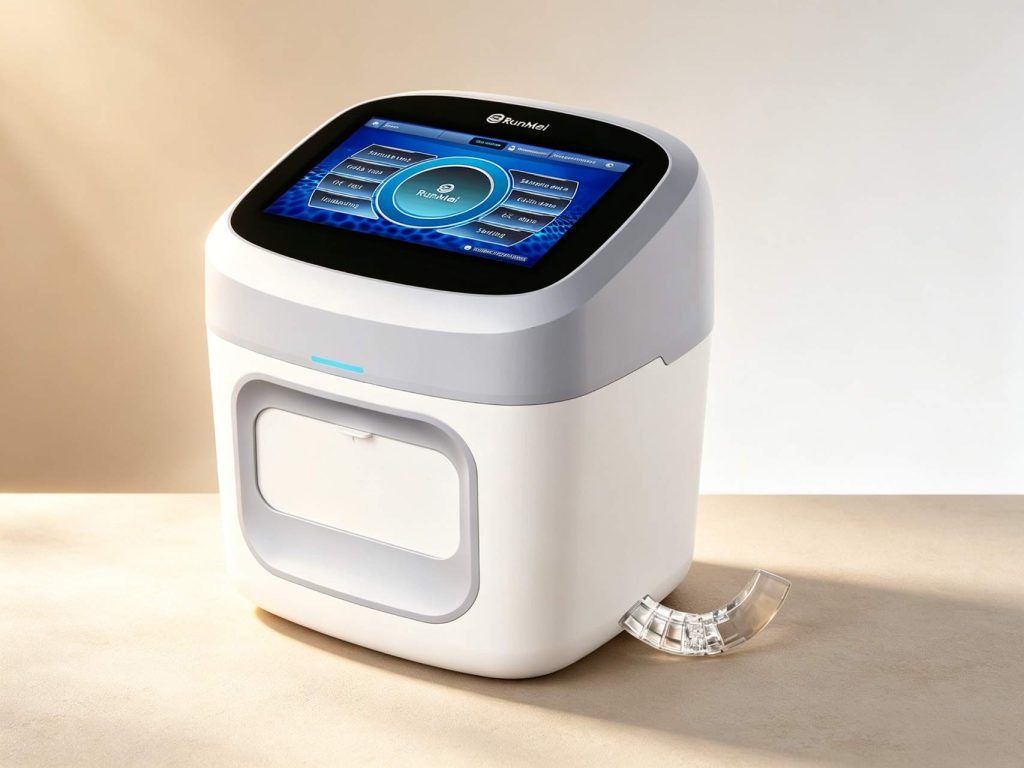
Figure 2: A portable analyzer removes the fragile transport step by testing blood at the point of care.
Image title: Portable multi-function analyzer eliminating specimen transport in outreach | Alt text (web): portable hematology analyzer for point-of-care CBC testing without specimen transport
Structured data: ImageObject schema for this image is provided in the Technical SEO & GEO Package below.
Evaluating Analyzers for Remote Settings
A technology review for remote settings asks different questions than a hospital purchase. Does the device tolerate heat and unstable power? Does it run on a finger-prick sample? Are reagents stable without a cold chain? training and maintenance for rural blood analyzers is decisive: a device no local person can service is a paperweight within a year. For connected sites, telehealth and remote blood diagnostics add value by transmitting the same-day result onward.
Regulatory due diligence still applies. In the United States, confirm a device’s clearance in the FDA’s 510(k) premarket notification database, and match the instrument to the volume and workload. The best remote analyzer is the one that stays in daily use, not the one with the largest specification sheet.
The Operational Verdict
Our verdict is clear: for remote settings, the transport model is a technical dead end. Time and temperature act on every sample, and preanalytical error is not fully controllable in a courier chain. On-site CBC testing, by contrast, measures the patient before the sample degrades — which is exactly what WHO’s overview of primary health care calls essential first-level care.
This matters most in chronic and anemic conditions, where trends decide treatment. As a New England Journal of Medicine review of anemia of chronic disease explains, distinguishing stable anemia from worsening disease depends on reliable, comparable serial counts — impossible when every number was altered on the road. The remote clinic that buys an on-site analyzer buys result integrity itself.
الأسئلة المتداولة
How long is an EDTA blood sample stable for a CBC?
Stability depends on the analyte and temperature, but most CBC parameters are most reliable when analyzed promptly, within a short window after collection. Delay and heat progressively alter cell counts, which is why remote transport is unreliable.
Does refrigeration solve remote sample transport?
Cooling slows degradation but adds equipment, breaks cold chains, and does not remove the need for prompt analysis. It reduces but does not eliminate preanalytical error, which is why on-site testing is preferred.
What is a preanalytical error?
It is an error introduced before the sample reaches the analyzer — during collection, storage, transport or handling. In remote settings these errors are the dominant cause of unreliable CBC results.
Can on-site analyzers match a reference laboratory?
Modern compact analyzers are highly repeatable for a CBC, and a fresh on-site result often outperforms a transported specimen. Reliability still requires training, daily quality control and proper maintenance, and reference ranges should be confirmed for the local population.
Conclusion
The countdown ends where it began: time, heat and the preanalytical chain are the enemies of remote CBC testing. No courier, cooler or protocol fully neutralizes them. Every hour on the road is an hour the sample spends drifting away from the patient.
The robust answer is to measure the blood where it is drawn, on the day and at the bedside. On-site CBC testing in remote settings removes the fragile link entirely, returns results that reflect the patient, and gives clinicians numbers they can actually treat on.
Disclaimer
This article is provided for general informational and educational purposes only and does not constitute medical advice, diagnosis, or treatment. Laboratory testing must be performed by trained personnel in accordance with applicable regulations, manufacturer instructions and local law. Always consult a qualified healthcare professional for clinical decisions. Product names and capabilities described may vary by market and regulatory clearance. RunMei Health does not warrant that any device is suitable for a specific facility or jurisdiction without professional evaluation.