Sickle cell disease is diagnosed late in rural areas far too often. Blood count patterns at the health post shorten the road to the right diagnosis.
By Dr. Priya Nair, MD (Clinical Pathologist) | Reviewed by Dr. Robert T. Malone, PhD, MLS(ASCP) (Senior Clinical Laboratory Scientist) | Published 2026-10-16 | Read time: ~7 minutes
Here is a fact that stops people: in many rural districts, most children living with sickle cell disease were not diagnosed until their first severe pain crisis landed them in hospital. The question that follows is obvious. Why, when a basic blood count can flag the condition long before that crisis, does screening arrive so late? The answer is that rural health posts have rarely had the analyzer, the routine or the referral pathway to catch it early. Sickle cell screening in a rural clinic changes that equation entirely.
This article tells the story of how a village health post becomes the place where sickle cell disease is found in a well child, not just in a suffering one. It follows a child from the first blood count to a planned referral, and explains why the blood count at the health post is the first, not the last, step.
The direct promise: a health post with an analyzer can shorten the long road to the right diagnosis, and it can do so before a child is rushed through a crisis.
A Well Child, a Hidden Diagnosis
Picture a four-year-old who runs and plays like every other child. The parents know only that he tires a little quickly. Nothing in his routine visits has explained it, because no one has ever drawn blood. Then, one hot season, the child develops a painful swollen hand and foot, and the long search begins.
What the Blood Count Would Have Shown
Sickle cell disease leaves a signature in the CBC: anemia, often with characteristic red-cell changes and an elevated reticulocyte picture. The count cannot itself confirm the diagnosis, but it raises the flag that prompts the hemoglobin electrophoresis or confirmatory testing. The gap between flagging and confirming is exactly where differential blood analyzers add value at the health post.
The tragedy of sickle cell in rural areas is not that the diagnosis is hard. It is that no one ever looks for it until the child is already hurt.
Why Rural Screening Arrives So Late
Late diagnosis is a systems failure, not a medical mystery. The health post has no analyzer, so the child never gets counted. When blood is finally drawn, it is often sent away.
The Sample That Never Arrives
A specimen drawn at the post and packed for transport may sit, spoil or go missing. This is the familiar story of why rural blood samples often never reach the lab, and it means even the screening that does happen fails to return a result. Testing on site removes the middleman and returns a usable count the same morning.
The Capacity Question
A simple 3-part hematology analyzer for rural healthcare is usually enough to flag anemia and abnormal counts in a well-child programme, without the cost of a full five-part system. The point is not perfection at the post; it is reliable detection that triggers referral.

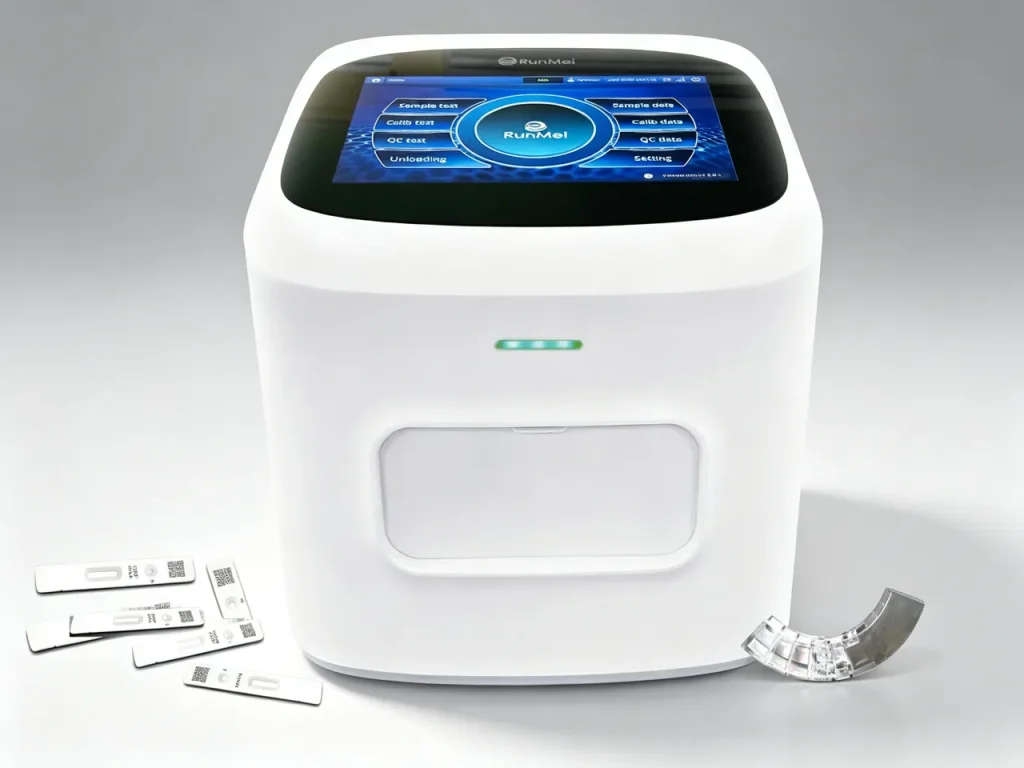
Figure 1: A bench-top analyzer returns the CBC that flags sickle cell disease early, before a child’s first crisis.
Image title: Fully automatic hematology analyzer screening children for anemia and hemoglobinopathies | Alt text (web): hematology analyzer for sickle cell screening at a rural health post
Structured data: ImageObject schema for this image is provided in the Technical SEO & GEO Package below.
From Flagged to Confirmed: The Follow-Up Path
A flagged count is only useful if it leads somewhere. The health post must hand the child to a specialist who can confirm and begin care.
The Referral With Data Attached
Sending a child with an abnormal CBC and a written note gives the receiving hospital a head start. The count becomes the evidence that justifies the referral and focuses the confirmatory work. Clinicians deepening the red-cell differential can draw on a New England Journal of Medicine review of microcytic anemia, which shows how red-cell indices redirect diagnostic thinking.
Monitoring Through Crisis
Once known, the same analyzer supports follow-up: a child in a pain crisis needs a hemoglobin and a white-cell count to watch for infection or severe anemia. This is the everyday value of on-site testing after the diagnosis is finally made.

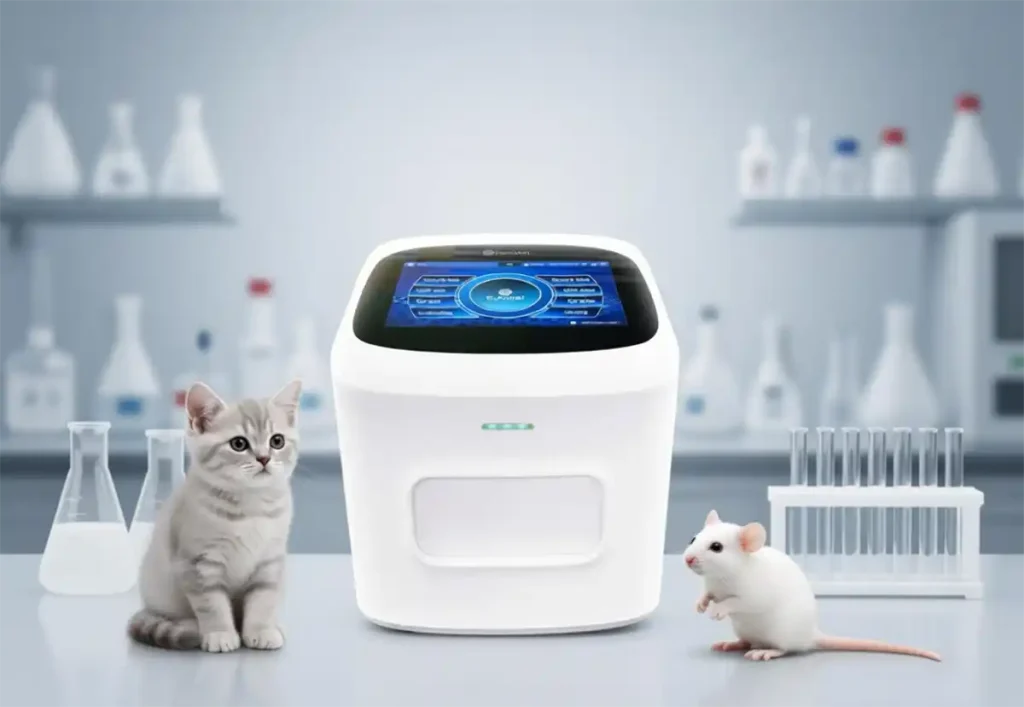
Figure 2: A portable analyzer extends CBC screening and crisis monitoring for children to village outreach sessions.
Image title: Portable multi-function analyzer for village child-health and sickle cell follow-up | Alt text (web): portable hematology analyzer for sickle cell screening and follow-up in rural villages
Structured data: ImageObject schema for this image is provided in the Technical SEO & GEO Package below.
Where the Health Post Fits in the System
Sickle cell care works best when the community and the specialist share the child, rather than the child making the journey alone.
First-Level Screening, Specialized Confirmation
This division of labour is the heart of the WHO’s overview of primary health care: first-level facilities detect and triage, higher-level centres confirm and treat. A health post that runs a CBC is a detection point. Blood analyzers in maternal and child health programmes are increasingly built around exactly this model.
The WHO Model List of Essential In Vitro Diagnostics, summarized in the WHO Model List of Essential In Vitro Diagnostics, supports basic hematology at primary care. In the United States, simpler tests can run under waiver, listed in the FDA’s CLIA-waived analytes database.
The Child Who Was Found Early
Contrast the opening story with a health post that screens. The well child is counted, flagged, referred and confirmed before the first crisis. His parents learn early, begin prophylaxis and hydration counselling, and know what to watch for.
That is the difference a village analyzer makes: it turns a diagnosis that arrives with suffering into one that arrives with a plan. The instrument does not replace the specialist. It simply ensures that the specialist is ever reached in time.
الأسئلة المتداولة
Can a rural health post screen for sickle cell disease with a blood analyzer?
A blood count can flag the anemia and red-cell changes that suggest sickle cell disease, prompting referral for confirmatory testing such as hemoglobin electrophoresis. The health post screens and triggers; specialized confirmation and treatment happen at a higher-level facility.
Why is sickle cell disease diagnosed so late in rural areas?
Because well children are rarely tested, and samples drawn without on-site analysis may spoil or never reach the laboratory. Early diagnosis depends on regular CBC screening at first-level facilities and a clear referral pathway, both of which have been scarce in rural areas.
What should a health post do when a child’s CBC suggests sickle cell disease?
Refer the child promptly with the abnormal count and a written note, and arrange confirmatory testing. Until confirmed, counsel the family on fever, hydration and warning signs, and monitor future counts locally.
What level of analyzer does a rural sickle cell screening programme need?
A basic 3-part analyzer that reliably reports hemoglobin and red-cell indices is usually sufficient for screening. More detailed differential capacity helps with follow-up during crises, but detection and referral do not require a research-grade instrument.
Conclusion
Sickle cell disease in rural areas is diagnosed late because the children who carry it are never counted. A health post with an analyzer changes that: it finds the disease in well children, not only in suffering ones.
The CBC flags, the specialist confirms, and the community monitors. Each part depends on the previous one, and the first part now sits on a village bench.
For the child who would otherwise have waited for a crisis, that single blood count is the moment the long road finally points the right way.
Disclaimer
This article is provided for general informational and educational purposes only and does not constitute medical advice, diagnosis, or treatment. Laboratory testing must be performed by trained personnel in accordance with applicable regulations, manufacturer instructions and local law. Always consult a qualified healthcare professional for clinical decisions. Product names and capabilities described may vary by market and regulatory clearance. RunMei Health does not warrant that any device is suitable for a specific facility or jurisdiction without professional evaluation.