The purchase price is only the first line of a budget that includes reagents, training, maintenance, power and quality control.
By Dr. Grace Mwangi, MBChB, MPH (Global Health Program Lead) | Reviewed by Dr. Angela Reyes, MD, MPH (Infectious Disease Physician) | Published 2026-10-13 | Read time: ~7 minutes
Consider Amina, a 34-year-old woman from a farming community, admitted to her small community hospital with heavy fatigue. The team suspected anemia, but without an on-site hematology analyzer they waited three days for a reference result. By the time it arrived, she had already spent money on travel and a lost day of work. This vignette frames the real question: what does a hematology analyzer cost a community hospital – and what does its absence cost the patient?
Procurement teams almost always price the machine and forget the rest. The true cost of a hematology analyzer for a small community hospital is a running budget that includes reagents, quality control, training, power, service and the people who run it. This interview-style guide unpacks each line.
The answer, in short: the purchase price is typically a minority of the first-year cost, and per-test economics only work when the device is used steadily and maintained. Ignoring the full budget is how clinics end up with an idle machine.
A Case That Shows the Real Question
Amina’s case is not unusual. The cost of delayed diagnosis falls on the patient – travel, lost income, worry – and on the hospital in repeat visits and referrals. Counting only the invoice price misses both sides of the ledger.
What a Day of Waiting Actually Costs
A three-day turnaround means an extra day of uncertainty, a trip to town, and a clinician treating without data. Multiply that across every anemic pregnant woman, feverish child and chronic patient in a year, and the absence of testing becomes expensive in human and financial terms.
Patients absorb much of this cost invisibly: bus fares, a meal skipped, wages lost for a day they cannot afford. A hospital that counts only its own expenses never sees this bill, but it is the strongest argument for bringing testing in-house.
The Purchase Price Is Only the Start
The instrument purchase is the first line, not the whole budget. Clinics should expect to spend on installation, any required laboratory furniture, and a buffer of initial reagents before the first patient is even tested.
Looking Past the Invoice
A cheaper device that needs expensive proprietary reagents or frequent service can cost more over five years than a pricier but efficient model. Total cost of ownership, not sticker price, is the number to plan around – especially in hospitals balancing tight public budgets and donor expectations.
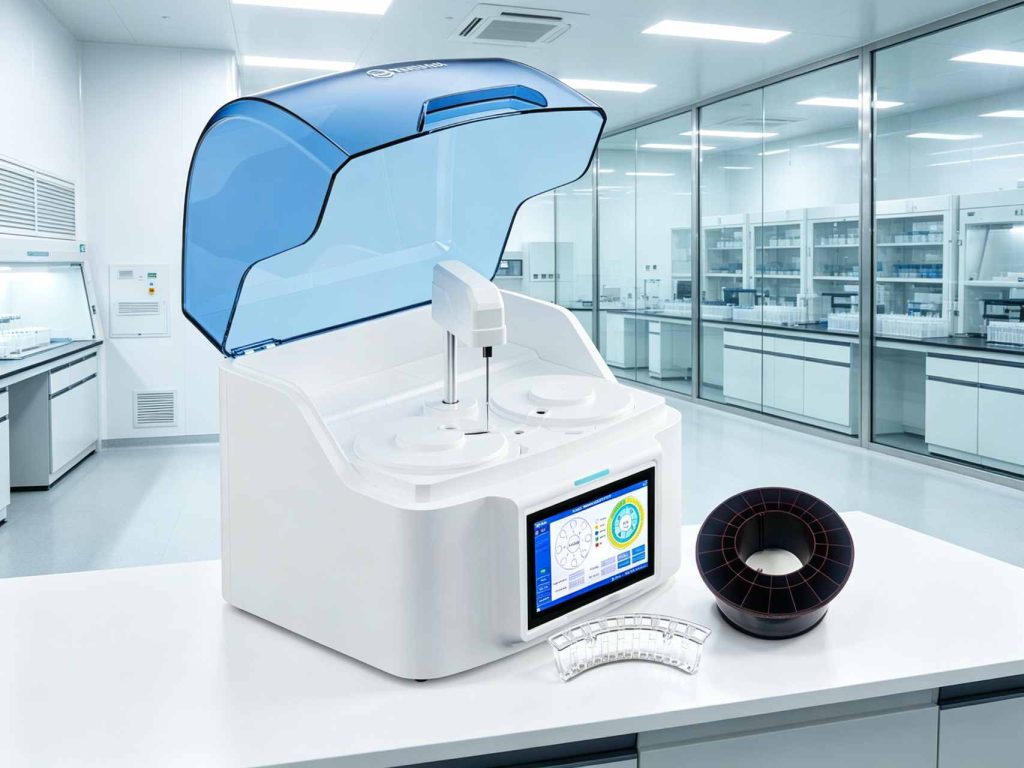
Figure 1: An on-site hematology analyzer lets a small community hospital turn waiting into same-day results.
Image title: Hematology analyzer on a community hospital laboratory bench | Alt text (web): hematology analyzer cost and use in a small community hospital lab
Structured data: ImageObject schema for this image is provided in the Technical SEO & GEO Package below.
Reagents, Controls and the Per-Test Budget
Running costs are dominated by reagents and quality-control materials. Every sample consumes diluent, lysing agent and stain; every day of testing consumes control solutions that verify the instrument is trustworthy.
The Per-Test Math
Per-test reagent cost is modest, but it scales with volume, and fixed daily control costs make very low volume expensive per test. This is why a device that fits realistic caseload – neither too big nor too small – protects the budget. The anemia burden in WHO’s anaemia fact sheet underscores how much screening volume a rural hospital can expect.
Many hospitals underprice their internal tests because they forget the fixed costs. A useful budgeting exercise is to divide the monthly reagent, control and service spend by the number of samples actually run. The result often surprises teams who assumed testing was nearly free.

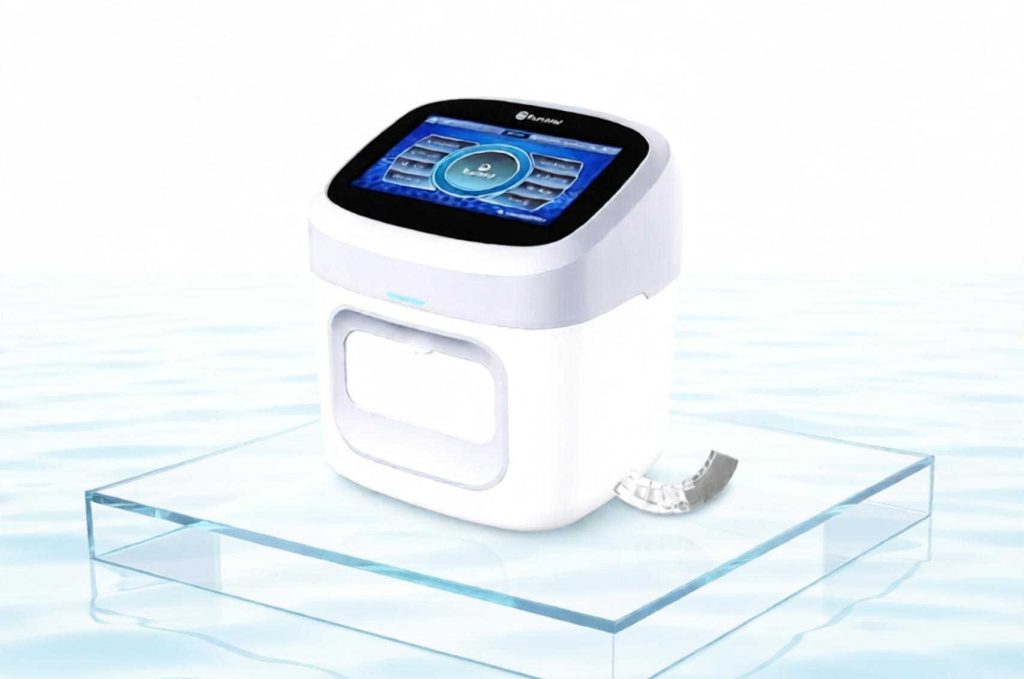
Figure 2: A portable analyzer extends a community hospital’s CBC testing to outreach and satellite clinics.
Image title: Portable analyzer extending community hospital reach | Alt text (web): portable hematology analyzer for community hospital outreach testing
Structured data: ImageObject schema for this image is provided in the Technical SEO & GEO Package below.
People, Power and Service: The Quiet Costs
The quiet costs are people, power and service. Staff time for operation and quality control, battery or solar power for unstable grids, and a planned service contract all belong in the budget.
Underestimating staff time is the most common hidden cost. A dedicated operator’s salary, or the diverted time of a nurse, must be accounted for; an analyzer that nobody has time to run earns nothing, however efficient its reagents.
Costs That Hide Until Later
Training a backup operator, a maintenance kit, and a reachable vendor are easy to omit from a purchase order and hard to recover later. For off-grid sites, solar-powered blood analyzer designs shift the power line item; for outbreak settings, the same platform supports platelet monitoring during dengue outbreaks و blood counts in tuberculosis screening. The foundational role of these capabilities is reflected in the WHO overview of primary health care.
Calculating What It Actually Earns
A balanced budget also counts what the analyzer earns: revenue captured locally, fewer lost referrals, shorter stays and earlier treatment. A cost center becomes an asset when it is used steadily.
From Cost Center to Asset
When a hospital takes CBC testing in-house, it stops paying reference laboratories and starts keeping that revenue, while improving decisions. As discussed in a New England Journal of Medicine review of microcytic anemia, timely counts improve diagnosis. Confirm a device’s regulatory category in the FDA’s CLIA-waived analytes database, and consider extending reach by taking CBC testing to the village with mobile analyzers.
الأسئلة المتداولة
What is the total cost of ownership of a community-hospital hematology analyzer?
It includes the purchase price plus installation, reagents and controls per test, staff time, training, power or solar, maintenance, service and spare parts. The instrument is often only a fraction of the multi-year total, so plan the full running budget rather than the invoice alone.
How much does each CBC test cost in reagents?
Per-test reagent cost is usually modest, but daily fixed quality-control costs make very low-volume testing expensive per sample. Volume, reagent pack size and control frequency all drive the real per-test figure, which should be calculated for your actual caseload.
Are cheaper analyzers false economies?
Often, yes. A low purchase price that comes with expensive proprietary reagents, fragile service or high power use can cost more over five years than a pricier efficient model. Evaluate total cost of ownership and vendor support, not the sticker price alone.
How does a hospital budget for unexpected failures?
Keep a maintenance reserve, a simple service contract or reachable vendor contact, and stock common consumables. For off-grid sites, a battery or solar buffer prevents power-related downtime. Planning for failures is cheaper than reacting to them after the machine idles.
Conclusion
The true cost of a community-hospital hematology analyzer is the sum of a running system – reagents, people, power and service – not the single invoice on purchase day.
Hospitals that budget the full cost and use the device steadily earn it back in captured revenue, better decisions and fewer days like Amina’s. Price the machine wisely, plan the years after, and it becomes an asset rather than an expense. The clinics that thrive are the ones that treat the purchase as the beginning of a budget, not the end of it.
Disclaimer
This article is provided for general informational and educational purposes only and does not constitute medical advice, diagnosis, or treatment. Laboratory testing must be performed by trained personnel in accordance with applicable regulations, manufacturer instructions and local law. Always consult a qualified healthcare professional for clinical decisions. Product names and capabilities described may vary by market and regulatory clearance. RunMei Health does not warrant that any device is suitable for a specific facility or jurisdiction without professional evaluation.