The treatment is finished — but the monitoring continues. CBC follow-up in rural care catches relapse, toxicity and recovery before they turn critical.
By Dr. Emily Hartley, MD, MPH (Rural Family Physician & Public Health Researcher) | Reviewed by Dr. Carlos Mendes, MD (Public Health Systems Specialist) | Published 2026-10-23 | Read time: ~7 minutes
Health systems guidance keeps emphasizing that patients must stay connected to care after treatment ends — yet in many rural clinics, follow-up laboratories remain the broken link. This news hook matters because treatment is only the first half of care: CBC follow-up post treatment is where relapse, drug toxicity and incomplete recovery are actually detected. Without it, the patient who walked out better can quietly return, unmonitored, months later.
This retrospective draws on several rural clinic cases to share the lessons we learned about post-treatment monitoring. We look at what went wrong when follow-up labs were skipped, what a CBC reveals after treatment, and how to build a simple follow-up routine that works for patients who cannot travel, including those who must return for repeat counts.
The News: Treatment Ends, Monitoring Continues
Across public health, the emphasis has shifted toward continuity of care: completing treatment is not success if the patient then relapses unreviewed. Rural clinics sit at the hard edge of this, because follow-up often requires a journey patients cannot make. The CBC is the practical tool that brings monitoring back to the village, close to the patient right now.
A post-treatment blood count checks recovery: is the anemia resolving? Are the cell counts returning to normal? Did treatment cause any toxicity? These questions are impossible to answer from how the patient feels alone.
Rural clinics face a specific barrier here: the follow-up visit itself is hard for patients who must travel, pay for transport, or leave work. A patient who has already completed treatment often does not return simply for a lab test. Running the CBC on site removes that barrier and makes the follow-up realistic rather than theoretical.
Lesson One: The Patient Who Disappeared After Treatment
Our case involved a man treated for a feverish illness who felt well and did not return. Months later he came back exhausted — and a CBC showed a relapse that a single follow-up count would have flagged weeks earlier. The lesson is that relapse detection blood count testing belongs in the plan, not as an afterthought. This is the same logic behind platelet monitoring during dengue outbreaks و the role of blood counts in TB screening, where serial counts track recovery.
Follow-Up as a Planned Step
We now book the follow-up CBC before the patient leaves, at the time of treatment. For children especially, CBC testing for malaria and anemia in children shows how a post-treatment count confirms the anemia has lifted rather than assuming it.
The patient who feels cured is not the same as the patient whose counts have normalized. Follow-up CBC closes that gap.
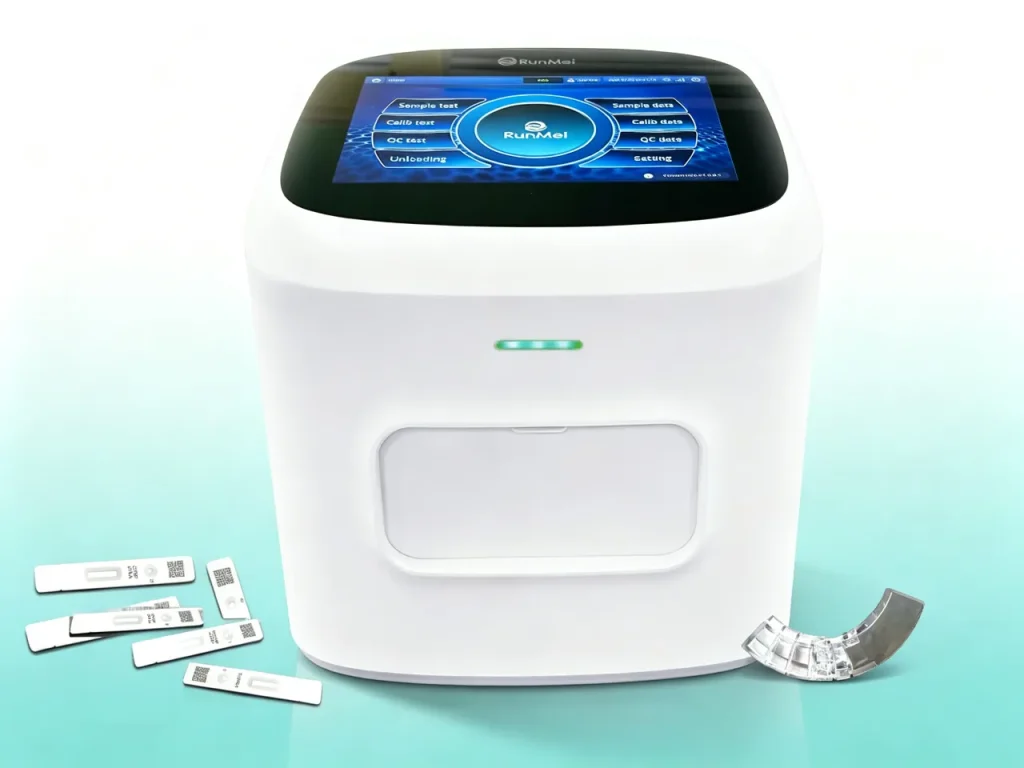
Figure 1: An on-site analyzer runs the follow-up count that confirms recovery after treatment.
Image title: Hematology analyzer for post-treatment CBC follow-up in a rural clinic | Alt text (web): hematology analyzer for post-treatment CBC follow-up in rural care
Structured data: ImageObject schema for this image is provided in the Technical SEO & GEO Package below.
Lesson Two: Toxicity the Follow-Up CBC Would Have Caught
Some treatments affect the blood itself. Drugs used for infections, long-term conditions and chemotherapy can lower white cells, platelets or hemoglobin over time. Without a follow-up CBC, toxicity appears as a new illness rather than a known side effect. CBC monitoring in rural HIV care is built on exactly this principle: serial counts watch treatment-related blood changes so clinicians can adjust before the patient is harmed.
Chemotherapy follow-up CBC is the clearest example, but the lesson is broader: any patient on treatment with blood effects needs a planned count. The rural clinic that runs these on site catches the toxicity early, when it is manageable, instead of treating a crisis later.

Figure 2: A portable analyzer brings repeat post-treatment counts to patients who cannot travel.
Image title: Portable multi-function analyzer for remote recovery monitoring | Alt text (web): portable hematology analyzer for post-treatment follow-up and recovery monitoring
Structured data: ImageObject schema for this image is provided in the Technical SEO & GEO Package below.
Lesson Three: Recovery Is a Number, Not a Feeling
Patients declare themselves recovered when symptoms fade, but recovery has a measurable form. Hemoglobin should climb toward normal, cell counts should stabilize. As a New England Journal of Medicine review of microcytic anemia explains, a red-cell index shows whether iron-deficiency anemia is actually responding. WHO’s anaemia fact sheet reminds us that untreated anemia is common and persistent, so confirming recovery matters.
Recovery monitoring clinic visits become meaningful when they include a count. The patient sees the hemoglobin rise; the clinician knows the treatment worked. This shared evidence is far more motivating than a vague ‘come back if you feel worse.’
It also protects against undertreatment. A patient whose anemia has not improved after a course of iron may have an underlying cause that needs investigation rather than more of the same. The follow-up CBC turns a one-time treatment into a loop that closes when recovery is actually confirmed.
Building a Follow-Up CBC Routine
The lessons translate into a simple routine: schedule the follow-up count at treatment time, run it on site, and compare it to the baseline. In the United States, the FDA’s CLIA-waived analytes database clarifies which simple tests clinics may run, and the WHO Model List of Essential In Vitro Diagnostics places basic hematology at first-level care for exactly this kind of monitoring.
The retrospective is clear: patients who skip follow-up labs are not cured — they are unmeasured. A post-treatment CBC in the rural clinic converts an assumption of recovery into evidence, and catches the relapse, toxicity or slow recovery that would otherwise wait for a crisis. With scheduling, on-site testing and a baseline comparison, it becomes a routine rather than an aspiration.
الأسئلة المتداولة
Why is a follow-up CBC needed after treatment?
It confirms recovery (such as rising hemoglobin), detects relapse, and flags treatment-related blood toxicity. Symptoms alone cannot show whether the counts have returned to normal, so the measured count is the evidence.
Which patients especially need post-treatment CBC monitoring?
Patients on treatments that affect blood counts, those recovering from anemia or infection, and anyone with a history of relapse. Serial counts track response and toxicity over time, rather than relying on a single result.
Can a rural clinic run follow-up CBCs without patients traveling?
Yes. An on-site analyzer lets the clinic run the follow-up count locally, compare it to the baseline, and keep the patient in care without a long journey to a reference laboratory that many cannot afford.
How often should post-treatment CBCs be repeated?
It depends on the condition and treatment, but counts are typically repeated until the relevant values normalize, then periodically. The treating clinician sets the schedule based on the patient’s individual risk.
Conclusion
Treatment is finished, but monitoring is not. The lessons from our cases are consistent: skipped follow-up labs hide relapse, miss toxicity and mistake feeling better for recovered.
A post-treatment CBC in the rural clinic closes that gap, turning recovery into evidence and keeping patients in care close to home. That is continuity of care — measured, on site, and complete for every patient who walks out better today.
Disclaimer
This article is provided for general informational and educational purposes only and does not constitute medical advice, diagnosis, or treatment. Laboratory testing must be performed by trained personnel in accordance with applicable regulations, manufacturer instructions and local law. Always consult a qualified healthcare professional for clinical decisions. Product names and capabilities described may vary by market and regulatory clearance. RunMei Health does not warrant that any device is suitable for a specific facility or jurisdiction without professional evaluation.