Automated complete blood counts turn the community hospital from a referral way-station into a diagnostic center in its own right.
By Dr. Samuel Okafor, MD (Community Medicine Physician) | Reviewed by Dr. Hana Yoshida, MD (Hematologist) | Published 2026-10-10 | Read time: ~7 minutes
A 62-year-old farmer walked into a mid-sized community hospital with fatigue, pale skin and shortness of breath on exertion. Until recently, her blood would have been drawn, couriered to a reference city and returned as a number seven days later. Now automated CBC testing in community hospitals like hers produces a complete blood count in about a minute, while she is still being examined.
That single shift – from waiting on transport to getting results in the room – reorganizes how a community hospital practices medicine. In-house CBC results let clinicians treat during the same visit, refer with data in hand, and monitor chronic disease without bouncing patients up a referral ladder. This guide explains what automated CBC testing actually delivers: clinically, operationally and financially.
The short answer is that a community hospital gains a diagnostic center, not just another machine. It can confirm anemia, recognize infection trends and catch the blood abnormalities of chronic disease on the day the patient presents – the capability that turns a way-station into the hub of local care.
What Changes When the CBC Moves In-House
A complete blood count measures red cells, white cells, hemoglobin and platelets, and in differential models it classifies white-cell subtypes. When that test leaves a distant reference lab and arrives on the hospital bench, turnaround time collapses from days to minutes. The sample is analyzed fresh, before cells age or platelets clump, which improves reliability compared with transported specimens.
From Sample Courier to Same-Day Results
The practical difference is the consultation itself. A clinician can review a hemoglobin level, inspect a differential and decide on antibiotics or referral before the patient stands up. Fewer repeat visits mean better attendance and less loss to follow-up, especially for patients who travel hours for care.
The best laboratory result is the one the clinician can act on before the patient leaves the chair.
Clinical Benefits: Anemia, Infection and Chronic Disease
A community hospital sees the conditions that drive rural morbidity, and the CBC touches nearly all of them. Anemia is the most obvious: WHO estimates that anemia affects a large share of children and pregnant women globally, as summarized in WHO’s anaemia fact sheet. Detecting it locally means iron therapy starts now rather than next month.
Reading the Same Blood Count for Different Illnesses
The white-cell differential helps separate bacterial from viral illness, platelet trends support dengue monitoring, and red-cell indices point toward iron deficiency or inherited traits. Reviews such as the New England Journal of Medicine review of anemia of chronic disease show how serial CBCs expose inflammation, hidden infection and treatment toxicity in long-term patients.
For chronic disease, the value is trends over time rather than any single number. A stable hemoglobin reassures; a falling hemoglobin signals a problem. This is why primary health care, described in the WHO overview of primary health care, increasingly expects basic hematology at the first level.

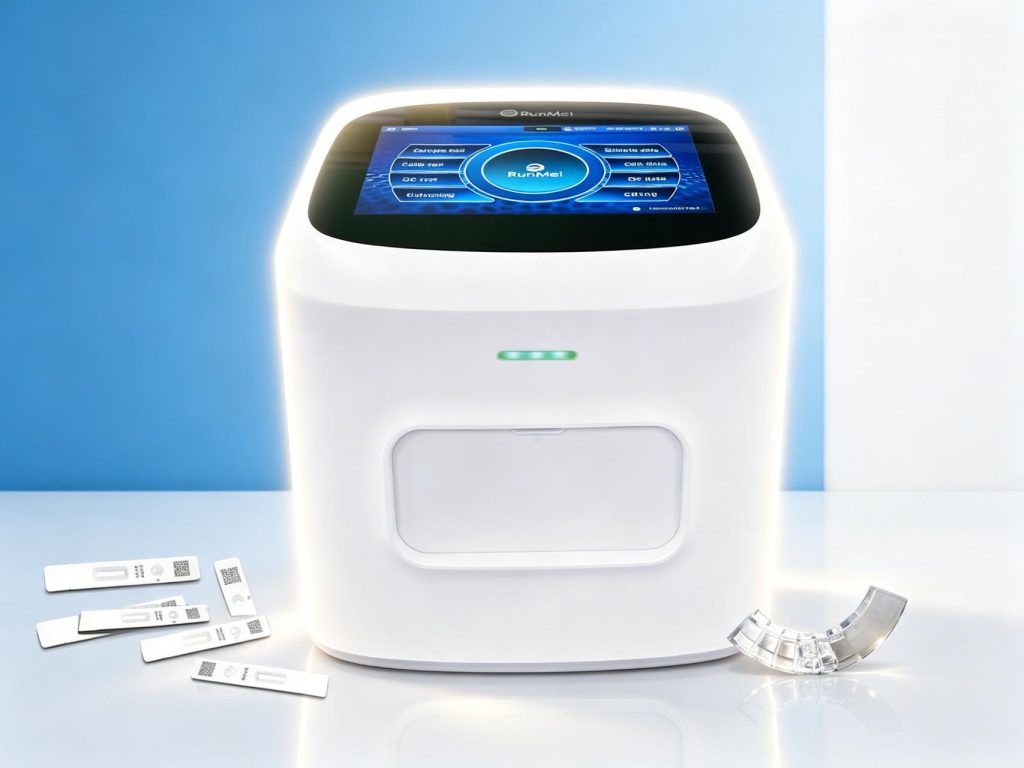
Figure 1: An automated hematology analyzer delivers in-house complete blood counts at a community hospital, turning same-day results into routine care.
Image title: Automated CBC analyzer on a community hospital laboratory bench | Alt text (web): automated hematology analyzer for community hospital CBC testing on a laboratory bench
Structured data: ImageObject schema for this image is provided in the Technical SEO & GEO Package below.
Operational Benefits: Throughput and Workflow
Automated analyzers compress what manual counting once demanded. A machine processes dozens of samples per hour with consistent precision, freeing nurses and technicians from microscopy and reducing the drift that creeps into hand counts. The workflow shortens into draw, load, review, act.
Training Staff Without a Full Laboratory
Modern benchtop systems are designed for operators with basic certification, guided by on-board prompts and daily quality control. Sustainable programs pair the device with ongoing training and maintenance for rural analyzers rather than assuming expertise appears on day one.
Results also feed upward. When the hospital refers a patient, the receiving specialist arrives with real numbers. Where distance makes travel impractical, telehealth-linked remote blood diagnostics let distant clinicians interpret local results together.

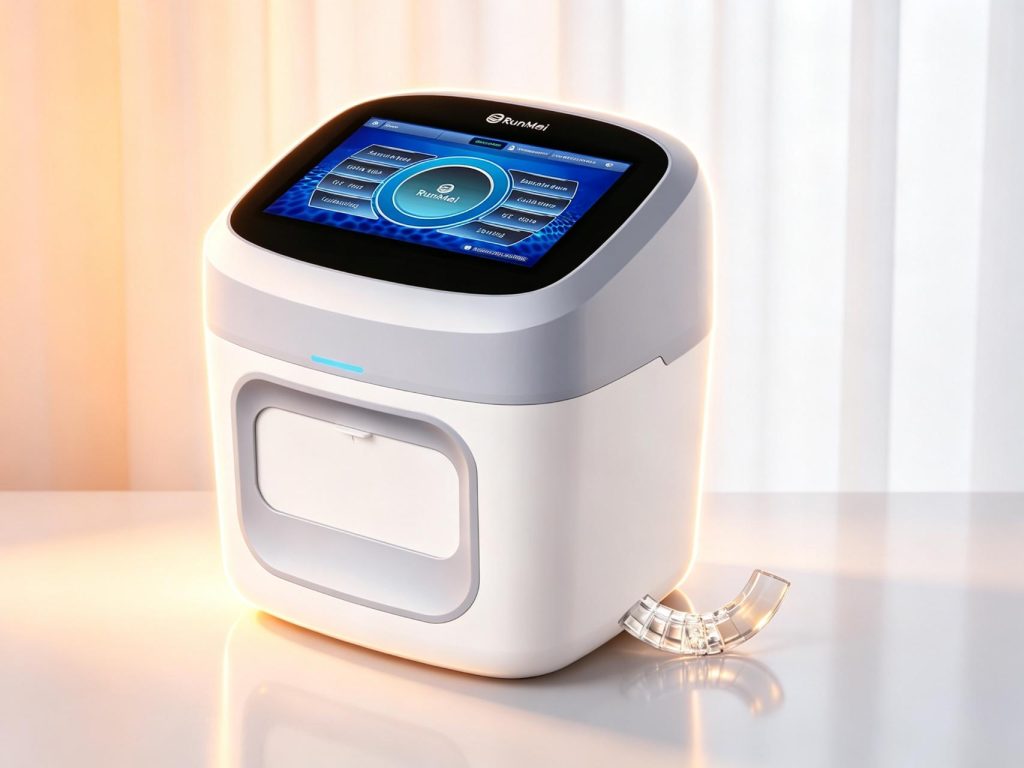
Figure 2: A portable analyzer extends community-hospital CBC testing to satellite clinics and village outreach sessions.
Image title: Portable multi-function analyzer supporting community hospital outreach | Alt text (web): portable hematology analyzer for community hospital outreach blood testing
Structured data: ImageObject schema for this image is provided in the Technical SEO & GEO Package below.
The Financial Case for the Community Hospital
A community hospital is a business as much as a clinic. On-site testing captures revenue that previously leaked to reference labs, reduces repeat transport costs and shortens length of stay. Procurement should plan the full budget – reagents, controls, service and power – rather than the purchase price alone.
Who Pays, and How Much
Funding models vary widely, and hospitals routinely weigh public grants, donor programs and internal cross-subsidies. A useful framework for how rural diagnostic equipment is funded helps teams match a device to a realistic budget. Per-test reagent cost is modest, but quality-control materials and calibration must be budgeted every month.
Regulatory, Training and Integration Essentials
In the United States, hematology devices reach market through the FDA’s 510(k) premarket notification database, which verifies substantial equivalence to already-cleared devices. Hospitals should confirm a device’s clearance and its CLIA complexity before purchase, because complexity dictates staffing and oversight rules.
Integration is the final step. The analyzer should fit existing data flow, accept the sample volumes the hospital actually sees, and be backed by vendor support for parts and response. Many networks extend the same capability outward by taking CBC testing directly to village patients through periodic mobile sessions.
الأسئلة المتداولة
What does automated CBC testing actually measure?
A hematology analyzer performs a complete blood count – red cells, hemoglobin, white cells and platelets – and, on differential models, classifies white-cell subtypes such as neutrophils and lymphocytes. This supports decisions about anemia, infection, inflammation and treatment monitoring.
Can a small community hospital run an analyzer without senior laboratory staff?
Yes, within limits. Compact automated analyzers are designed for operators with basic training, on-board guidance and daily quality control. Under the US CLIA framework, complexity determines staffing and oversight, so a hospital should confirm a device’s category and keep structured training and QC in place.
How reliable are in-house results compared with a reference laboratory?
Modern automated analyzers are highly reproducible, often more precise than manual counting. Reliability depends on fresh samples, daily QC and proper maintenance. Because on-site testing avoids transport-induced deterioration, a fresh local result can be more trustworthy than a specimen that traveled for hours.
How long does an automated CBC take in a community hospital?
Most benchtop analyzers return a complete blood count in roughly one minute from a few drops of blood, with turnaround dominated by sample collection and review. This is what allows clinicians to act during the same visit rather than scheduling a return trip.
Conclusion
The community hospital that adds automated CBC testing buys back its own judgment. Instead of guessing anemia, infection or bleeding risk, its clinicians see the numbers while the patient waits, and can plan treatment or referral in the same sitting rather than weeks later.
The clinical, operational and financial gains reinforce one another: better decisions, shorter visits, captured revenue and stronger referral ties. Patients stop being sent away for tests that never come back, and the hospital earns its role as the first place a family trusts. With sensible procurement, planned training and dependable support, the analyzer becomes the hub of local care it was always meant to be.
Disclaimer
This article is provided for general informational and educational purposes only and does not constitute medical advice, diagnosis, or treatment. Laboratory testing must be performed by trained personnel in accordance with applicable regulations, manufacturer instructions and local law. Always consult a qualified healthcare professional for clinical decisions. Product names and capabilities described may vary by market and regulatory clearance. RunMei Health does not warrant that any device is suitable for a specific facility or jurisdiction without professional evaluation.